

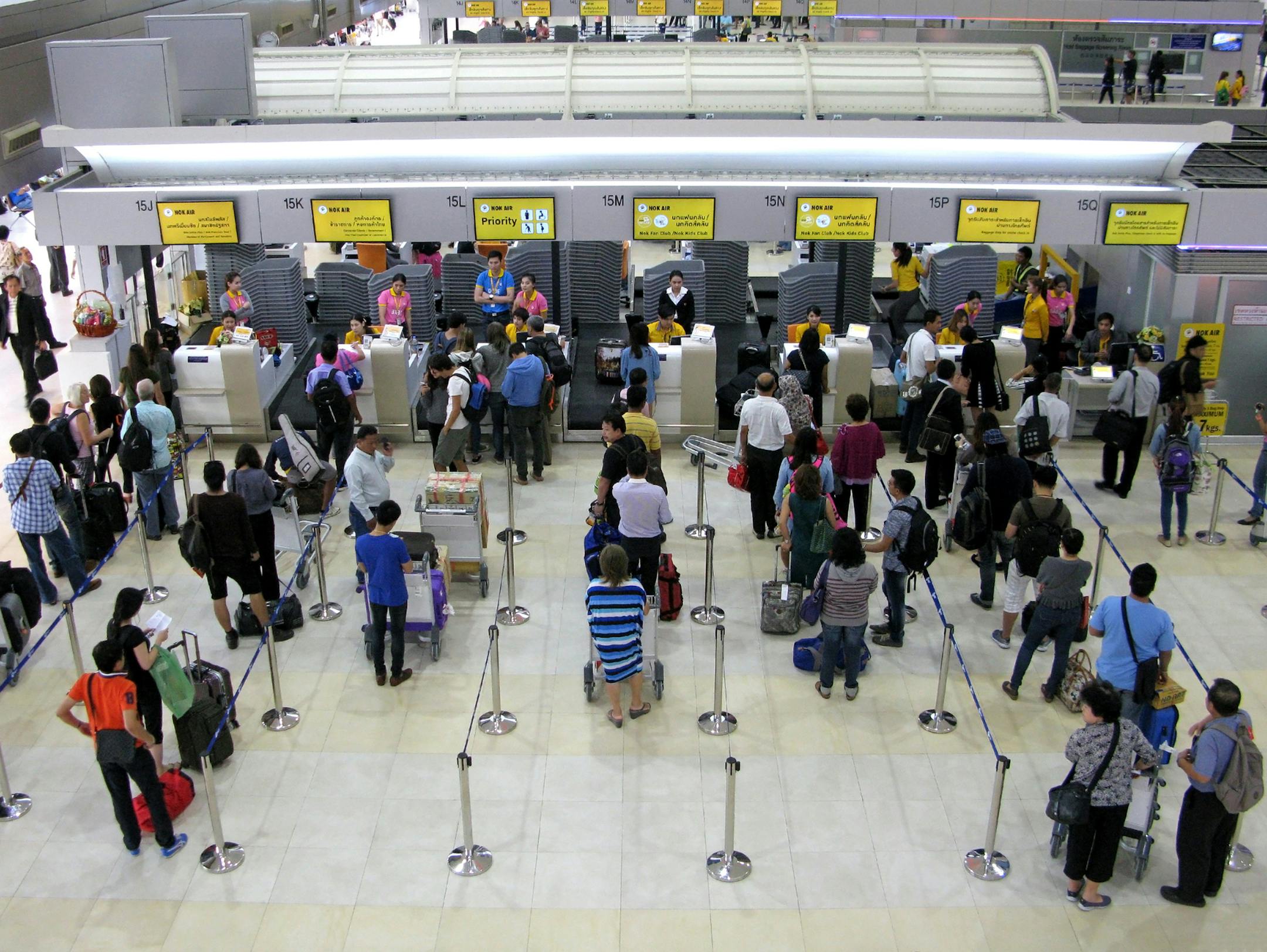
Everyone has faced the dilemma of the grocery line — scanning multiple checkout aisles before wheeling a cart into one, then staying grumpily in place even when a shorter line opens up.
Turns out, these aren't just quirks of Scandinavian stubbornness.
A new study by researchers at the University of Minnesota has found that people and animals alike are hard-wired to make choices this way. Published in the prestigious Science journal, the study showed that humans and mice are prone to "precommitment" decisionmaking, or delaying initial choices, perhaps for fear of regret. Then they experience the "sunk cost" effect, by which they stick with decisions even when better options come along.
Understanding these ingrained behaviors could affect everything from stock investing to medical treatments — maybe even grocery shopping.
"The right thing to do is get in line and then see if another line is moving faster" and switch, said David Redish, a U neuroscience professor who co-authored the study. "Nobody does that."
The researchers also found no relationship between the two decision stages — the length of precommitment deliberations did not affect whether people stuck with their decisions. People might take seconds or minutes deciding which restaurant to try in a food court. But once they choose, they won't switch even if someone walks by with a favorite food they want more.
In businesses, people who have invested millions in a project are likely to stick with it even when new opportunities appear to have a better payoff.
"It's only after you make this decision, you commit to your decision, that the sunk cost effect starts accruing," Redish said.


