On a dark winter's night decades ago, a group of 50 men gathered for a lecture inside a stately old St. Paul mansion.
The speech, which was about recovery from addiction, took an unexpected turn when there was a noise from beneath the dining room, followed by puffs of black smoke.
Suddenly, a floor tile burst open like a trap door, and a man with a soot-stained face popped out.
The man — who seemed as shocked and confused as those attending the lecture — looked around for a moment before disappearing into the caverns below. He was never seen again.
"We usually said: 'Myth or not myth?' " said Terri Hayden, executive director of Hazelden St. Paul, about the tale.
Turns out that it's true.
It's just one example of how caves beneath the old William Banholzer House — a structure that Hazelden has used since the 1950s — have affected life on the surface for decades.
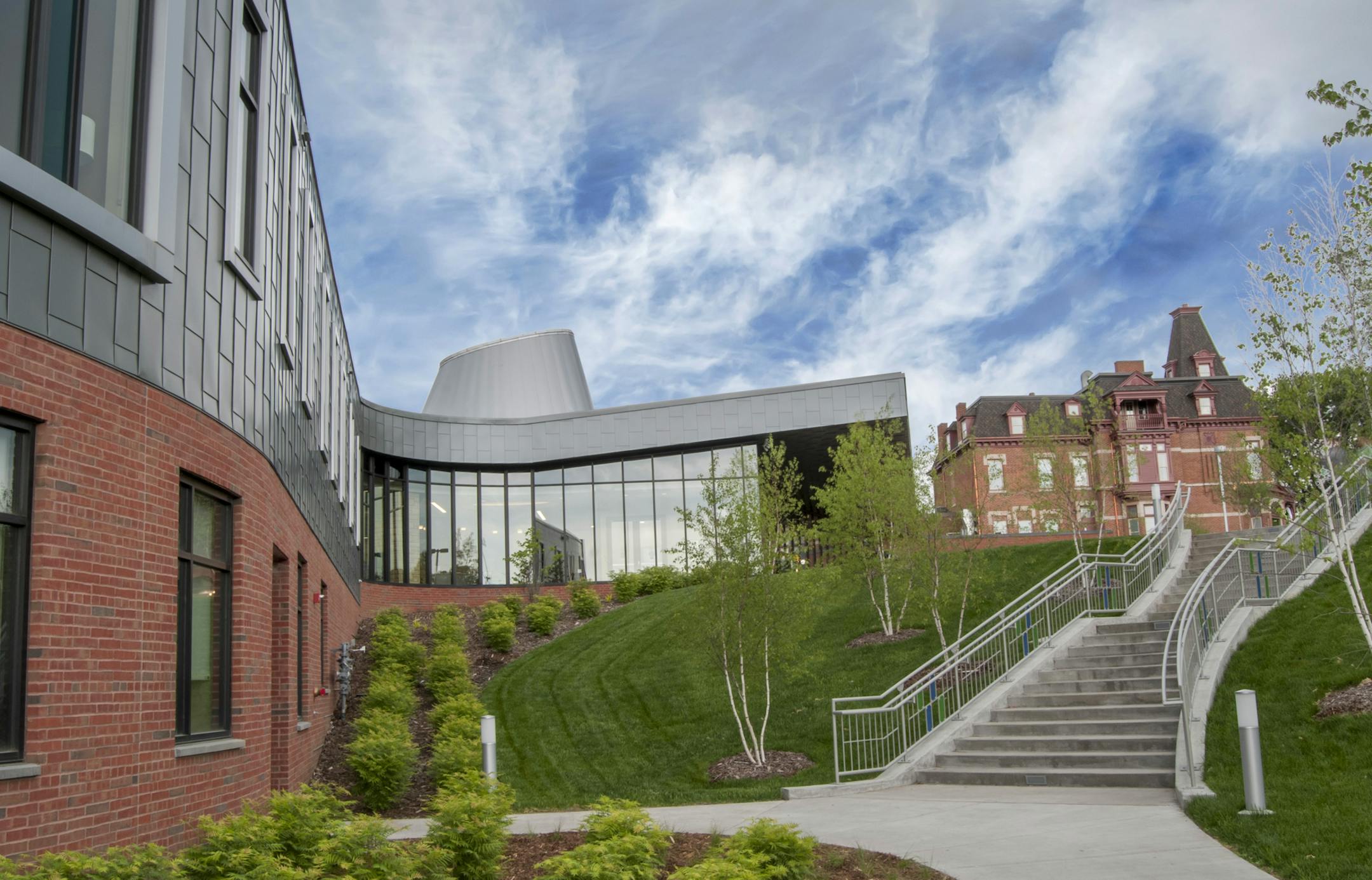
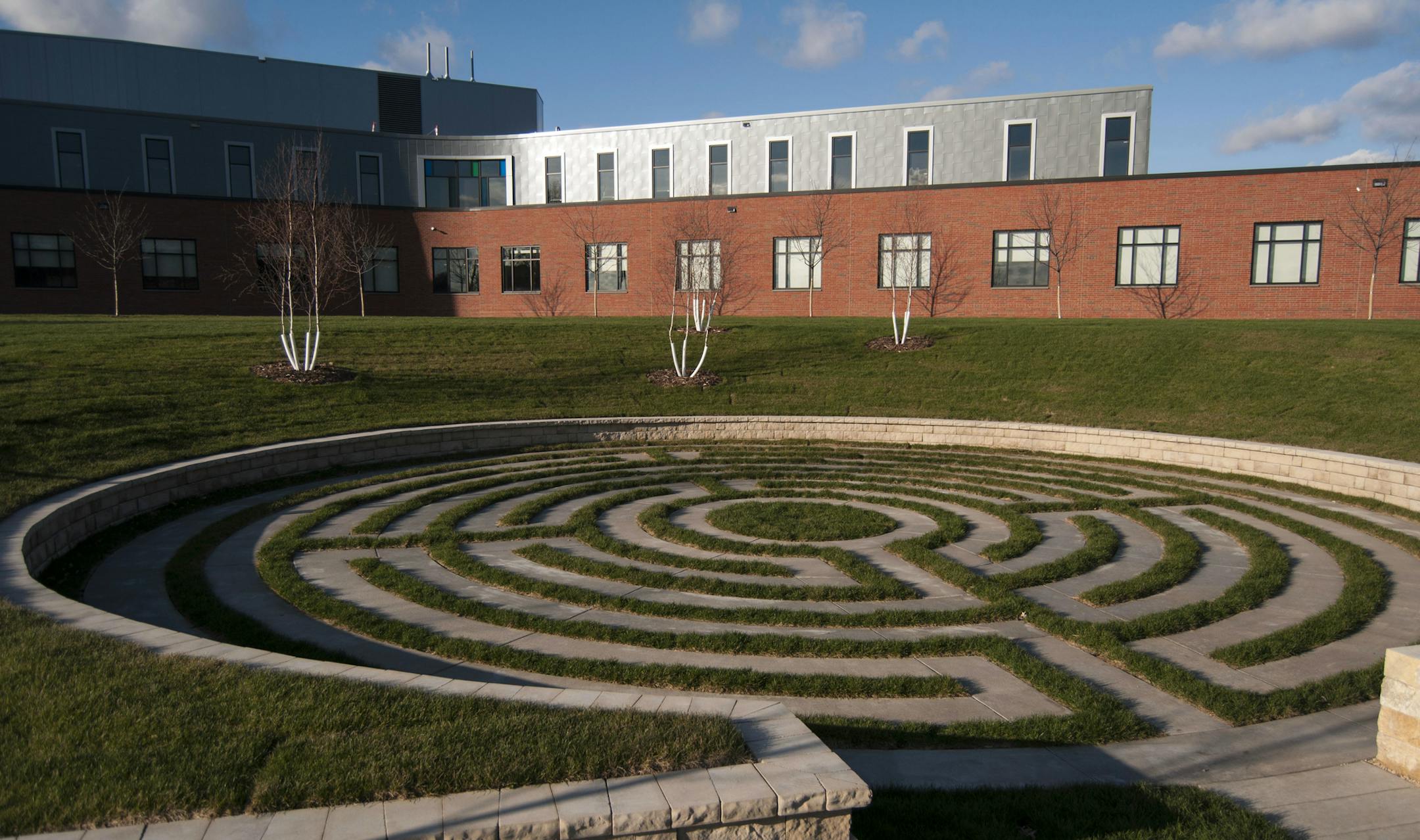
This year, Hazelden completed a $26 million expansion in St. Paul that included $1 million for restoration of the landmark structure in the city's West 7th neighborhood. Before the work could begin, Hazelden had to map the network of caves and tunnels beneath the property and, ultimately, change the shape and location of the new structure.