

WASHINGTON – In northwestern Minnesota, Corann Fladhammer has relied on $1,400 in federal assistance to heat her home as temperatures plunged in recent months. Without it, she said, it would be difficult for seniors like her to stay in their homes.
"It's been colder than normal and that's why I've used that much fuel," Fladhammer, an 89-year-old Mentor resident, said Wednesday. "The older you get, the warmer you want your house."
The Low Income Home Energy Assistance Program, or LIHEAP, is slated for elimination in the budget President Donald Trump proposed this week. Doing so would save the federal government $3.3 billion in 2019, according to the proposal — the largest single savings in the entire spending plan.
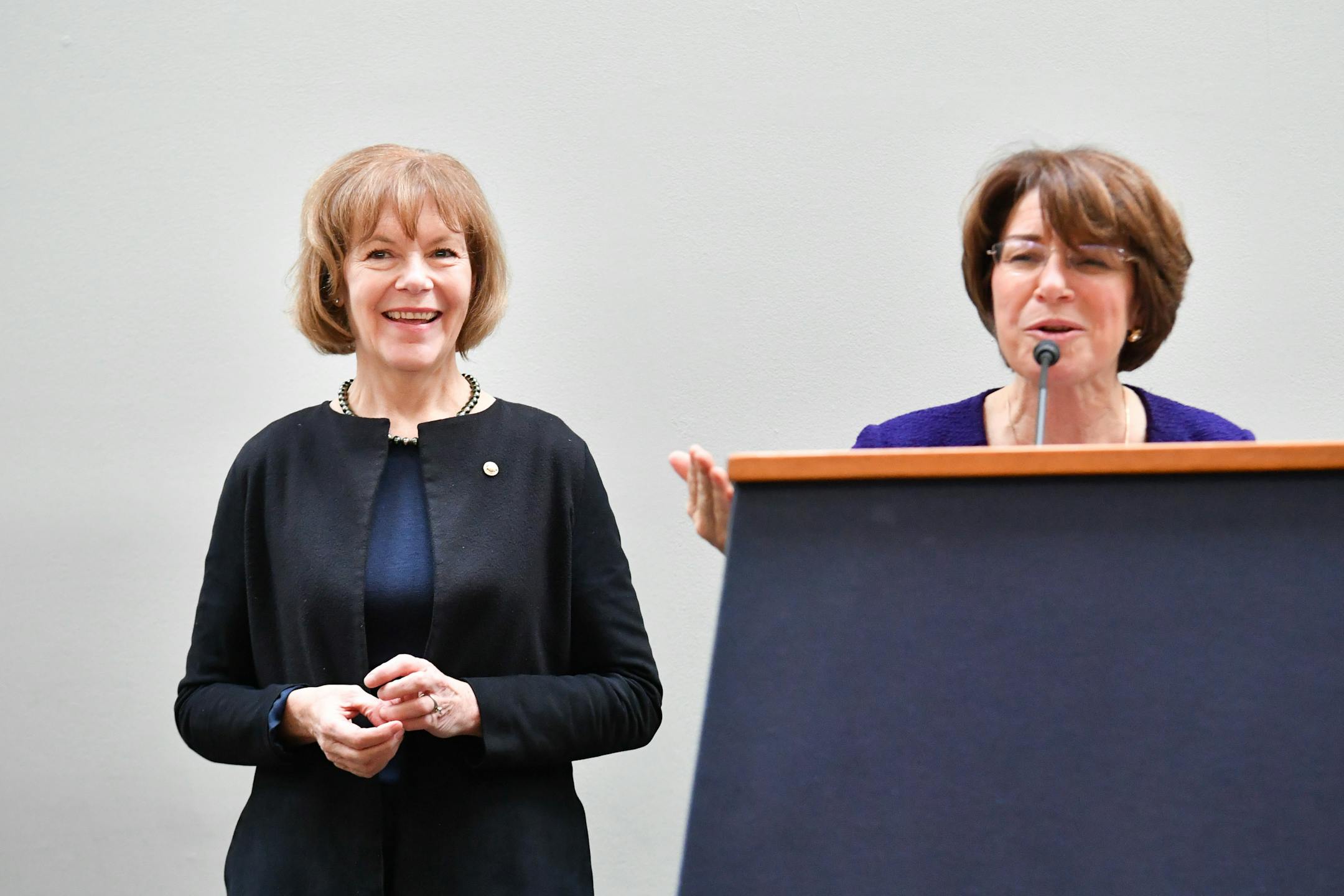
The prospect of cutting the program has alarmed lawmakers from cold-weather states. Before the release of Trump's budget, a bipartisan group of lawmakers, including Minnesota Sens. Amy Klobuchar and Tina Smith, asked Office of Management and Budget Director Mick Mulvaney to prioritize the program.
"The importance of LIHEAP cannot be understated — especially in places like Minnesota that experience bitterly cold temperatures and lengthy winters," Klobuchar and Smith wrote in a letter to Mulvaney.
In Minnesota, about 126,000 households rely on federal heating assistance, and three-quarters of those include seniors, children under 6, or people with disabilities. The program will cost $102 million this year, a figure that has dropped from a peak of $162 million during the financial crisis but is back to roughly the same amount as a decade ago. Households qualify if they earn half or less of the state's median income.
And like Fladhammer — who lives two hours south of the Canadian border — two-thirds of the recipients live in greater Minnesota.
"Losing LIHEAP would be just devastating to our rural areas," said Catherine Johnson, executive director of the Inter-County Community Council, which is headquartered in Red Lake County and delivers heating assistance to 1,500 households in Fladhammer's area. "It's literally a life or death program — with how isolated we are, people could freeze to death."


