

Hyperventilating over Donald Trump's various "pronunciamentos" seems to have blinded our political class to the deeper and truly historic implications of Trump's transformation of our national identity as Americans.
In his campaign themes and rhetorical metaphors, Trump has defended his base of supporters in a new way: He has radically affirmed their sense of victimhood.
The overlooked "big story" about Trump as a culture warrior has been his success in altering the self-image of his white American tribe — replacing pride with self-pity.
When The Donald speaks about politics being "rigged," or about the need to build a "wall" and deny immigrant visas to Muslims, all in order to fence out "threats" — when he declares that bad trade deals have allowed white Americans to become victims of Mexican and Chinese workers — he is assuring his base that the cards of life are stacked against them.
He is not speaking literally, under proper traditional standards of facts and logic. But he is fully understood by his audience — as speaking around and above mere literal facts and cutting right through to the emotional heart of what matters to them.
He is providing them with meaning about their lives. What it means is that they are victims, not winners in life's struggles. America, he complains, never wins anymore. He has turned the meaning of America upside down.
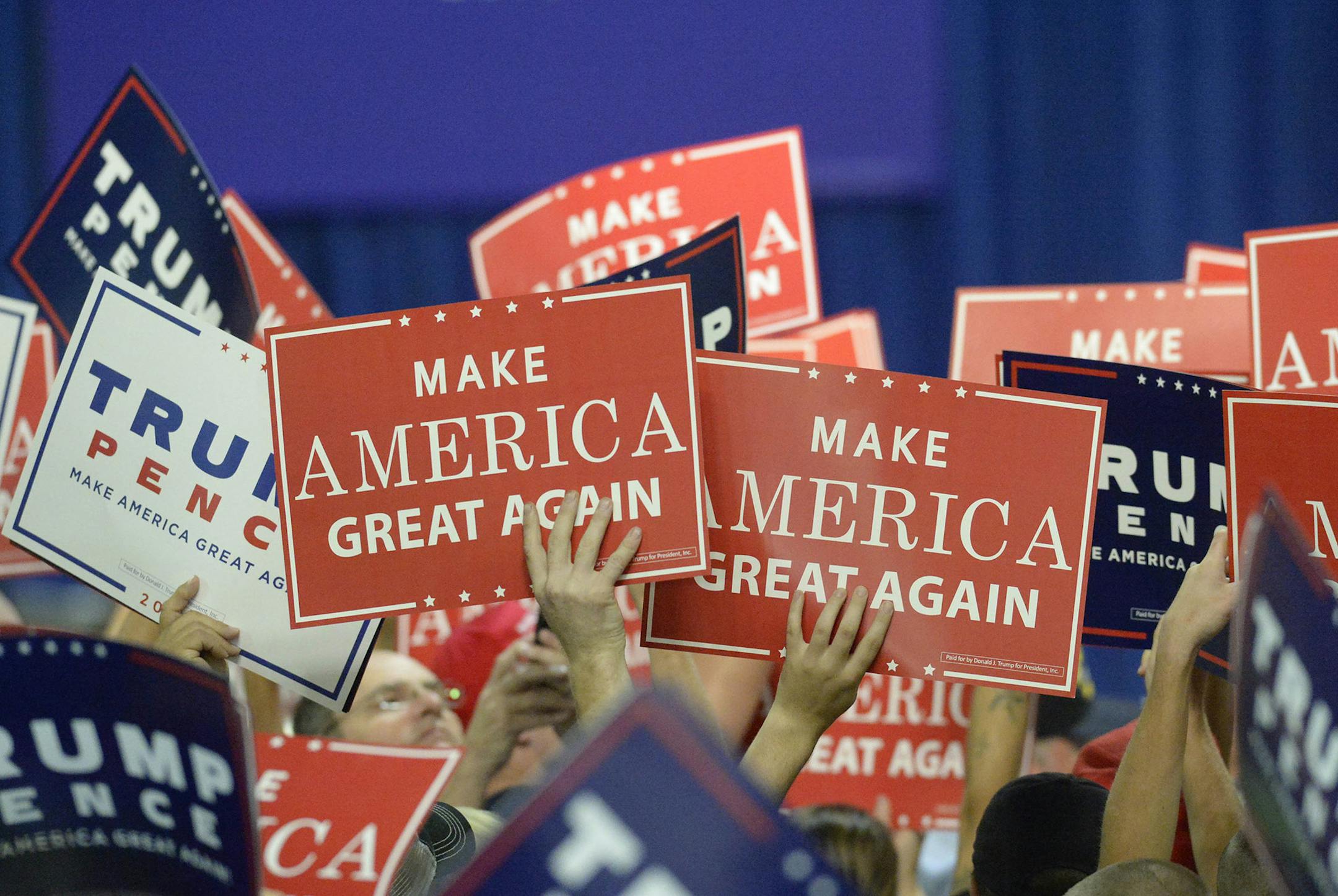
He has turned his back on the group identity that carried our nation from the Revolution to greatness of purpose in defeating the Nazis, the Japanese militarists and the Communists, and in creating a United Nations for the betterment of all. He appeals to felt victimhood and loss by demanding that we must make America "great again."
Out of nowhere, but with remarkable insight into social realities, Trump has reframed our civil religion, replacing the traditional assumption about American exceptionalism and opportunity with an equal opportunity for all Americans to consider themselves victims.


