

The hints of a pipeline spill are subtle: the hiss of rushing fluid, a streak of rainbow sheen. Tucked far below ground, a ruptured line can escape notice for days or even weeks, especially in the backcountry, where inspectors rarely venture.
Regulators in the waning hours of the Obama era wrote rules aimed at changing that, and the industry is looking forward to the new administration rolling them back. The Pipeline and Hazardous Materials Safety Administration "has gone overboard," said Brigham McCown, a former head of the PHMSA who served on President Donald Trump's infrastructure transition team. "They built a Cadillac instead of the Chevrolet that Congress told them to build."
The oversight agency, an arm of the U.S. Department of Transportation, is just one of many where Barack Obama's policies are in the Trump team's sights. The battle lines are predictable, with companies on one side and safety and environmental activists on the other. What's particularly worrying the latter is timing, because the rules could be upended as new shipping routes go into service across the country.
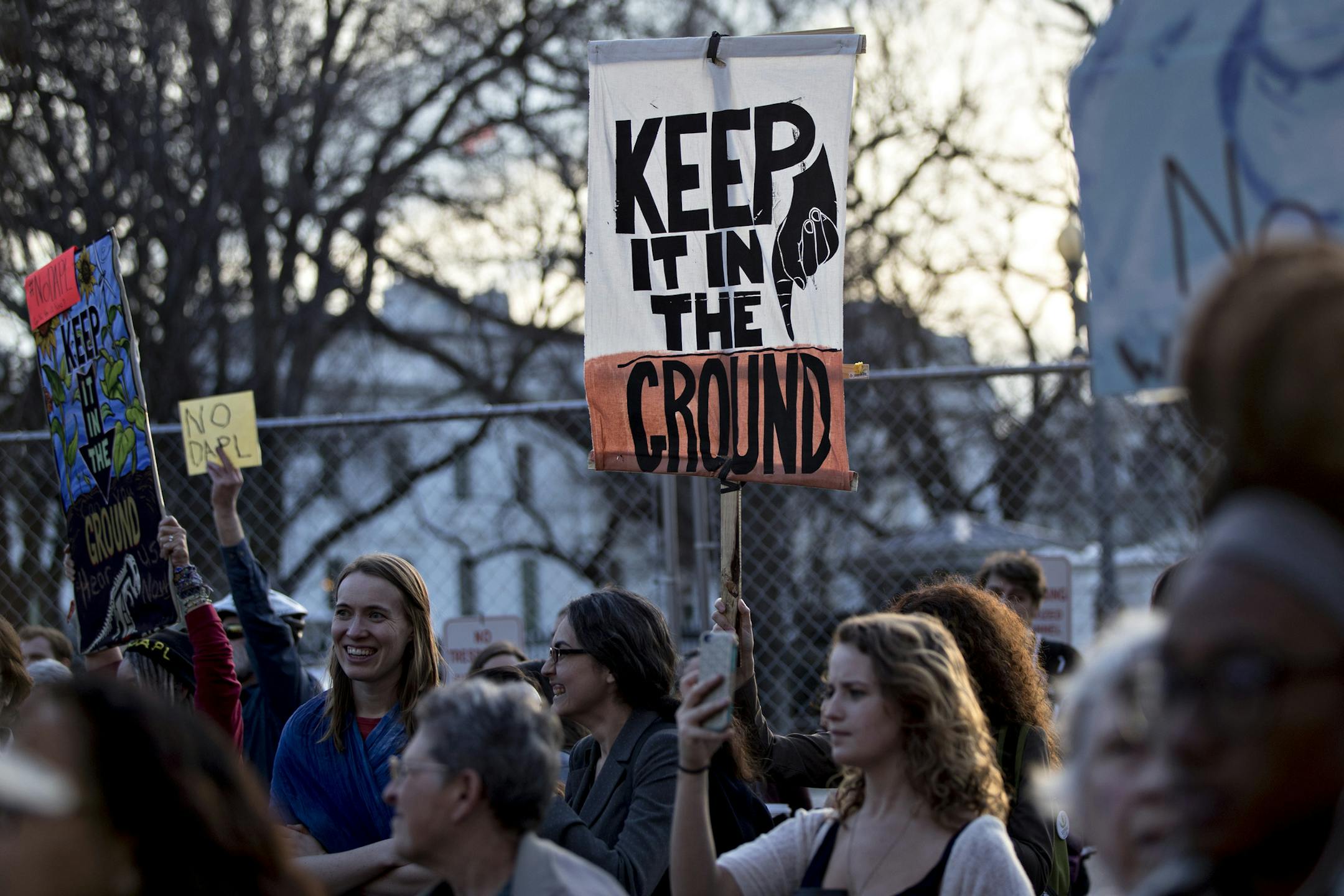
The president, a fan of fossil fuels, has revived two controversial pipelines, TransCanada Corp.'s Keystone XL and Energy Transfer Partners's Dakota Access. They would add 2,300 miles to the U.S. network with room to transport 1.1 million barrels a day.
As it is, there are more than 200,000 miles of pipe cutting across the country carrying crude, gasoline and other hazardous liquids — about 18 billion barrels worth annually. Many other projects are on the map; in Houston alone, planned lines are expected to increase capacity by 550,000 barrels a day in the next few years.
"I'm terrified about what is going to happen under Trump," said Jane Kleeb, president of the Bold Alliance, a coalition of groups opposing Keystone XL. "My worry is that they will just budget-starve PHMSA."
While Obama was president, the PHMSA budget grew by 61 percent. Then, seven days before Trump's inauguration, the agency finalized a rule toughening up inspection and repair demands, mandating, for example, that companies have leak-detection systems in populated areas and requiring they examine lines within 72 hours of flooding or another so-called extreme weather event. The American Petroleum Institute, the oil and gas industry's main trade group, characterized it all as overreaching and unnecessary.
The rule was set to take effect in July. The Trump administration slapped a freeze on all regulations written under Obama that haven't yet gone into force.


