

WASHINGTON – The Gila River Indian Community, an Arizona tribe that operates casinos near Phoenix, wants to stop another tribe from opening a rival enterprise. So Gila River mobilized its lobbyists at Washington's biggest firm.
The community paid Akin Gump Strauss Hauer & Feld $2.3 million for federal lobbying so far this year. As a Gila-backed bill moved through the committee process in the House, the Tohono O'odham Nation bolstered its own K Street presence, nearly doubling the amount spent on federal lobbying, which is about $2 million so far this year.
The pricey skirmish between the two Arizona tribes offers proof that a decade-old scandal that rocked K Street, Capitol Hill and Indian Country did not ruin the lucrative business of representing Indian tribes.
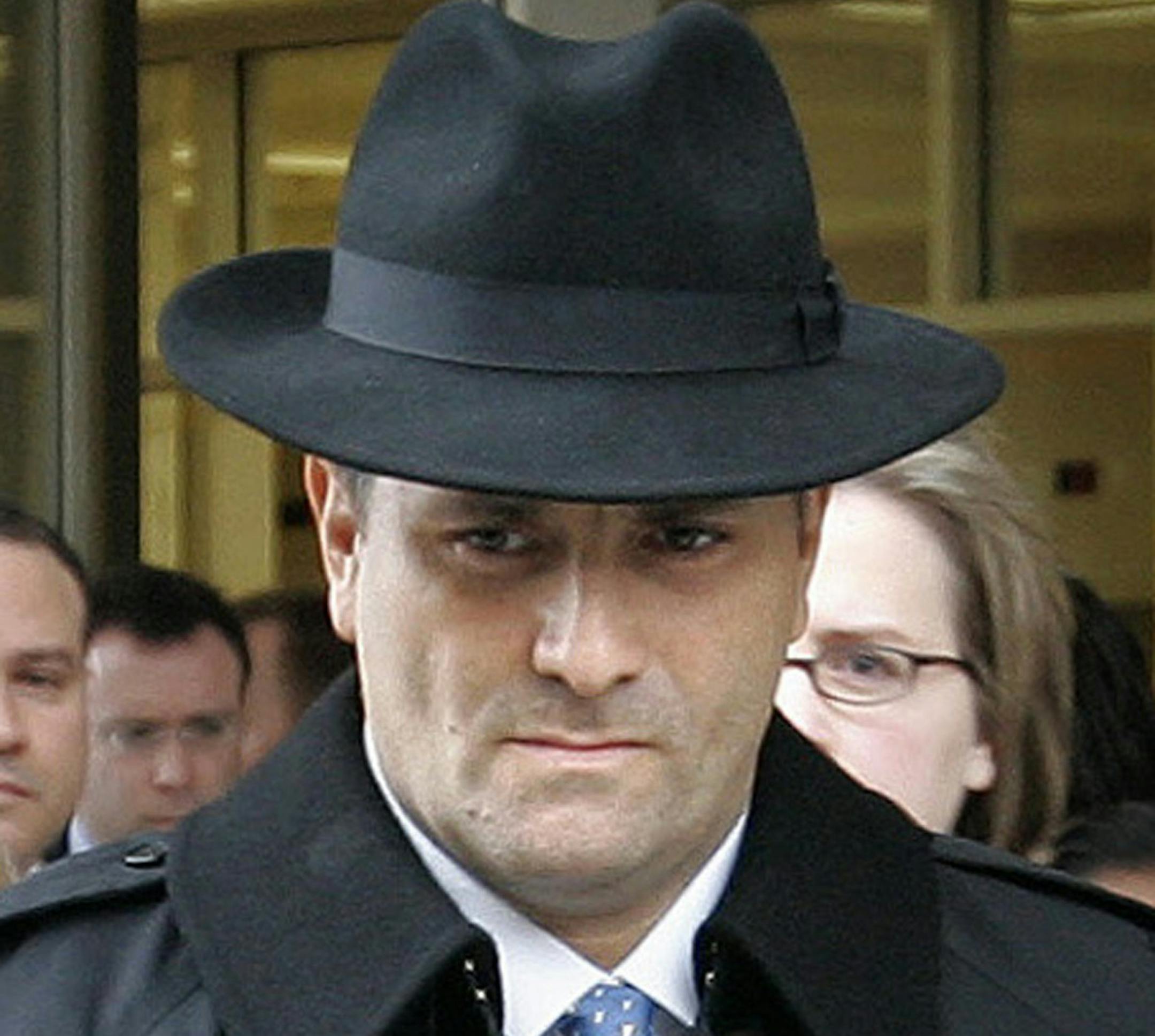
The scandal, which captivated Washington and sparked an overhaul of federal lobbying laws, stemmed from Jack Abramoff's lobbying on behalf of tribal clients with gambling interests.
It ultimately led to 20 convictions or guilty pleas including those of Abramoff and one lawmaker, Rep. Bob Ney, R-Ohio, who resigned in 2006 soon after pleading guilty to conspiracy and making false statements.
Tribes have an unusual relationship with the U.S. government: They are sovereign nations in their own right, but the feds must approve land acquisitions and the National Indian Gaming Commission regulates the industry, for example.
Lobbyists can help.
Lobbyists: Abramoff a blip
Federal lobbying by Indian gaming enterprises hit an all-time high last year at more than $24 million and this year is on track for the same level, according to lobbying data analyzed by the nonpartisan Center for Responsive Politics (CRP). That's about one-third of the tab for the entire defense and aerospace industry, the center found.


