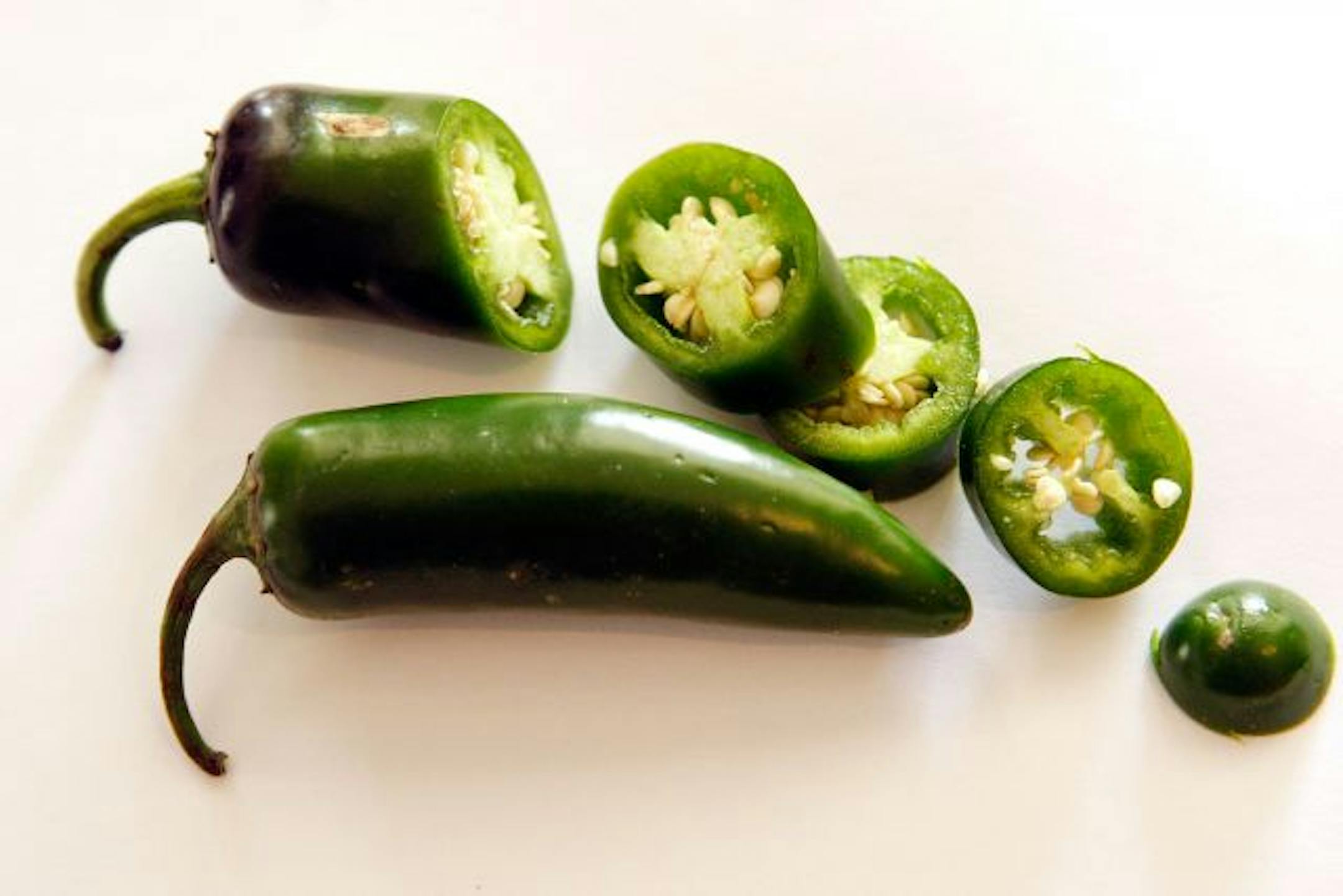
His Italian mother kept a jar of red pepper flakes on the table when Kevin Moot was growing up in Eden Prairie, so adding some kick to a dish became routine. As an adult, the 34-year-old software developer became a full-fledged fan of fiery food, but seldom found dining companions who shared his yen for cuisine that makes eyes water, noses run and heads sweat.
"I wanted to go out with people who wouldn't wimp out on me," he said.
Moot established the "Hot and Spicy Food Lovers Group" on Meetup, an online organization that helps people find and form interest groups. Four years later, his group has several hundred members who regularly visit restaurants willing to deliver when a patron asks to take it to the top level.
"It's an interesting mix of transplants, people of different ethnic backgrounds and plain old Minnesotans who are out of step with the white food thing," he said. "We've eaten Cajun, Caribbean, Vietnamese, restaurants I never would have heard of."
The classic joke about Ole and Lena finding ketchup a tad too tangy is sounding more outdated these days. Across the Minnesota food scene, purveyors are breaking out the burn for customers who are willing, even eager, to push beyond the bland German-Scandinavian tradition that has long defined the state's palate.
There's an emerging body of research that looks at how and why some people choose to feel the burn. Taste scientists have concluded that greater exposure to capsaicin, the chemical that gives peppers their fire, leads to the ability to tolerate and then crave it.
That exposure typically starts in childhood.
"If you're a little kid in Mexico or Thailand, your family is eating chiles, so you're going to, too," said Zata Vickers, professor of food science and nutrition at the University of Minnesota. She runs the Sensory Center, which tests reaction to foods and flavors for university researchers and private companies.