

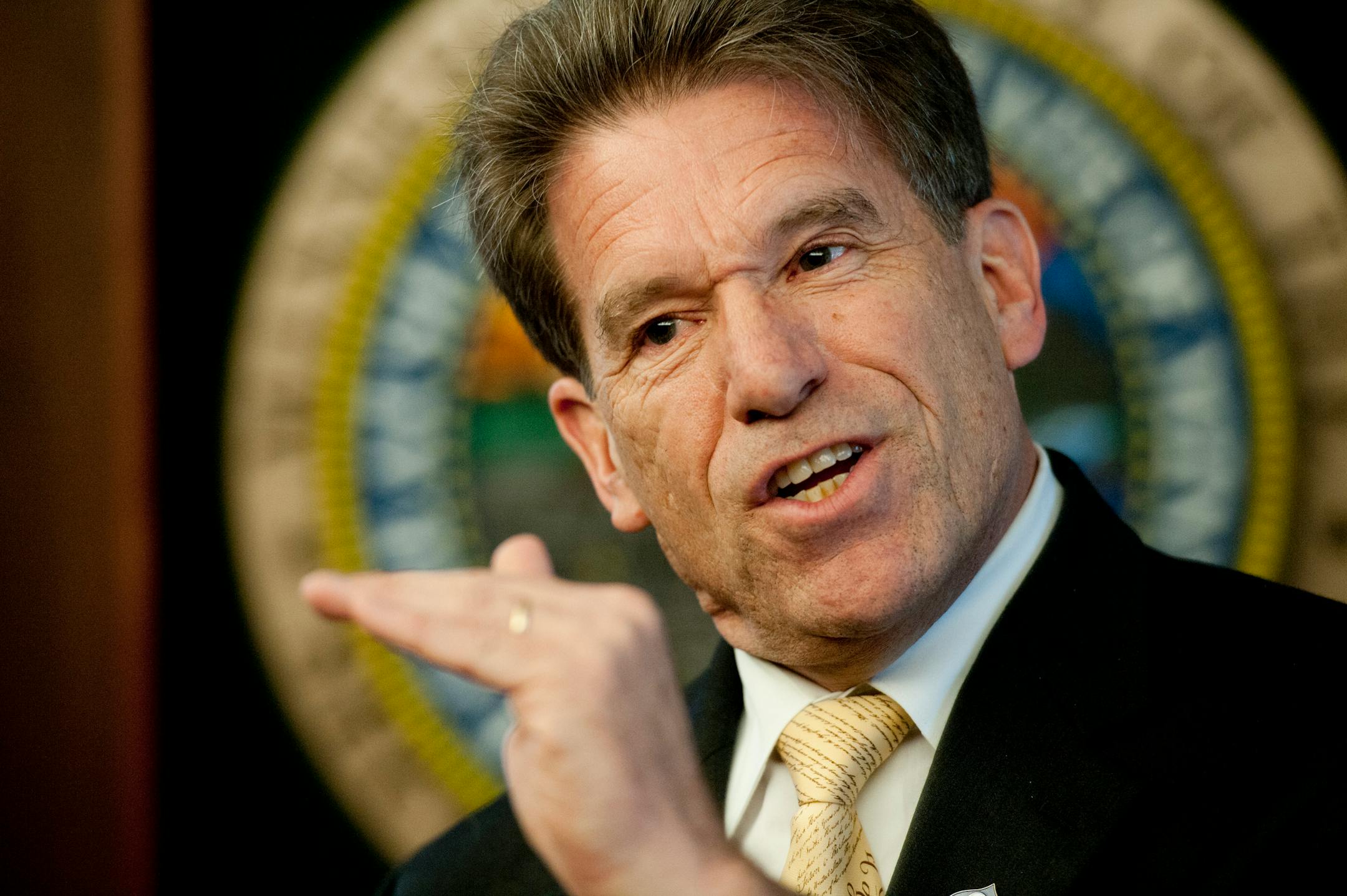
Late last month, Minnesota Secretary of State Mark Ritchie simultaneously announced and launched a new online voter registration system at the website MNVotes.org. The move came as a surprise to lawmakers, politicos and just about everybody outside Ritchie's office.
Some of the problems with this surprise move are that no law had been passed to authorize the change to Minnesota's election system and that the system was developed out of the public eye, without citizen input or legislative oversight.
Online voter registration seems like a simple service, and as we update our somewhat antiquated and often-inefficient election system, it can make sense to streamline the process. But there are reasons to tread carefully.
Online registration may be convenient for some voters, but it also has the potential to make things more convenient for criminals.
Election statutes are written with the level of specificity they are for a reason. Consider the nationwide ACORN voter registration fraud scandal that rocked the 2008 and 2010 elections. Unscrupulous canvassers were both submitting false voter registration forms and throwing legitimate ones in the trash.
Recently, while agreeing that Ritchie should not have advanced online registration without a legislatively passed directive, the Star Tribune Editorial Board characterized Minnesota Majority — which I lead — as a "voter fraud alarmist organization" ("Online voting system needs bipartisan OK," Oct. 15). But since our research and factual papers were made public, Minnesota has broken records for voter fraud convictions, and reforms to our election system have been enacted as a direct result of that work. It isn't alarmist if you're proven right. Then it's called "whistle-blowing."
Few would deny that fraudulent election activity occurs in Minnesota and around the nation. New cases emerge almost daily. Given the opportunity, bad actors will act badly and attempt to subvert the system. If people were angels, we'd have no need of laws.
Gov. Mark Dayton insists on broad bipartisan support to win his signature on election reform legislation. Most would probably agree that this is a fair stance, so is it right for the man who "counts the votes" to make changes to the democratically enacted election system all by himself?


