At the big development announcement in St. Paul last week, the potential of a fully built-out Ford site had city, state and development officials positively giddy.
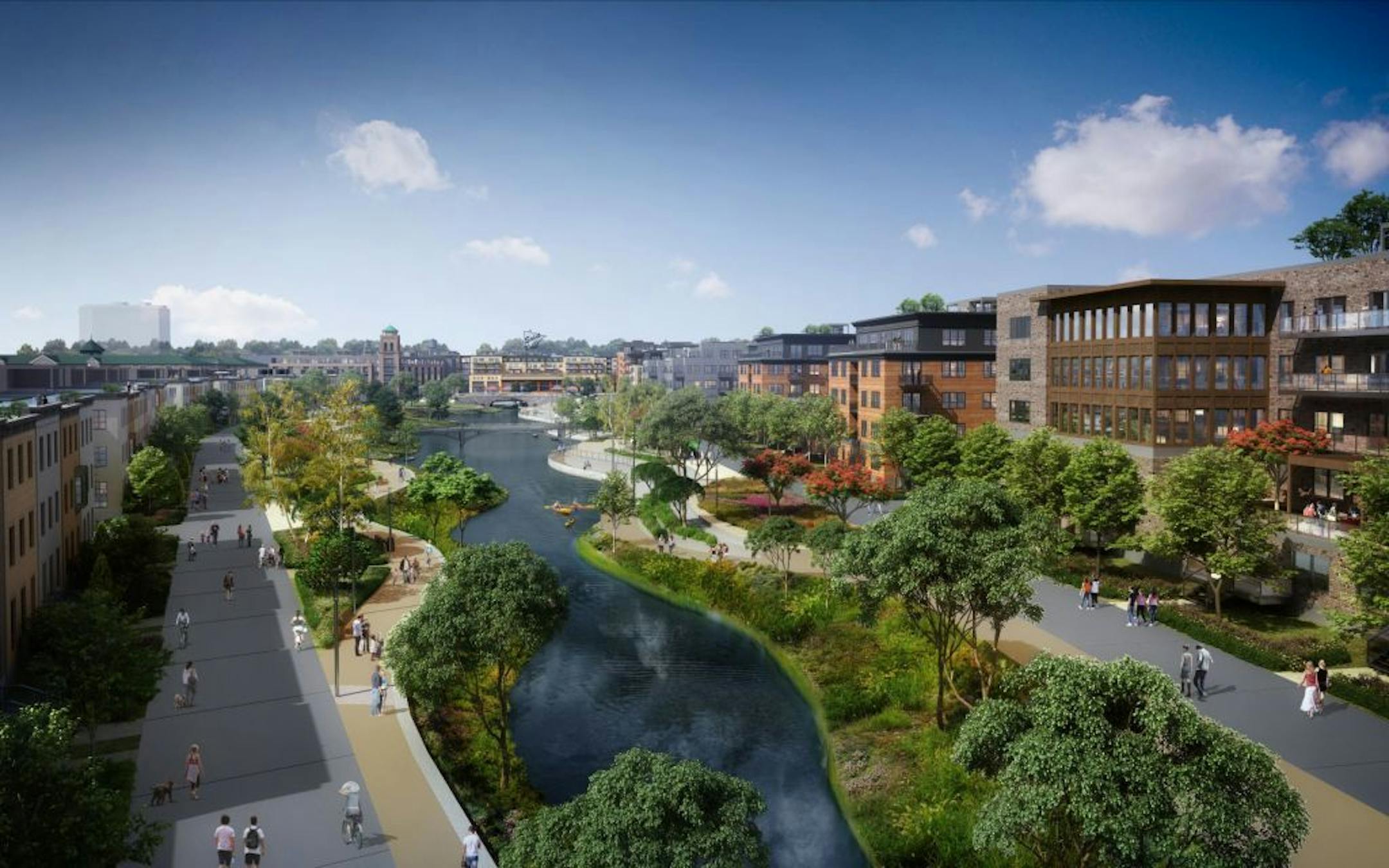
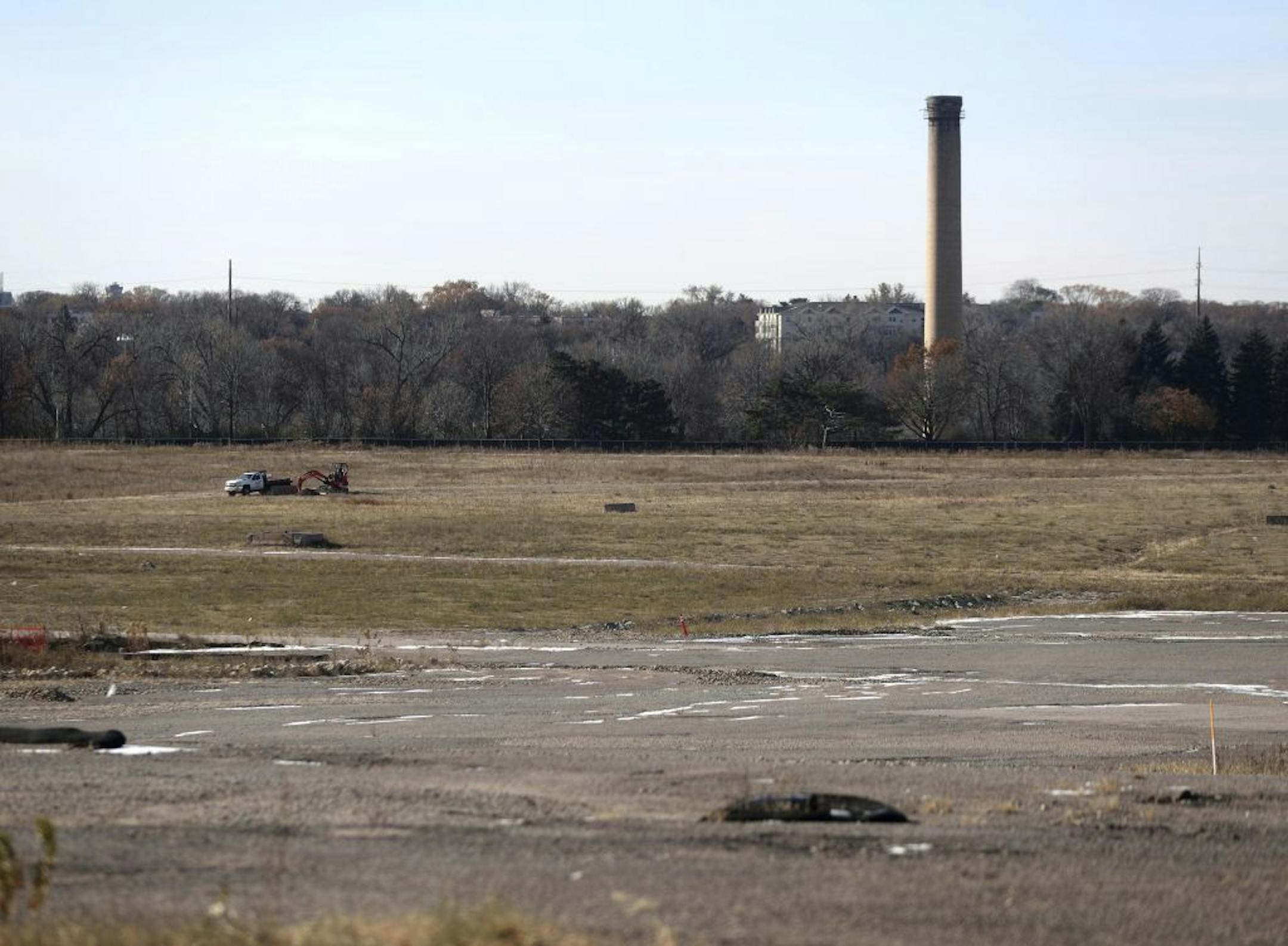
By 2040, what is now a 122-acre patch of dirt in Highland Park is expected to be transformed into a 40-block urban village housing up to 8,500 new residents and 1,000 new workers in thousands of new homes, offices and retail space. While much neighborhood discussion — and anxiety — has focused on how a bunch of additional cars will snarl the surrounding neighborhood, planners are simultaneously designing the site to cater to the thousands of people who will reach and traverse it each day by transit, on foot or by bicycle as well.
Nearly 10,000 trips into and out of the site are expected each weekday by walkers, bicyclists and transit riders, according to planning documents. That compares with the nearly 22,000 automobile trips expected by 2040.
"Obviously, the more people who choose transit and other modes of transportation, the less we'll have to worry about traffic and parking," said City Council Member Chris Tolbert, who represents the area. "This will be one of the few neighborhoods in St. Paul built with complete streets to accommodate cyclists, walkers, cars and transit. Streets elsewhere weren't really meant to be multimodal."
Kevin Gallatin, a member of the Highland District Council who sits on the transportation committee of the St. Paul Planning Commission, said getting people to, from and around the Ford site in ways other than cars is a planning priority.
"There is a strong desire in the community to ensure it happens," he said, noting that while recent transit studies acknowledge that most people will drive to and from the site, transit will be a major component of its future. "There is talk of adjusting routes in the future, extending routes through the site as needed. And while there's not much talk of adding routes now, that's a possibility."
Howie Padilla, a Metro Transit spokesman, said the Ford site already receives frequent transit service, with several bus routes running nearby and the A Line Bus Rapid Transit rolling down Ford Parkway every 10 minutes. But Padilla confirmed that the agency, which makes service adjustments every three months based on ridership trends, is willing to make changes as the site develops over time.
"This isn't a development that is all of a sudden going to appear," he said. "It will be on us to keep an eye on it."