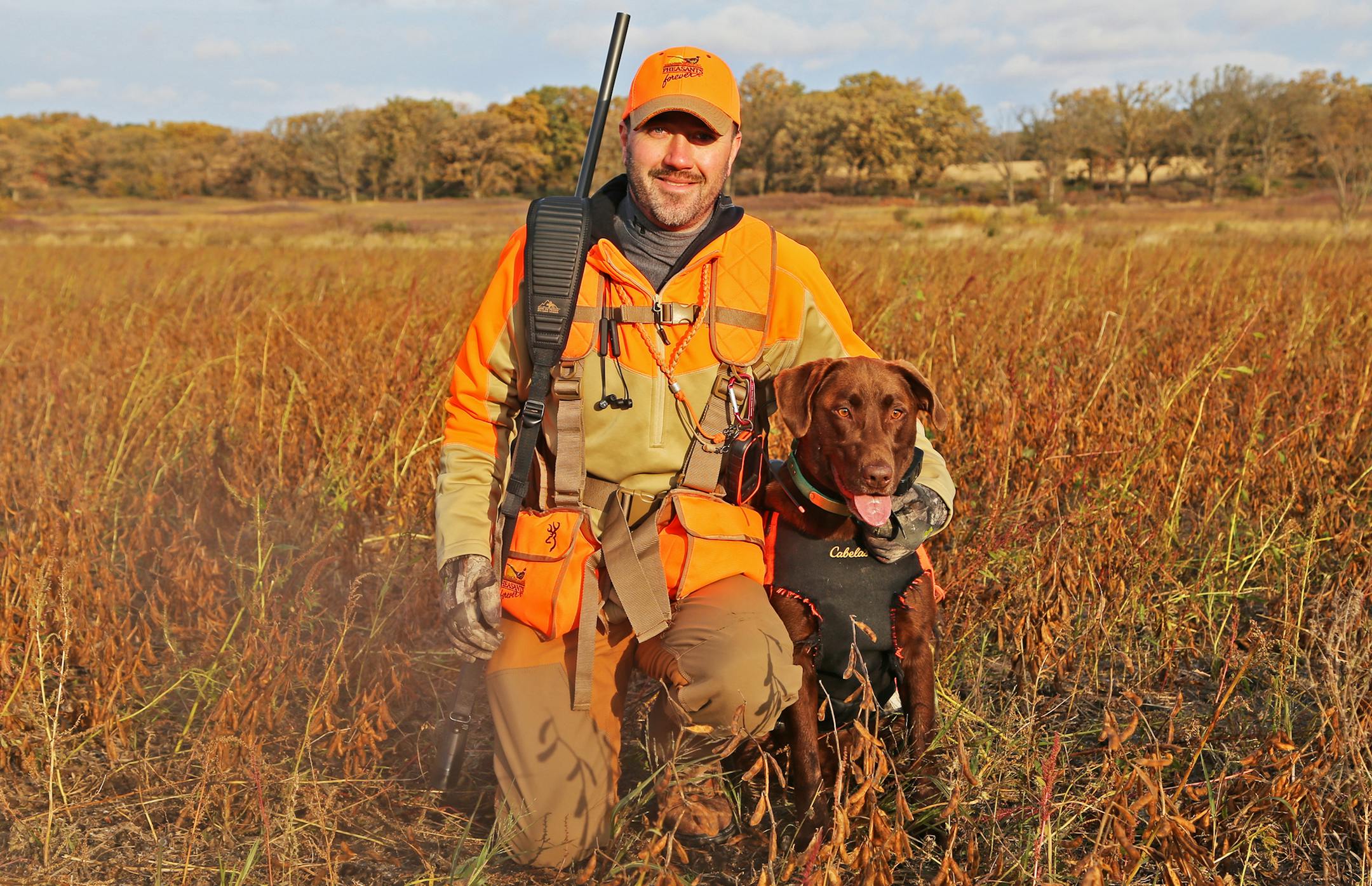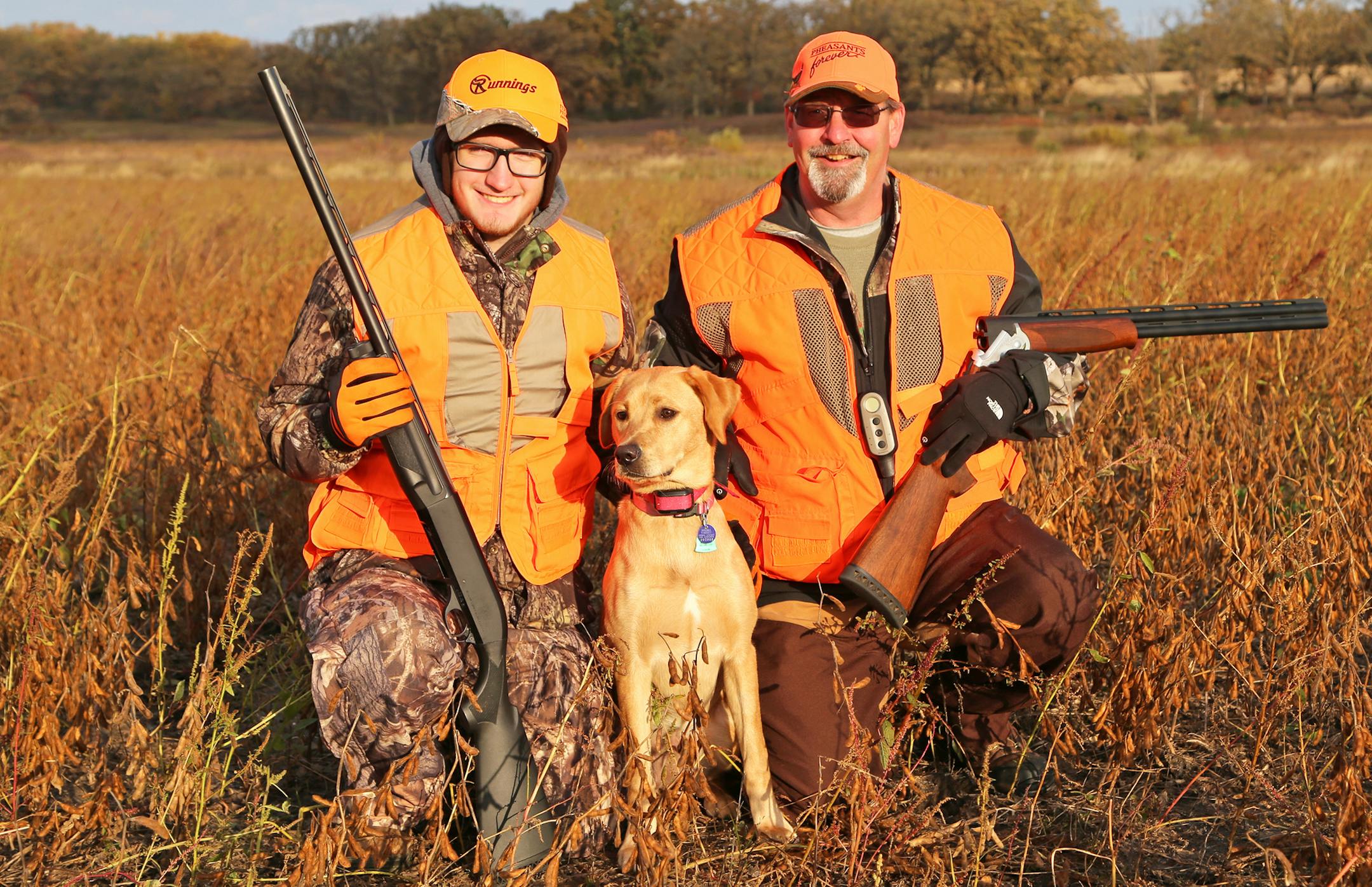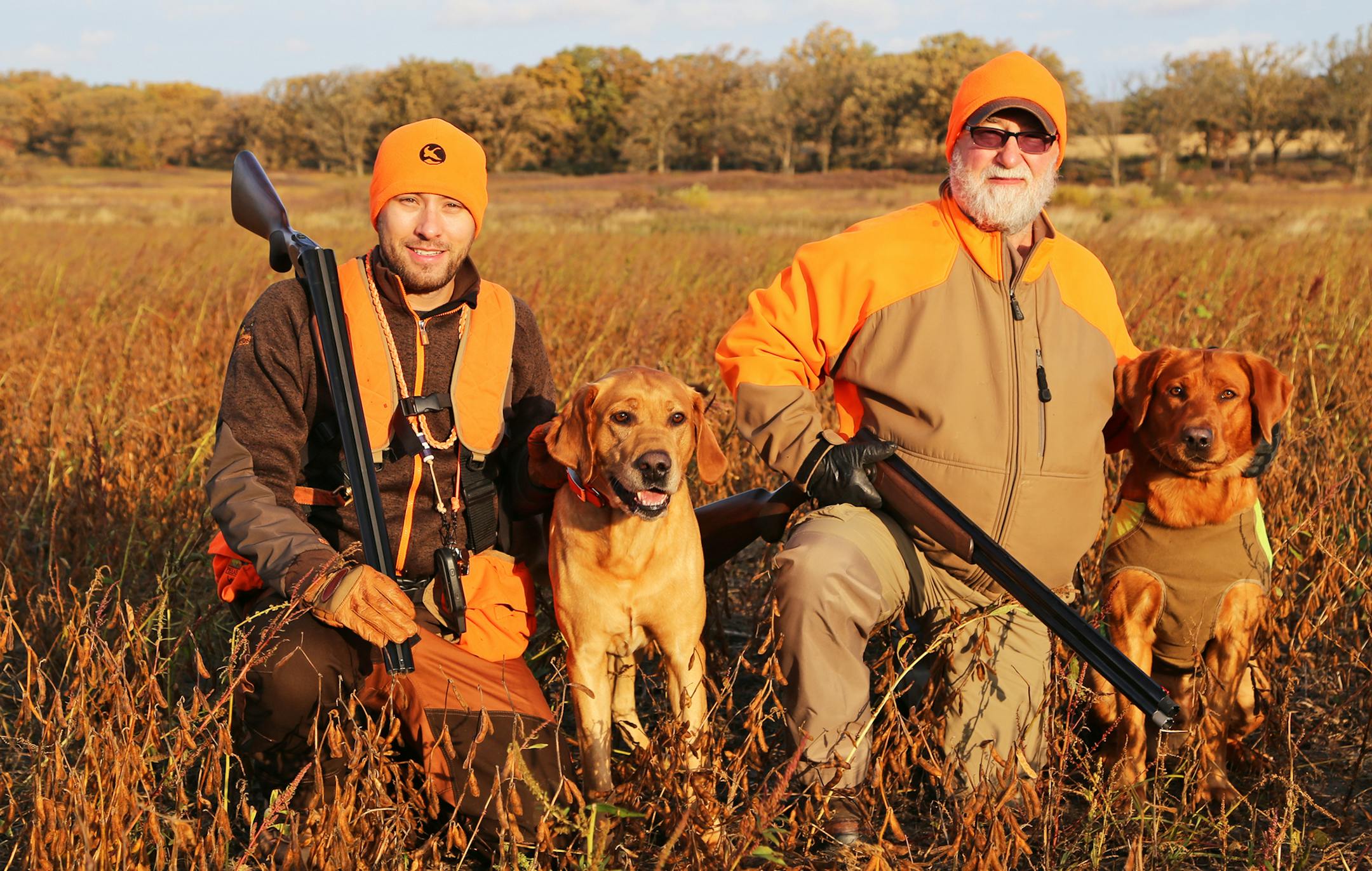
SPRING VALLEY, MINN. – A short distance from this burg in the southeast corner of the state, a small bunch of us gathered in advance of Saturday's 9 a.m. start of the pheasant season. At the time, few places in Minnesota had the sun poking through intermittent clouds. But such was the case here, a stone's throw from the Iowa line.
Were it not for the wind, the morning would have been ideal for a walk through the giant state wildlife management area (WMA) that sprawled alongside our parked trucks. The morning was chilly, about 29 degrees. But compared to weather typically encountered while late-season pheasant hunting, the temperature would have been no impediment — absent, that is, the morning's 20-mile-per-hour breeze that gusted to 30, swaying cornstalks in the near distance and cottonwoods further beyond.
"With all the crops in the field, this could be tough," Andy Ness said. "And with the rain we've had, farmers won't be harvesting for a while."
Ness, 37, who lives outside Spring Valley, was joined on the opener by a contingent for whom this part of Minnesota is ground zero. Todd Jorgensen, 50, was here with his son, Hunter, 18, both of Spring Valley. Neal Hinners, 63, also of Spring Valley, was in attendance as well, along with his son, Logan, 32, who lives in Wyoming, Minn.
Years ago, in the 1970s and '80s, back roads in this part of Fillmore County would have been filled with pickups on the pheasant opener. Birds were plentiful then, or at least commonplace enough to cultivate the walk-flush-shoot-and-grin culture that keeps pheasant hunters off the couch and in the field.
That's less true today, in part because recent winters have been bird-killers, and more so because nesting seasons have been wet.
Standing crops this year compound hunters' challenges.
"At our homecoming football game last night — we played Lanesboro — I saw a couple of guys who used to go out on the opener, and they said, 'No,' they weren't going," Ness said. "The weather was probably one reason and the crops another. But there just haven't been as many birds around, either."