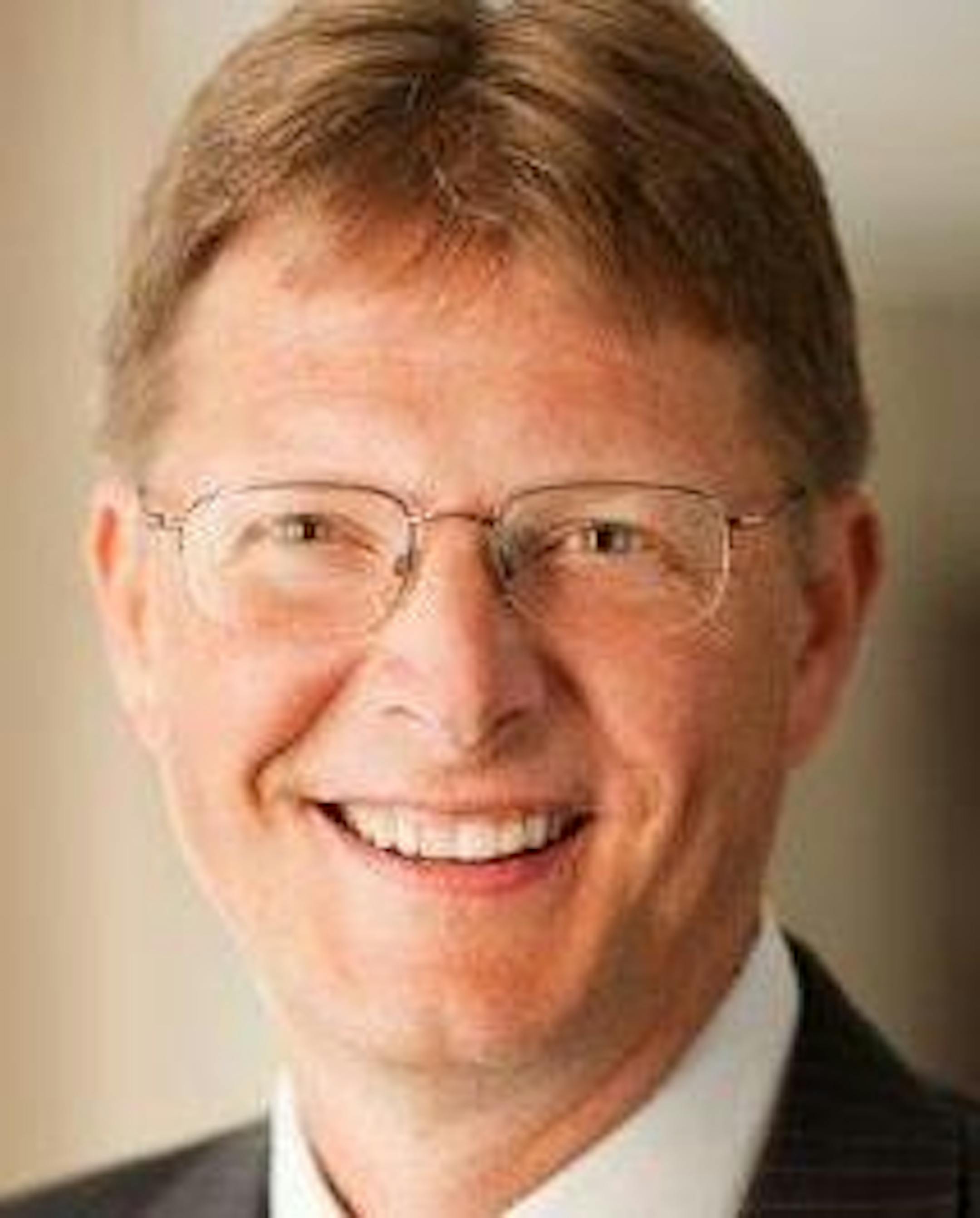
Curt Hanson and Leslie Bergland 25 years ago were international banking veterans at the predecessor banks to U.S. Bancorp and Wells Fargo, chasing some of the same regional-company deals with wavering support from their institutions.
"Neither of those banks was serving the needs of the small exporters, and there was not a trade credit or insurance broker in the five-state Midwest region," recalled Hanson. "When that blinding flash hit us, we decided to start our own business."
A quarter-century later, the business, called Trade Acceptance Group (TAG), was at the White House accepting an "Excellence in Exporting" award from U.S. Secretary of Commerce Penny Pritzker.
The Obama administration is pushing Congress to pass the Trans-Pacific Partnership trade accord. It generally would lower tariffs but is opposed by some Democrats and labor groups, who fear job losses, as well as some Republicans who want to deny Obama a victory.
Hanson, who supports the pact, also has proved TAG can make a buck in the volatile export business by assisting small companies such as Ikonics, Midwest Hardwood and Safety Speed Cut. They lack the size and clout of a Cargill or 3M. But such deals matter to the companies and are substantial in the aggregate.
The six-person, Edina-based independent broker of trade credit, finance and political risk insurance estimated that its Midwest clients in 2014 exported $814 million in products overseas that were insured by the U.S. Export-Import Bank or private insurers. TAG regularly is ranked one of the nation's three most active brokers of the U.S. Export-Import Bank's insurance and loan products.
About 75 percent of TAG's revenue comes from commissions on credit insurance policies that it brokers for customers. It works with state government export agencies, such as the Minnesota Trade Office. TAG, partly through 120 seminars since 2011, helps create a technical-and-advisory bridge from small companies to export markets.
"A company may be at a trade show and a foreign company may say, 'We're interested' and the Midwest company will hear from the [prospective buyer] in Nigeria or Mexico or Chile and they'll ask for a 'pro forma invoice,' " Hanson said. "That's exciting, but a little fearsome. They are 'accidental' exporters without a strategy at this point. They need help. That's where we come in."