

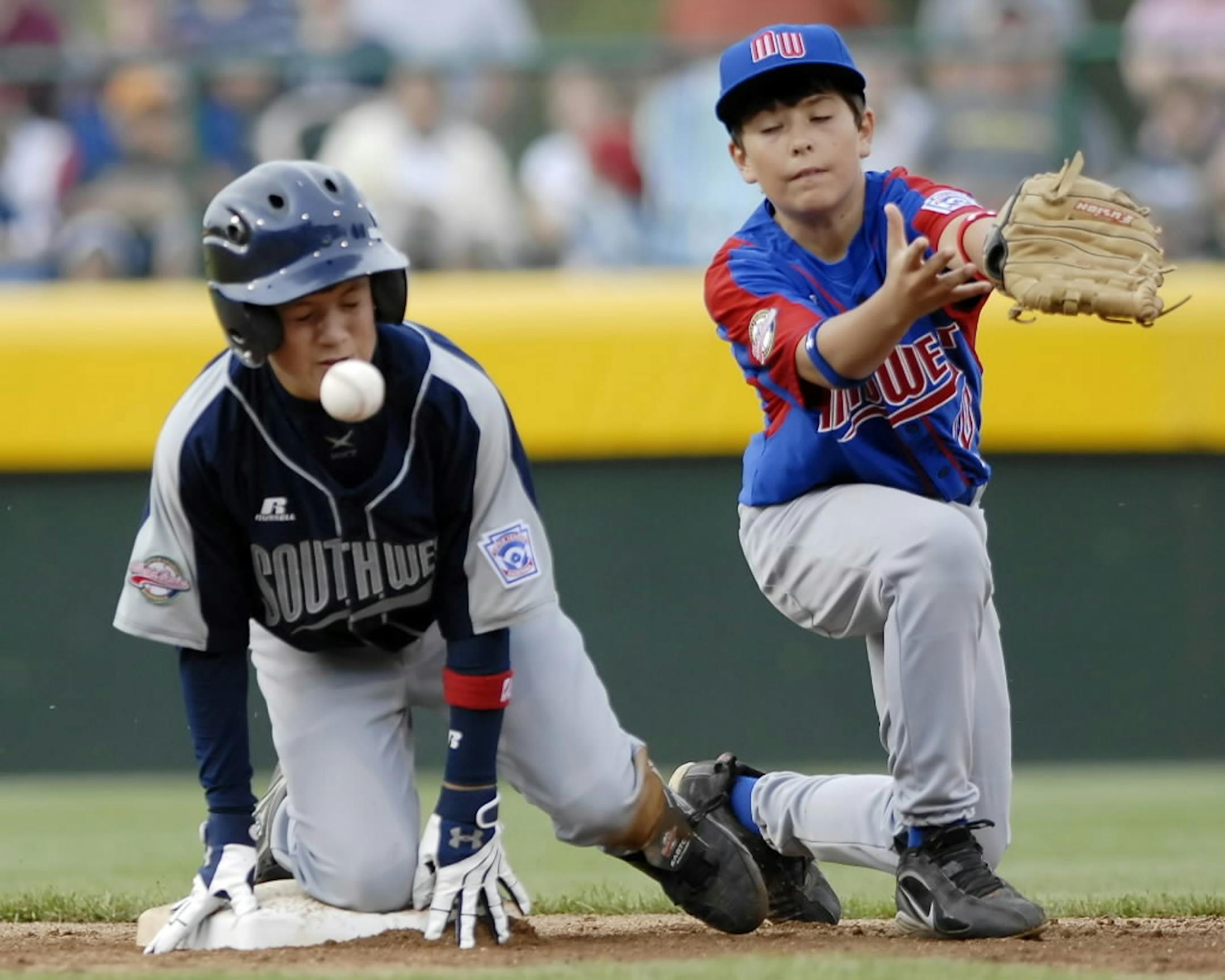
Like a lot of today's youths, I spent much of my childhood on ballfields and basketball courts. But that's where the similarity ends.
My dad played softball several nights a week in those days, and spent winters playing amateur basketball. I loved going with him to his games. He had "retired" from sports when first married as a commitment to his new family, but he came out of retirement when my brother and I got older, because he wanted to show us how to play.
At Dad's games, he would let me warm up with him, playing catch in the summer, shooting baskets in the winter. I would often keep the scorebook or clock, and there was always time afterward for some pop flies or a game of H-O-R-S-E.
I wanted to grow up and play ball just like my dad -- and I have. I'm 55 and still playing fast-pitch softball and basketball. I love it as much today as I did when I was 15.
Having raised a couple of athletes and coached youth sports all of my adult life, I find it fascinating to see how much things have turned around. Today, a dad's life consists almost entirely of being a spectator at his kids' games; the child's team is the center of everything for most families.
Kids today see their parents solely in the roles of chauffeur, cheerleader, and chief critic of coaches and umpires. This shift has been part of an explosion of competitive youth sports in the past 20 years.
Today, youth teams sport the finest uniforms and play extensive schedules, complete with regular weekend travel that includes hotels and meals that back in the day even most smaller college programs would not have undertaken.
Some of this is good. Dads being more involved in their kids' activities for the most part is good. However, there are some difficult realities about this new, kid-centered phenomenon that should give us pause.


