DUBAI, United Arab Emirates — Today, I'll talk about the Paris attacks, but before I do, I want to share two news stories here, in case you missed them: The first calf to come from a cloned camel was born at a research center in Dubai, and a local taxi start-up is taking on Uber in the Arab world.
You may think that these emirates start-ups — cloning camels and cabs — have nothing to do with Paris, but they do. Bear with me.
A newspaper here, the National, quoted Dr. Ali Ridha Al Hashimi, the administrative director of the Reproductive Biotechnology Center in Dubai, announcing "that Injaz, the world's first cloned camel, gave birth to a healthy female calf weighing about 38 kilos on November 2. Injaz, whose name means 'achievement' in Arabic, was cloned in 2009 from the ovarian cells of a dead camel." Previously, when the pregnancy was disclosed, the center's scientific director, Dr. Nisar Wani, said, "This will prove cloned camels are fertile and can reproduce the same as naturally produced camels."
Also last week, a hot local Arab ride-sharing start-up, Careem.com, raised $60 million more in venture financing to take on Uber in the Arab world, using technology that allows for pre-booking of vehicles through its mobile app — ideal for Saudi Arabia, where women can't drive and need chauffeurs to take them and their kids everywhere.
So, about 1,000 miles south of the ISIL start-up in Iraq and Syria — where jihadis are using technology to spawn disruption on a massive scale — another group of Muslims (and non-Muslims) in another Arab country is disrupting the world of camels and cabs.
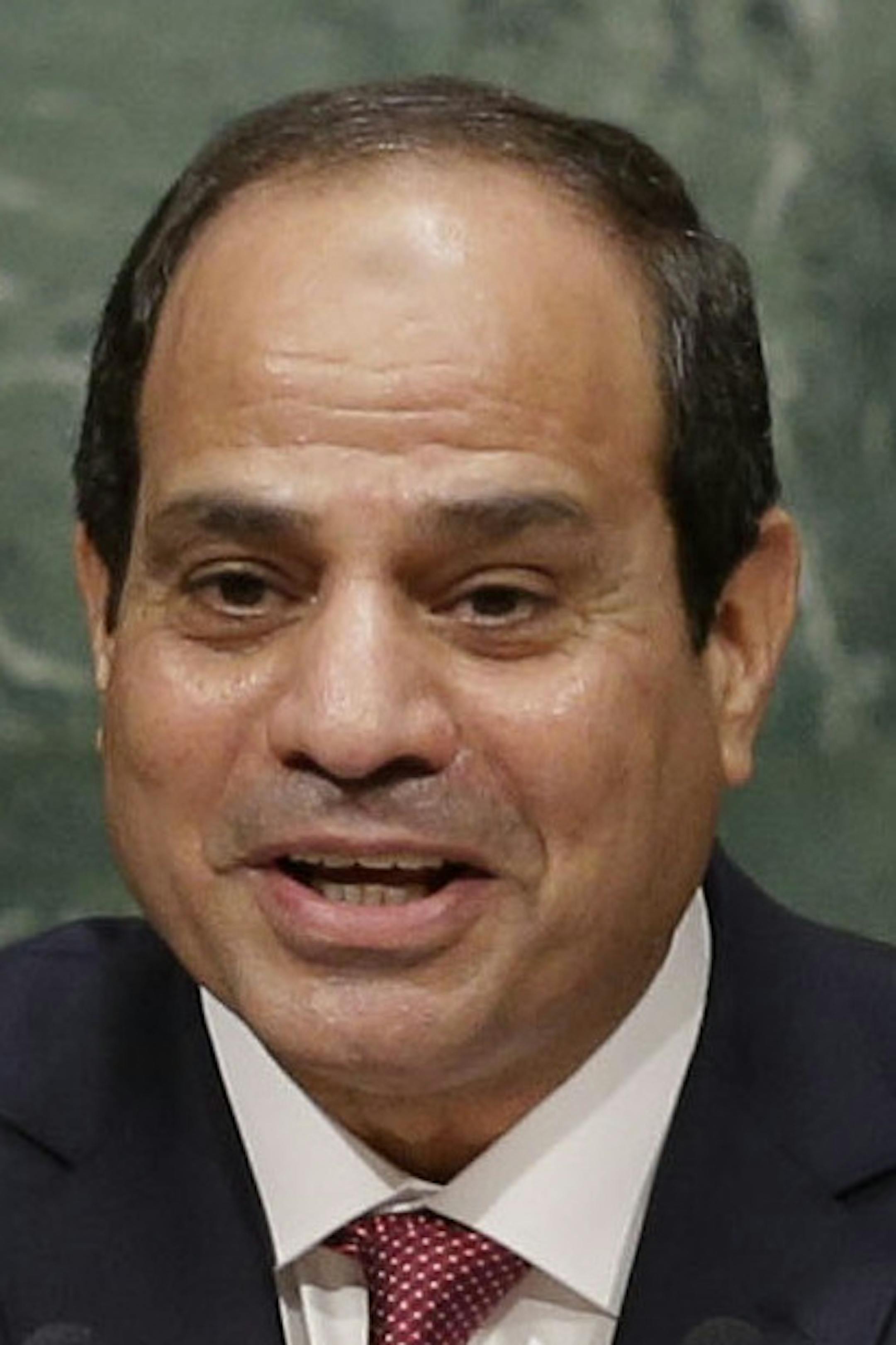
The message? The context within which Arabs and Muslims live their lives really matters. And in too many places they've had only two choices: the iron fist of generals, like Egypt's President Abdel-Fattah el-Sisi, who is trying to stifle all dissent, or the ISIL madness that says the only way forward is to take the Arab-Muslim world backward.
Fortunately, there is a third way: the autocracies, monarchies and a few frail democracies that have invested in their people and created islands of decency — Tunisia, Jordan, Lebanon, Kurdistan, Kuwait, Morocco and the UAE — where more young Arabs and Muslims can realize their full potential and build their dignity by disrupting camels and cabs — not Paris and Beirut.
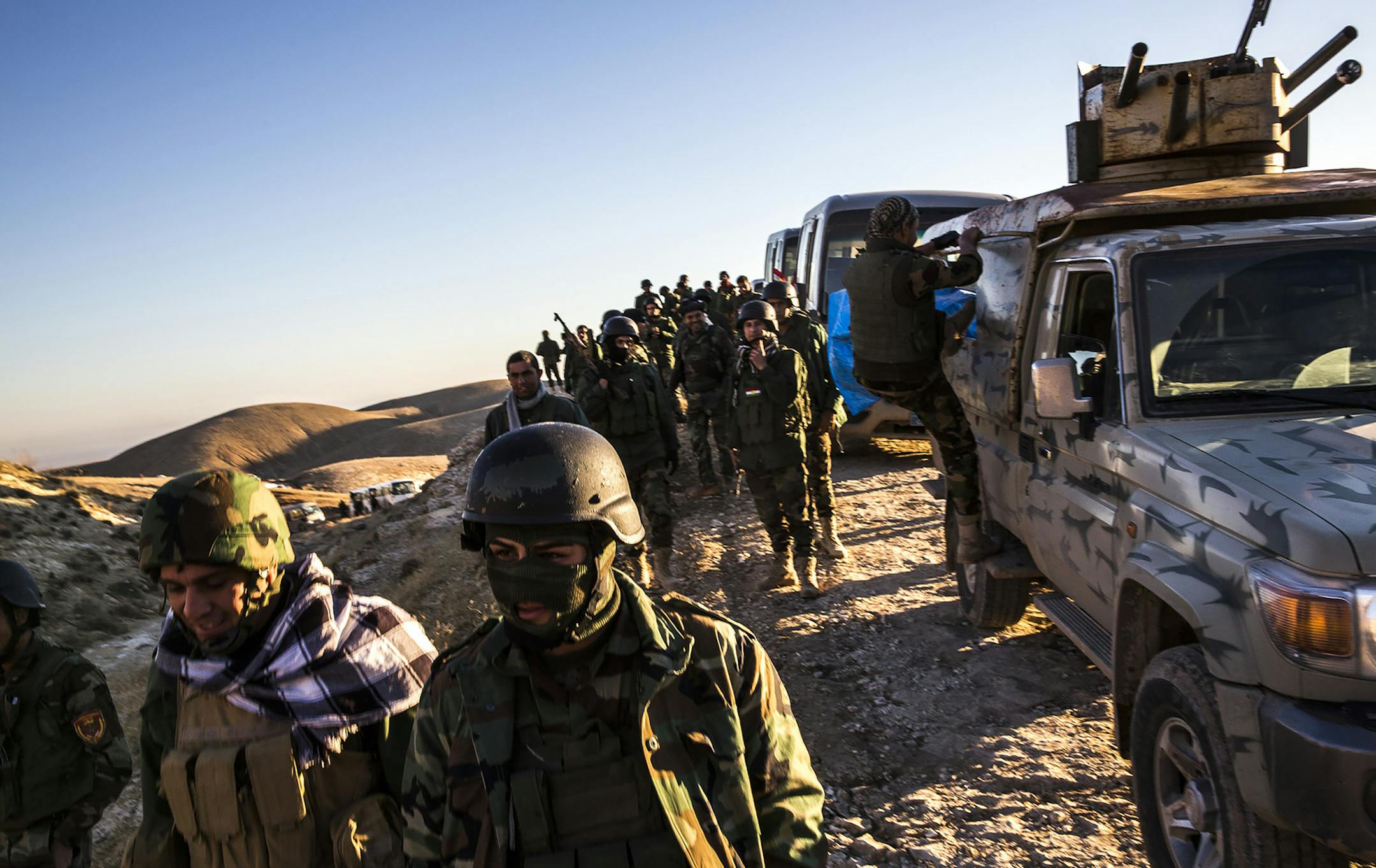
For me, the big strategic question in Iraq and Syria is: What would it take to uproot ISIL and create a Sunni island of decency in its place? For starters, that requires an honest assessment of how big the challenge is.