Government health care. Racial equality. Income disparity.
They're familiar battles in 2017. But not so familiar seven decades ago.
Yet many seeds of today's culture wars were sown in an unlikely place and time: a Finnish farming community in rural Minnesota at the height of World War II.
Though the global conflict still raged, it was becoming clear by 1944 that the United States and its allies would win. But what kind of world would we live in when the cataclysm ended?
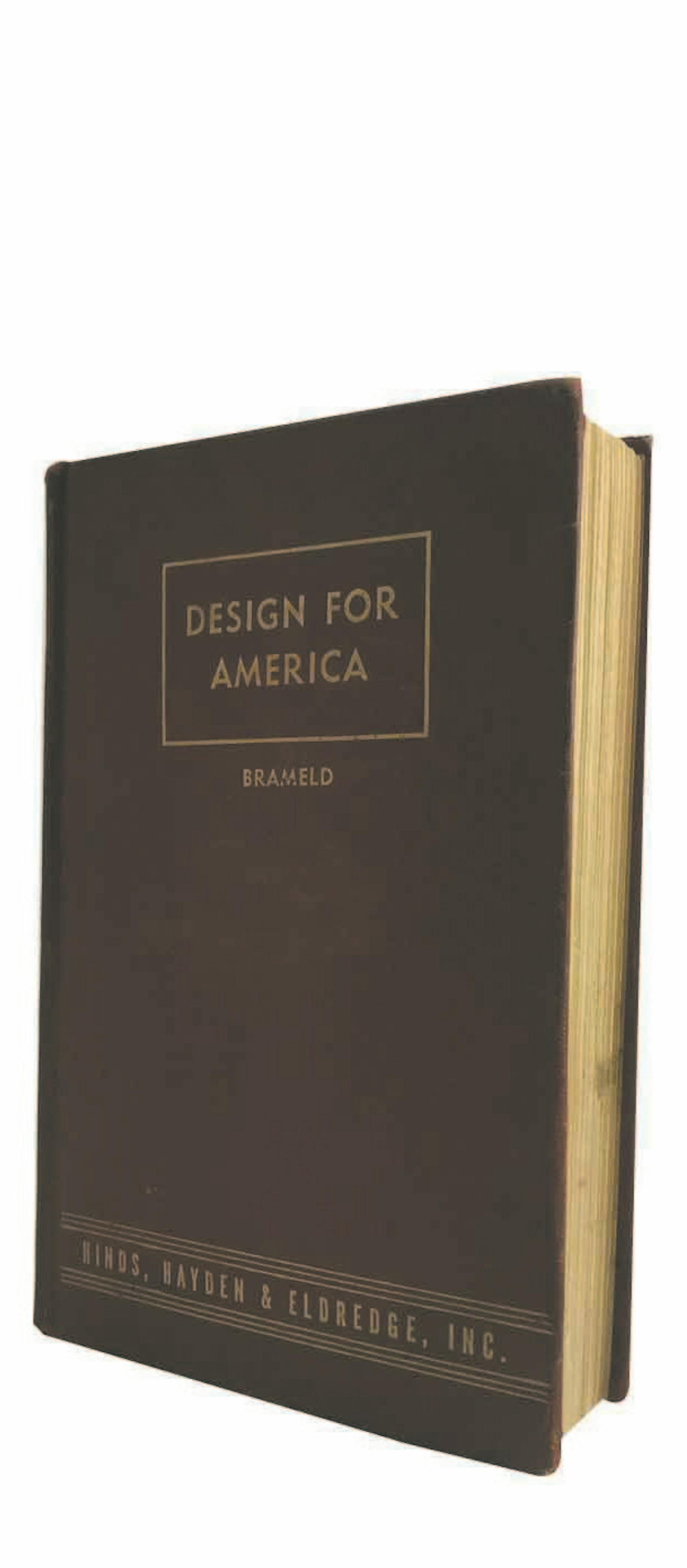
The question was on many minds, including that of Theodore Brameld, an energetic, idealistic — many would say left-wing — education professor at the University of Minnesota.
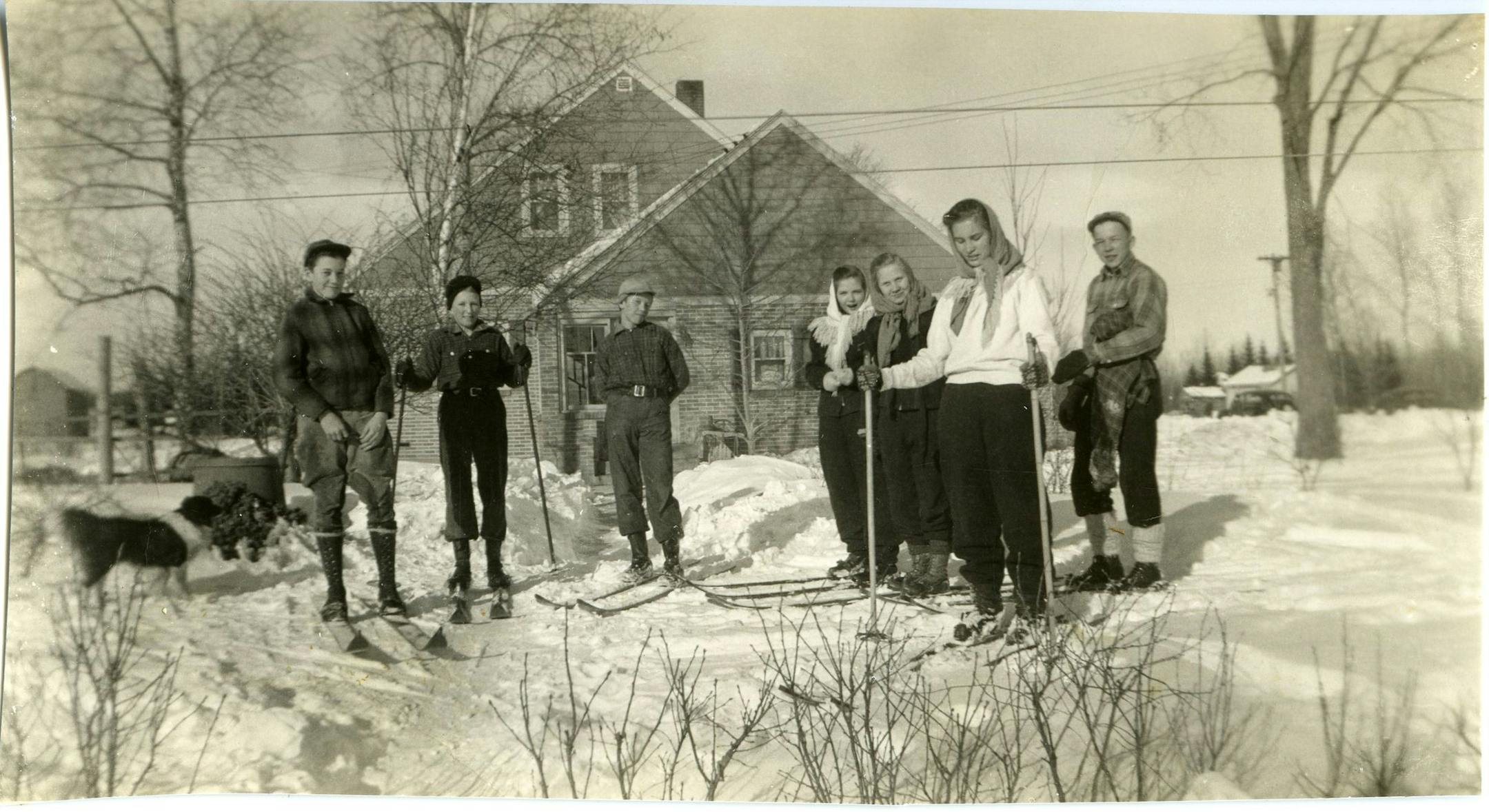
Forty miles west of Duluth, in the town of Floodwood (pop. 570), Brameld conducted an experiment that one academic called "the first example of educational futurism."
Brameld challenged the entire junior and senior classes at Floodwood High School — 51 students in all — to create a blueprint for the future, to envision the postwar world they'd lead.
For four months in the spring of 1944, for two hours a day, they studied an intensive curriculum that pushed them to draw conclusions about government, society and how America could make its way in the new world.