

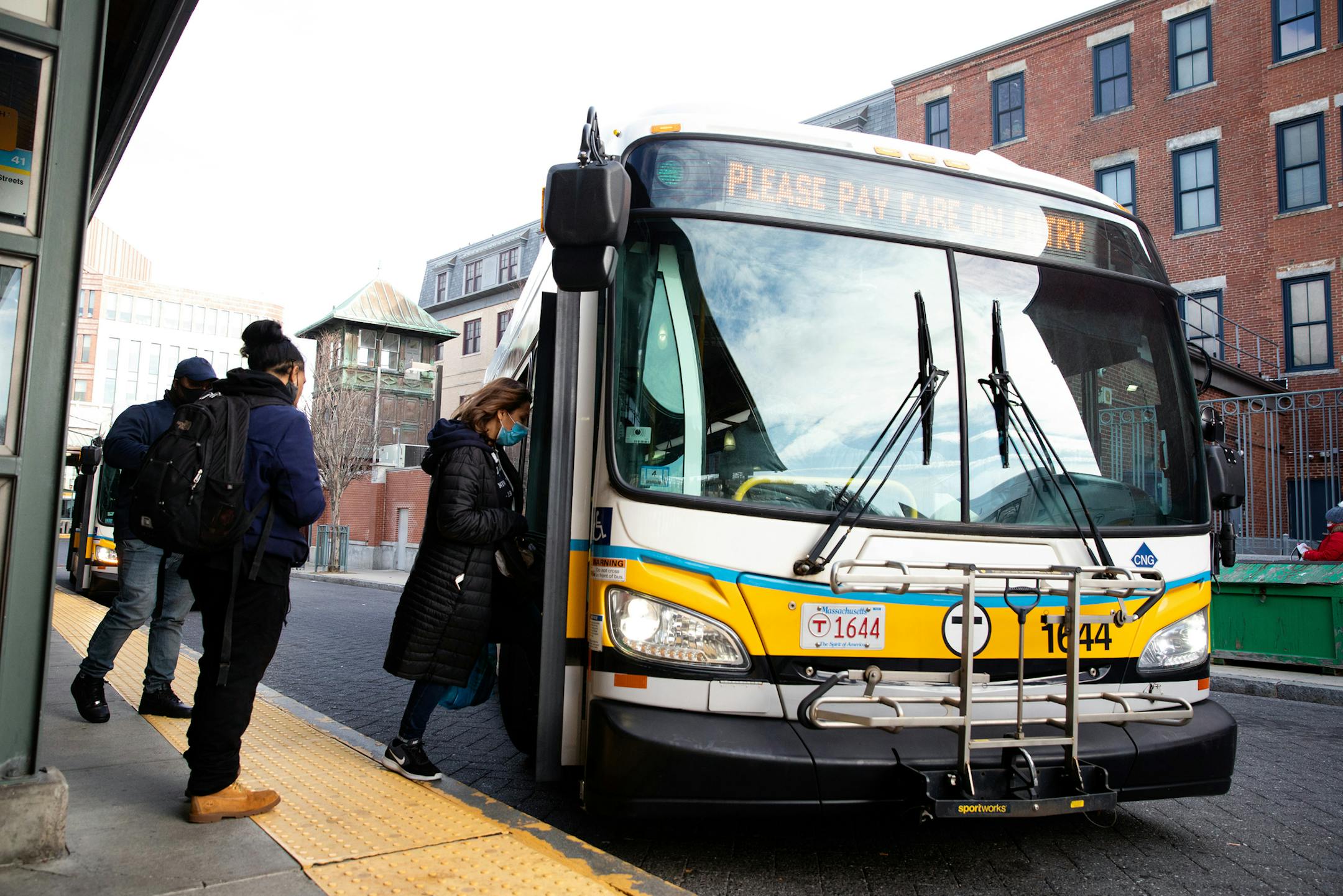
In America, nobody loves the bus. Bus systems across the country are chronically underfunded, leading to slow, inconvenient and unreliable service. In New York, America's most transit-friendly city with by far the nation's most-used bus system, terrible service regularly causes people to lose jobs, miss medical appointments and squander many hours, sometimes in rain or snow, just waiting.
People have said for years that the bus could be the next big thing in transportation. Now we can make that a reality. With the proper investment, city buses might be transformed into the sort of next-generation transportation service that technology companies and car companies have spent billions over the past decade trying to build — a cheap, accessible, comfortable, sustainable, reliable way to get around town.
How? Not through some great technological innovation or a grand infrastructure project. The holy grail is right there in front of us. All we have got to do is buy more buses, hire more bus drivers and, in some places, give buses special privileges on the road. All we have got to do is care enough to build bus systems that work.
And now is the time to do it. The pandemic has altered Americans' commuting habits, and there is a sudden political opportunity to remake American transportation. The Biden administration and Democrats in Congress are drawing up a giant infrastructure plan with lots of big projects on the menu — a multibillion-dollar tunnel under the Hudson, an electric car charging network, perhaps high-speed rail.
These may be worthy projects, but it could be years before we realize their benefits. Adequately funding American buses is one of the simplest, cheapest ways to improve the daily lives of millions of Americans — right now.
With improved bus service, writes transportation researcher Steven Higashide in his book "Better Buses, Better Cities," "cities would instantly take a step toward becoming more inclusive and sustainable."
America's neglected buses are inextricably linked to its larger collective ills. Bus riders wield little political or economic clout; a disproportionate number are people with low incomes.
Like all forms of transit, buses must also contend with America's addiction to automobiles. About 80% of federal spending on transportation is devoted to highways; the sliver that is left goes to public transit.


