

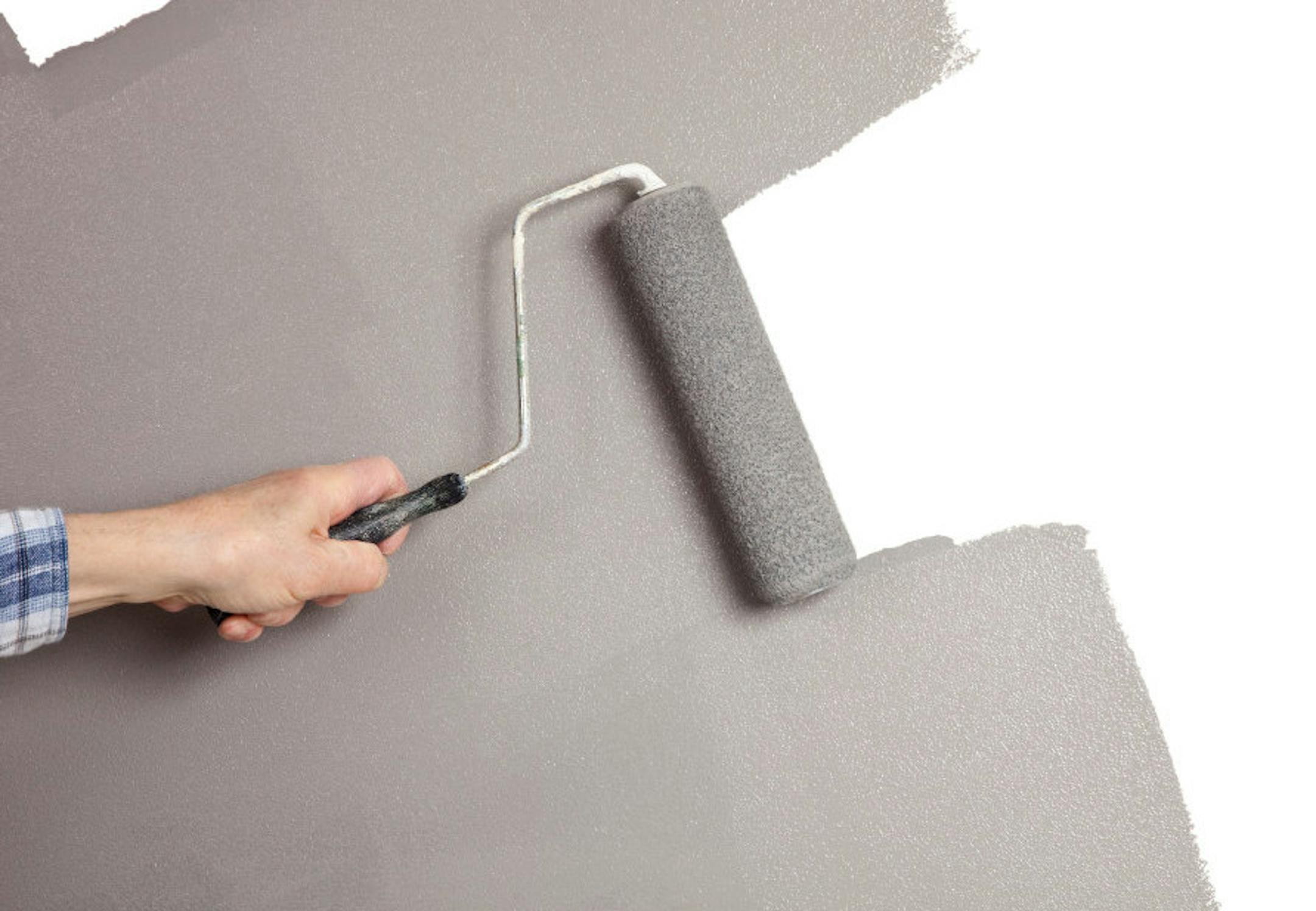
There are good reasons why most homeowners do their own painting: Unlike most home-improvement jobs, no building codes apply to interior decoration; if you do something dumb, you don't risk life and property as you would if you were, say, tackling a rewiring job; and since labor typically accounts for 80 to 85% of the price of any paint job, you will save a ton by going DIY.
To identify top painting outfits, use Checkbook's ratings of local contractors. For the next month, Checkbook is offering free access to its ratings of area painters to StarTribune readers via this link: Checkbook.org/StarTribune/Painters.
Should you go with a pro or no? Before taking the painting plunge, consider the following:
• Inside or outside? Inside there are solid floors, reachable ceilings, and uniformly bright working light. Outside, uneven ground makes it difficult to set ladders and reach roof overhangs. Nature isn't your friend: Dew can cause paint adhesion problems and rain can ruin still-wet paint.
• One room or the whole house? Applying one coat in one room is a reasonable Saturday project. Multiply the time spent moving furniture, prepping walls, and sanding old trim by the number of rooms in the house and you might want to hire help. It's the same outside. Covering all surfaces of the house is usually best left to a pro.
• One or two stories? Two stories means extension ladders and scaffolding — probably contractor territory.
• New work or repair? If a contractor leaves smoothly finished drywall, prep work is eliminated, and the painting can begin. Where walls or siding need a lot of scraping, spackling, and sanding, the same-size project can take twice as long.
• Same color or stark change? Repainting with a similar color rarely requires more than spot priming and one finish coat. Dramatically changing the color usually requires at least two coats, doubling the painting work.


