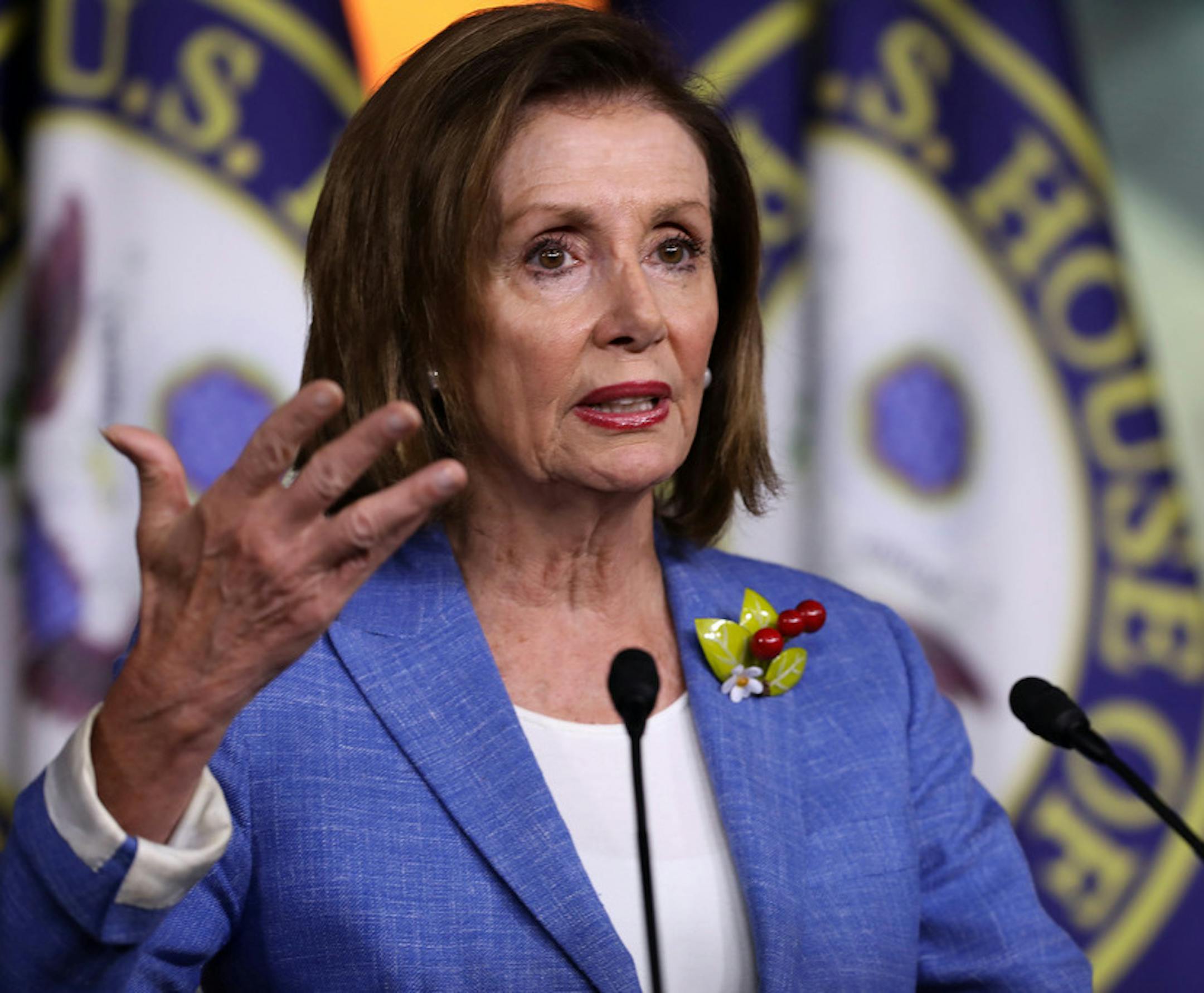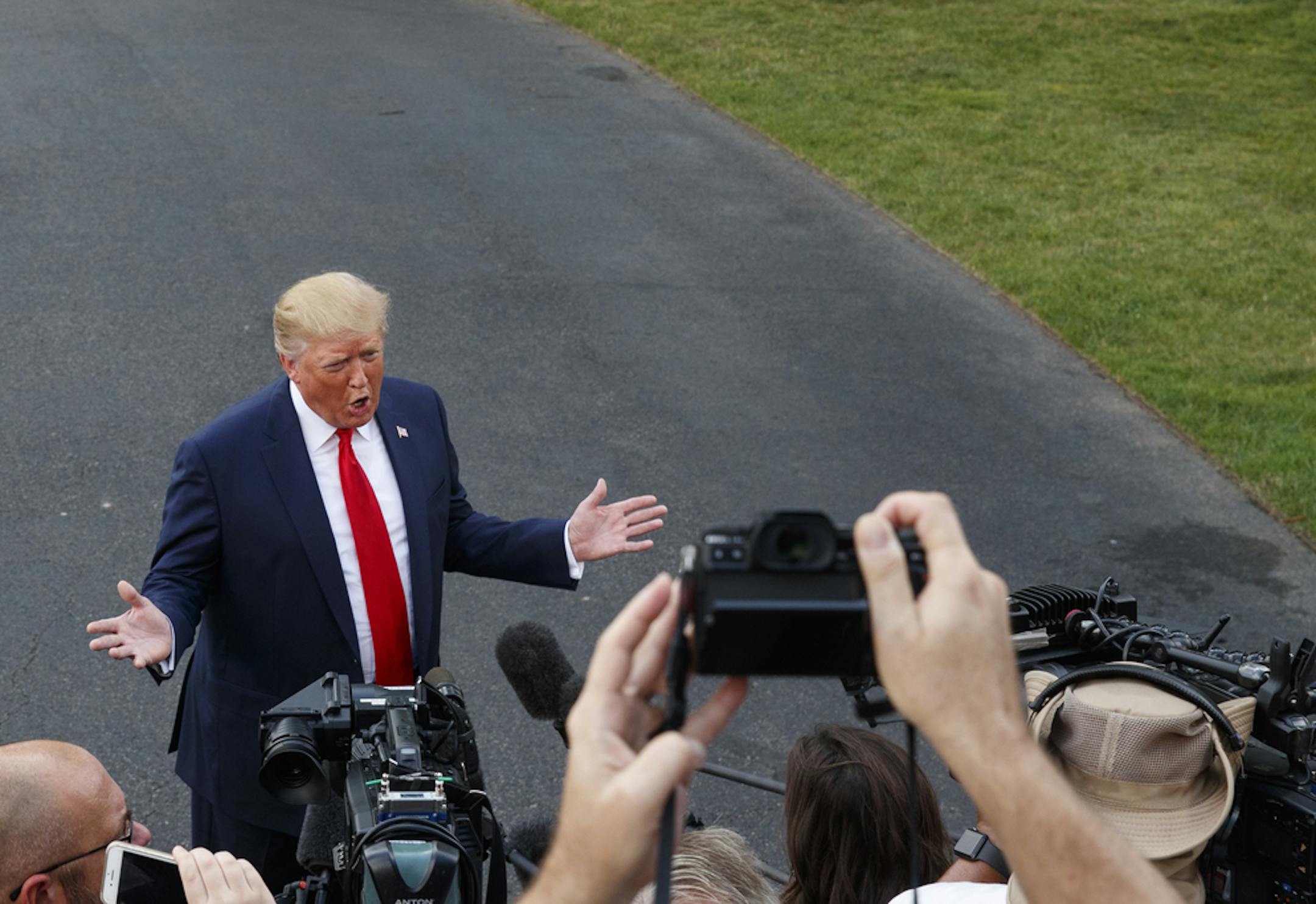
President Donald Trump's budget deal raises the U.S. government's debt ceiling and spending caps. Trump and House Speaker Nancy Pelosi have been the architects. The deal has also been supported by key congressional leaders.
The bipartisan budget proposal, which is headed to Trump's desk after passing the U.S. House on July 7 and gaining Senate approval last week, raises federal spending by $320 billion in 2020 and increases the debt ceiling through July 2021, after the next presidential election.
The plan passed into law will increase the annual deficit and long-term federal debt. Including the new legislation, $4 trillion has been added on Trump's watch, according to an analysis prepared by Forbes Magazine contributor Chuck Jones in July.
To add some perspective: In 2013, the Bipartisan Budget Act raised spending by $62 billion. In 2015, federal spending increased by $80 billion. In 2018, the increase hit $300 billion. Some deficit and debt watchers say this two-year budget may be the worst budget deal ever and represents a bipartisan "abdication of responsibility."
The federal debt is the total amount of money that the U.S. government owes, either to its investors or to itself. Today, our long-term federal debt is a record high $22 trillion — and growing daily. The federal debt as a share of the U.S. economy is the highest it has been since just after World War II.
American leaders of yesteryear knew how to reduce debt. For example, the federal debt has spiked during every war over the past 230 years; however, it was always paid down afterward. After the Civil War, for example, the U.S. government ran surpluses 28 years in a row, causing debt to plunge from 31% of GDP down to 7%.
In the 1990s in Canada, a left-of-center government imposed and sustained significant spending cuts to avert an economic disaster — something that ought to be evaluated as a model for America.
The Canadian story has a favorable ending because elected leaders made tough decisions to reduce spending for defense, business subsidies, farm aid, welfare, grants to lower governments and elimination of some federal jobs, among other austerity measures. The Canadian federal debt as percentage of GDP dropped by half, to 34% by 2006. Defying Keynesian predictions, the large spending cuts revived the economy and launched an economic boom.