

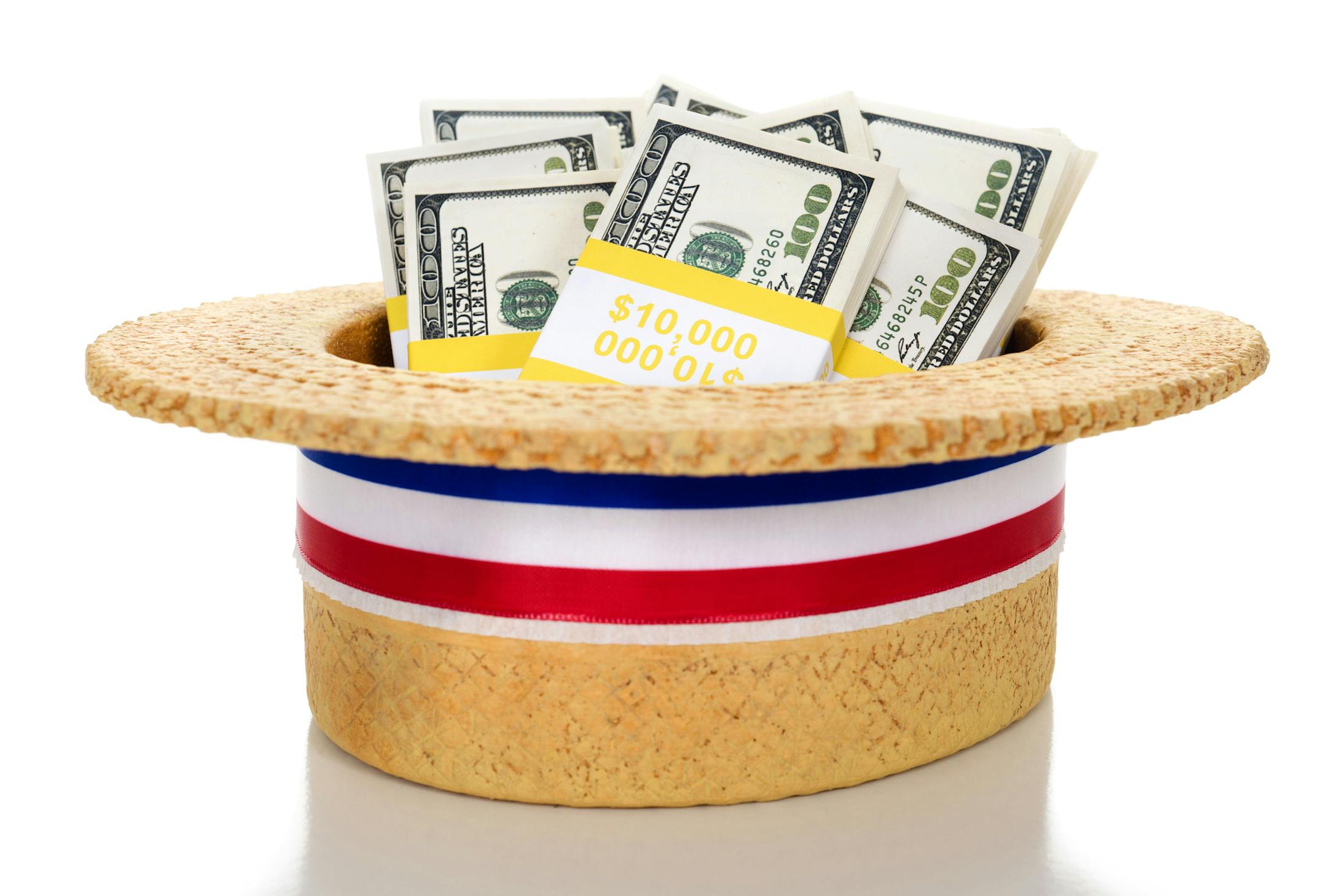
Whatever one thinks of the outcome of the 2016 elections, everyone should be dismayed by the political process. Americans were force-fed two of the most unpopular candidates ever to seek the presidency. What should concern people more than anything is that without major reforms, 2016 will be the rule, not the exception. The two-party system has become so dependent on money and sensationalist rhetoric garnering cheap headlines and social-media buzz that meaningful campaigns of substance are becoming a relic.
Campaigns today are only about winning, at any and all costs. It is easy to rail against the excesses of government — and certainly there is no shortage of fodder — but public policies tend to be rooted in some level of rationality that isn't easily dismissed. And change is harder when so many of today's campaigns build a case only for tearing down, not building up.
Despite the dismal campaigns in 2016 — at just about every level of government — Democrats and Republicans will focus their postmortems not on how better campaigns and better candidates can improve governance, but on how to further manipulate a flawed process so that they are able to maintain control.
Minnesota offers two recent examples of how partisan politics maintains control of the system. The Legislature this year voted to hold a presidential primary in 2020. While a primary opens the process to more people than the current caucuses, party bosses made sure they come out winners. In order to vote in the primary, a person will have to choose a Republican or Democratic ballot, and that choice will be made available to political operatives. This collection of names will come at taxpayer expense.
Also this year, the Legislature agreed to place a constitutional amendment on the ballot creating an independent panel to set legislators' salaries. Voters approved the amendment Nov. 8, but it's not quite the investment in citizen government that it may appear to be. As dictated by Republican and Democratic legislators, all 16 members must have ties to the two parties that control the Legislature. In what world is a commission of partisans an objective commission?
Today, it is our political systems that desperately need change. Some starting points include the following:
• Implementing ranked-choice voting. Allowing voters to rank their choices would encourage new candidates with new ideas. Election winners might not be everyone's first choice, but they would at least take office with a positive mandate. It also would ensure that the country does not elect a president — or Minnesota elect a governor — with a minority share of the popular vote.
• The two major parties need to loosen their grip on the infrastructure of politics, starting with the way in which the boundaries of legislative and congressional districts are determined. It is an inherent conflict when the incumbent legislators most affected by how their districts are defined are the ones drawing the boundaries.


