

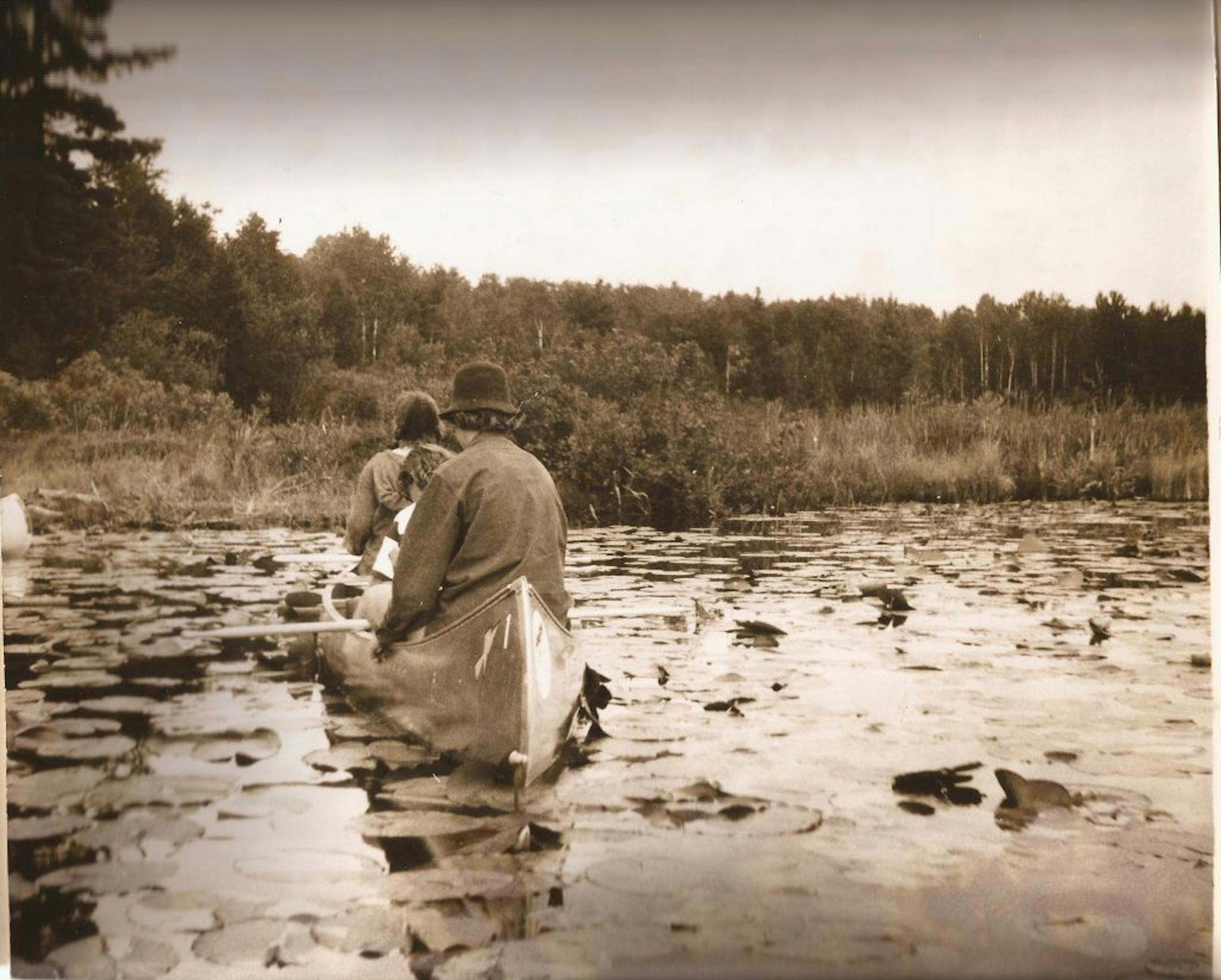
They learned that it's OK to get wet and dirty, the value of teamwork and perseverance, and the definition of a daunting phrase: "one-mile double portage." They slept under tarps, cooked over a fire and tried to catch fish with blueberries and baby snakes. They covered a lot of ground (and water) physically, and they broke ground metaphorically, making a little history up near Quetico.
Next week, about half of the two dozen graduates of the western hemisphere's first Women's Outward Bound trek will head back to Ely. Amid a few days of age-adjusted outdoors trekking, they will share their experiences then and in the ensuing 47 years.
"I was really curious about what had happened to all those women," said Maxine Davis, who organized the reunion, "who they are now, whether Outward Bound had helped shape them. It really affected my life; I don't know whether it did that for some others."
Long-lasting effects aside, it's a safe bet that spending July of 1965 in the Boundary Waters had at least some impact on teens from Minnesota, Wisconsin, South Dakota and Colorado. More than 1 million youngsters have completed an Outward Bound course. According to a Minneapolis Tribune article from that time, "Their regimen calls for 12 days of intense instruction in swimming, canoeing and campcraft. The final 16 days are spent in a wilderness canoe trip. For three days the girls, alone or in pairs, will be left alone without food to live off the land and waters of Superior National Forest."
That last stretch provided an indelible memory for Joan Elizabeth Thames, now a retired St. Paul teacher. "I was with Betty [Kilanowski], and we killed a garter snake," Thames said, "and when I cut it open, it had babies inside. We put innards in a jar to prove we had done it. And I wore the snakeskin in my hat and still have it. And we used the babies to try to fish, but didn't catch anything. Maybe that's not what fish like."
Some other campers tried blueberries as bait, said Jean Sanford Replinger, Minnesota Outward Bound's woman director and the program's progenitor. Such unusual endeavors, she added, were not only welcomed but encouraged.
"Girls are different. They don't like to put worms on hooks," said Replinger, of Marshall, Minn., "and they didn't want to be macho, and I didn't want them to. I wanted them to do it their way."
Learning ingenuity


