2:21
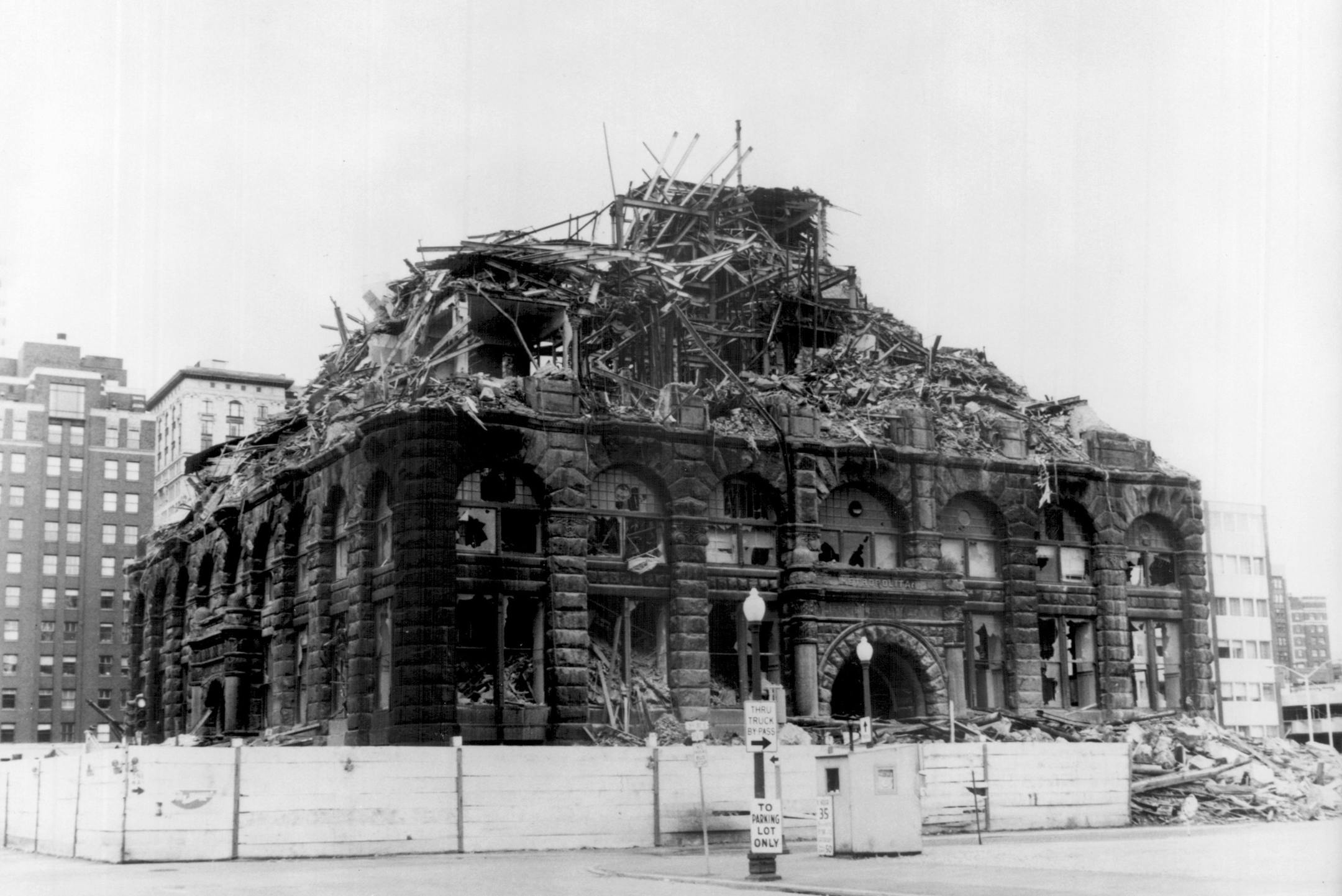
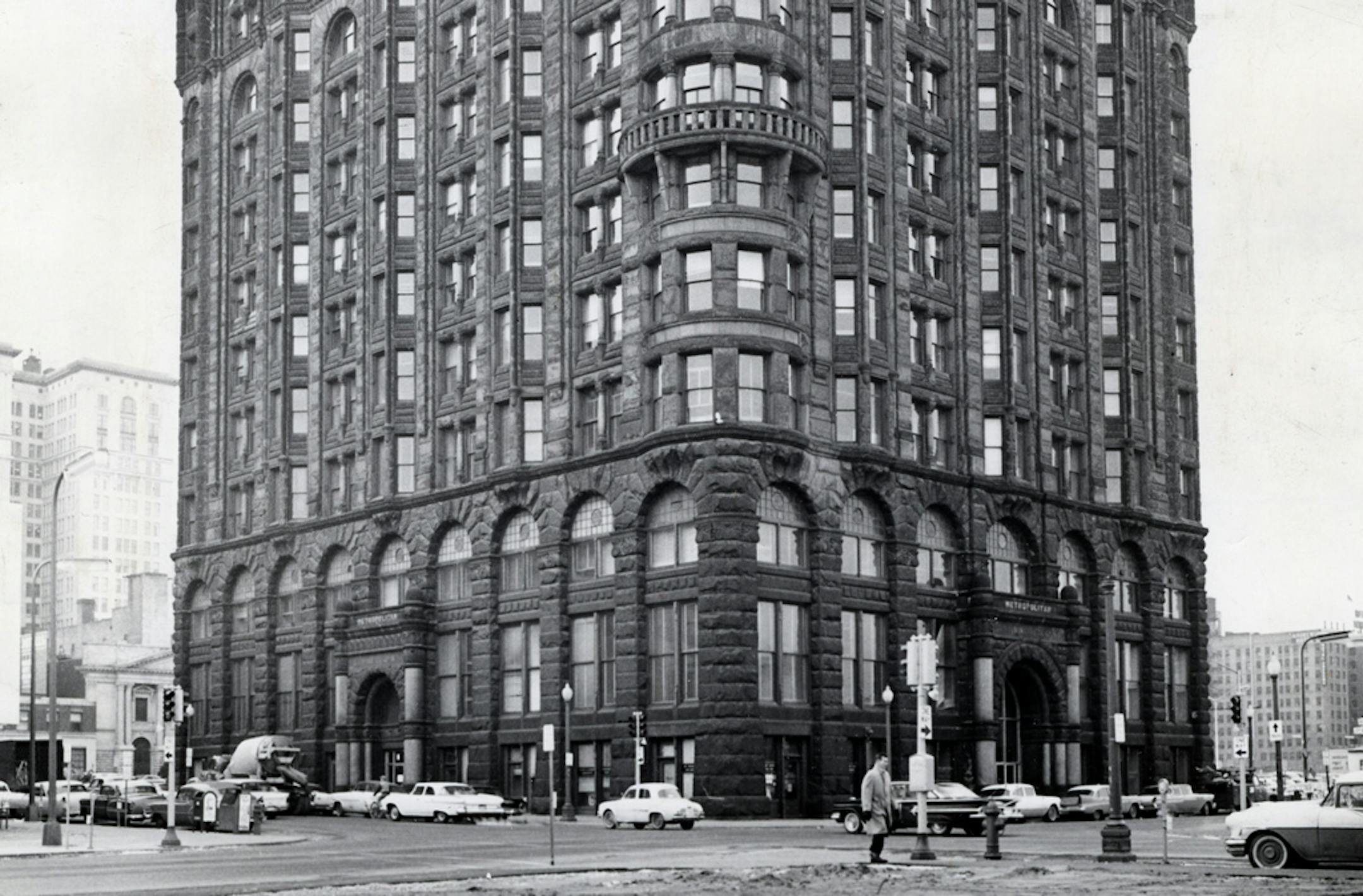
2:21It has been 50 years -- Dec. 19, 1961, to be exact -- since the wreckers took their first swing at the fabled Metropolitan Building, but the wounds to the city's psyche and skyline still seem fresh. If only we could travel back in time 121 years, to 1890, when 8,000 people, including the upper reaches of Minneapolis society, gathered to celebrate the opening of what was originally called the Northwestern Guaranty Loan Building.
It was billed, correctly, as the largest, most lavish office building in the Northwest, and it was a study in contrasts, with its ponderous stone exterior masking a breathtaking interior atrium. Sunlight, pouring in from an enormous skylight, shimmered through green glass-block floors and bathed the soaring space in an aquatic, cathedral-like glow.
"The most profound experience we had was the privilege of walking into the Metropolitan Building and witnessing one of the most exciting spaces we had ever seen," is how the editors of Progressive Architecture magazine, aghast at the prospect of the building's impending destruction, described the Met's light court in 1960.
The Met's demolition is considered by some to have paved the way for a more preservation-conscious Twin Cities. If not for the outcry that followed its unnecessary destruction, would beloved architectural treasures -- Landmark Center in St. Paul, Butler Square in Minneapolis -- still be standing?
Ahead of its time
Stylistically, the Metropolitan was a trendsetter. The light court's filigreed grillwork presaged the Art Nouveau movement by a decade. Six manually operated birdcage-style elevators and their machinery were open for all to see, a delicate form-follows-function solution. And the sweetness and light of that thrilling 11-story atrium, which architect E. Townsend Mix gift-wrapped -- for maximum contrast -- in a hulking, rough-hewn facade, was ahead of architecture's Brutalist movement by several generations.
The first three floors boasted 4-foot-thick exterior walls of green New Hampshire granite. Red Lake Superior sandstone, quarried near Houghton, Mich., trimmed the upper nine floors, where the exterior walls slimmed to 2 feet. Hallways were lined with 7-foot-high Italian marble wainscoting and doors and windows were trimmed in a veritable forest of irreplaceable old-growth oak.
The open-air rooftop garden and observation tower were tourism magnets for more than a quarter-century. Gibbs' Restaurant initially occupied much of the 12th floor, where 50 cents bought a multi-course dinner served on Haviland china by tuxedo-clad waiters. Its owner was Jasper Gibbs, an African-American, and the Minneapolis Tribune described the rooms of his sumptuous restaurant as "marvels of comfort, elegance and convenience," the "largest, finest restaurant west of Chicago." (The space later housed Pillsbury's baking labs).