

Computers have pushed aside paper ledgers and quill pens. Office windows that used to frame bucolic scenes of grazing cows now look onto streets bustling with city traffic. Employees nowadays are far more likely to hold advanced degrees and far less likely to wear bowler hats. Dollar sums that once seemed a fortune now look more like your average cell-phone bill.
Workplaces, in other words, have changed in the century-plus since some of this year's Top Workplaces started doing business. The companies have switched tools, locations and, in some cases, even whole business models. But their values and goals remain relatively constant, company representatives say, along with the employees' commitment that propelled them from the 19th century into the 21st.
Two workplaces began as orphanages, for example, but are now doing something else entirely: Washburn Children's Center serves children with social, emotional or behavioral problems, and Ecumen serves seniors. "Whether providing a home for orphaned children, or now providing an array of senior services, we've really stayed connected to that mission of creating home," said Eric Schubert, Ecumen's vice president of communications and public affairs.
Cargill, which began as a single grain-storage facility in 1865 and now does business around the world, focusing not just on agricultural commodities such as food, but also for manufacturing substances used in paint, adhesives and couch-cushion stuffing. An early Cargill president wrote that "our word is just as good as our bond," said Jennifer Johnson, the company's associate archivist. "Cargill's still committed to its business ethics and how we act and perform, not just in the U.S. but in every country around the world."
Superficial details have changed since the Volunteers of America-Minnesota opened in 1896, said President and CEO Paula Hart. Employees used to wear military-style uniforms, and one early VOA leader, among the first Minnesotans to earn a master's degree in social work, would don hers on Friday nights and hit the bars -- to pass a hat for donations.
Today's employees are no less dedicated, Hart said. "They're tackling some of the toughest issues people have in life, doing hard, gritty work and finding great fulfilment in doing it."
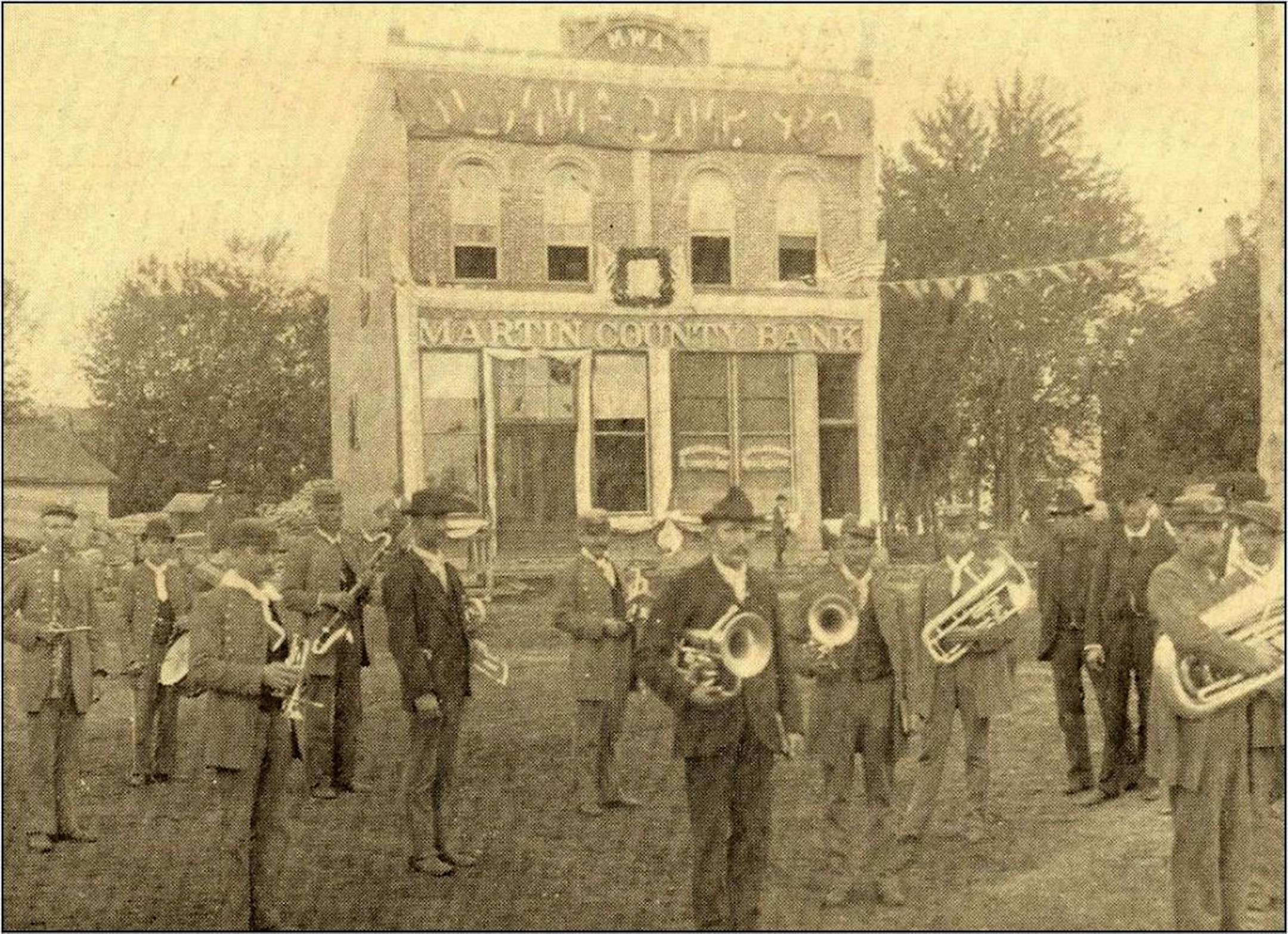
Profinium Financial shares the goal of helping people, in a somewhat different way. The Fairmont-based financial services company began as the Martin County Bank in 1875. Founder Albert L. Ward invested $700 for a two-story, clay-brick structure "roughly the size of our [current] teller line," said Michael W. Riley, Profinium's chief retail and marketing officer. Helping celebrate its opening were a marching band of employees lined up in suits and bowler hats.
Today's employees dress a little differently, but they're still "trying to help people achieve their dreams," said Fred W. Krahmer, a Profinium owner and history buff.


