After decades of hype and doubt, giant factories that can pull thousands of tons of carbon dioxide out of the atmosphere are starting to spin up.
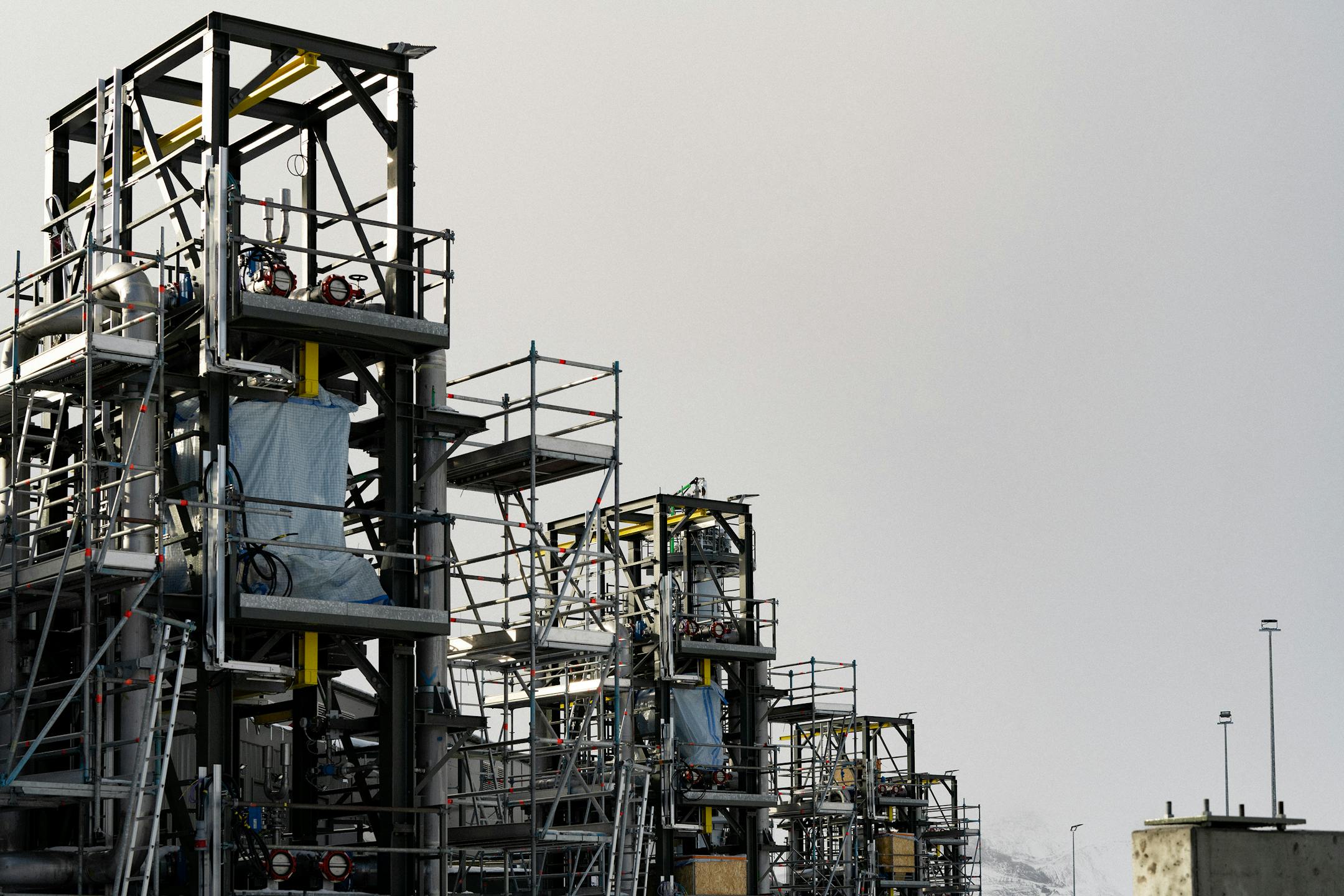
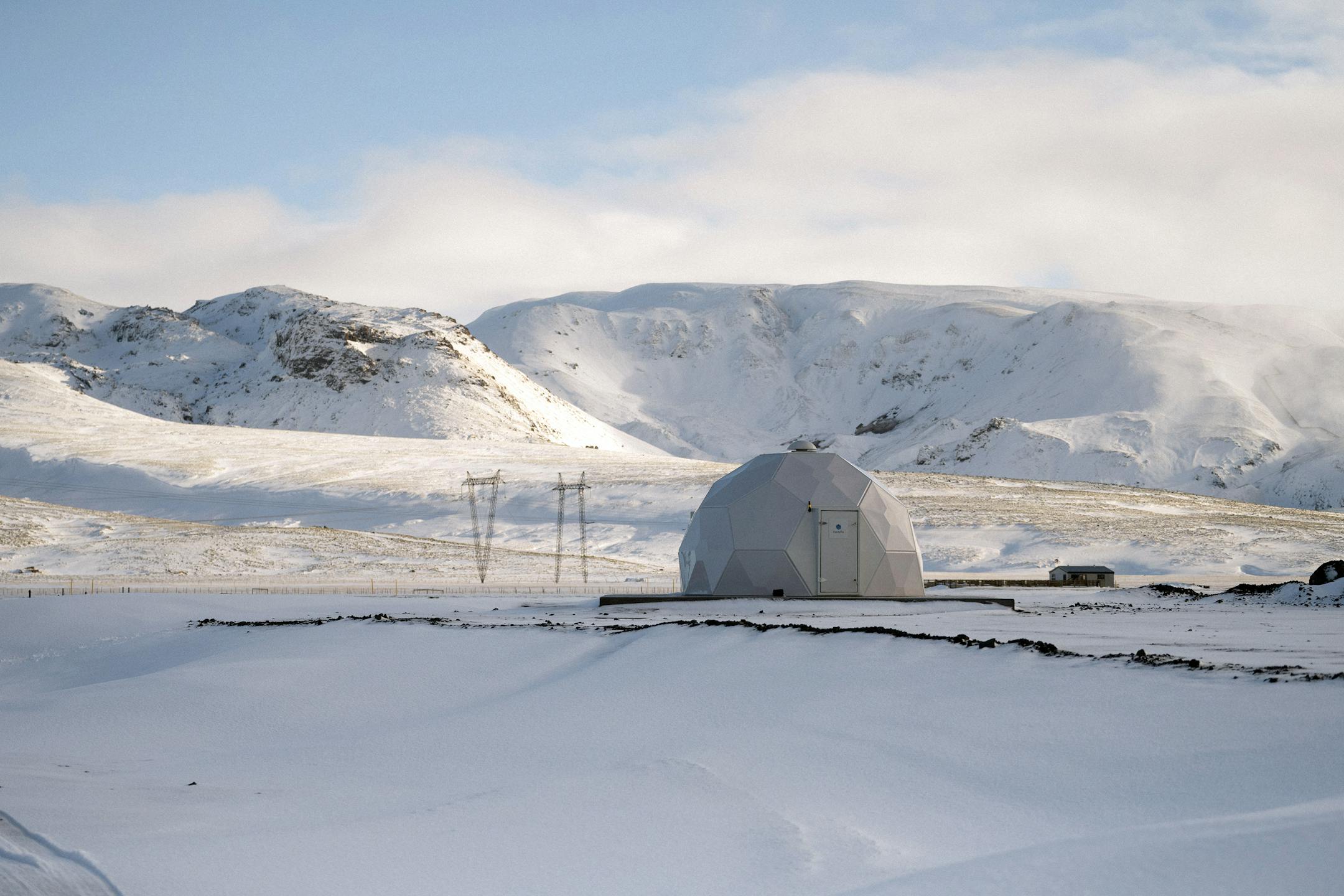
Climeworks, a Swiss start-up, opened the biggest carbon absorbing plant in the world on May 8 in Hellisheidi, Iceland. Dubbed “Mammoth,” the plant is designed to remove 36,000 metric tons of carbon each year, the equivalent of taking 8,600 cars off the road.
That makes the new plant nine times bigger than the previous record-holder, the Climeworks “Orca” plant, which opened in Iceland in 2021 — though still tiny given the millions of tons of carbon experts say the world will need to pull out of the air to limit warming to 2 degrees Celsius this century.
But Mammoth shows that the industry is starting to grow beyond pilot plants and lab demonstrations. “It’s a drop in the bucket, but it’s a much bigger drop in the bucket than any we’ve seen so far,” said Klaus Lackner, who heads the Center for Negative Carbon Emissions at Arizona State University.
How Mammoth works
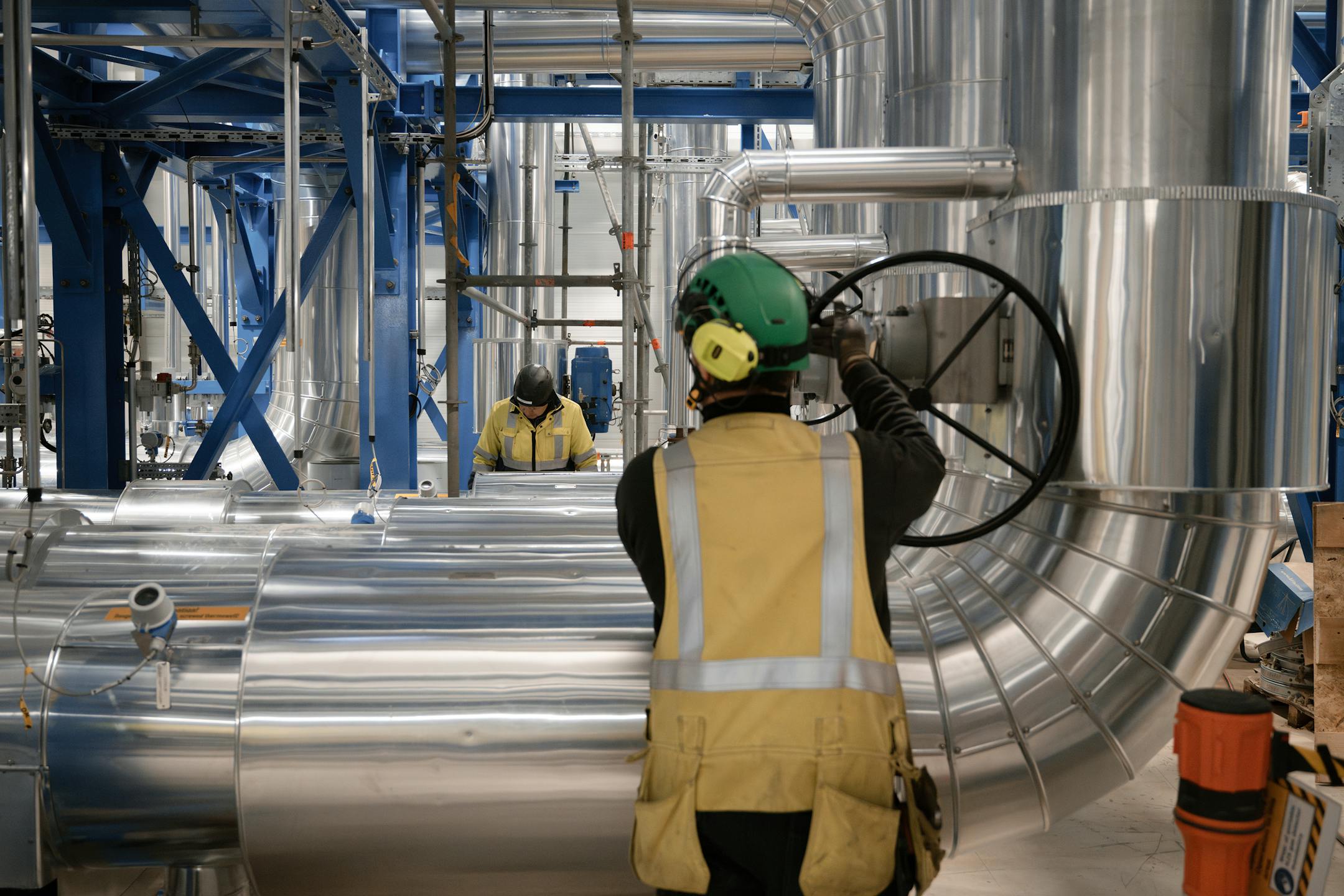
The Climeworks Mammoth plant is basically a giant air filter. Fans pull air through a series of filters designed to catch stray CO2 molecules, which make up a tiny share of air’s mass — just 0.04 percent. Then, another company called Carbfix mixes the CO2 with water and pumps it deep underground, where it reacts with basalt rock and turns into stone.
The entire process runs on Iceland’s plentiful geothermal energy, so powering the machines doesn’t produce more carbon emissions. Outside scientists confirmed that the Climeworks Orca project and an earlier pilot plant really do remove carbon while producing very few emissions in a 2021 analysis published in Nature.
Climeworks then sells offsets based on that captured carbon. It doesn’t publicly say how much it charges its big corporate customers, including Microsoft, Shopify and Stripe, for the service — but it offers regular people carbon removal subscriptions at a price of $1,500 per metric ton of carbon removed. More than 20,000 people have signed up, according to the company’s website.
“The only people purchasing Climeworks removals at this point are very wealthy individuals or very wealthy companies that are … paying a lot of money to bring down the costs of what they see as a potential future industry,” said Rudy Kahsar, manager of carbon dioxide removal at the clean energy think tank RMI.