

The best way to begin to repair the damage wrought by our nation's troubled racial history is to dump the politically toxic word "reparations."
Even casual students of history know that black Americans were first legally then systemically disadvantaged by slavery, Jim Crow, discrimination and segregation, and that those disadvantages resulted in a national wound that has yet to heal and seems unlikely to heal on its own.
We must — we should — use our resources to attempt to remediate the undeniable damage done by this uniquely awful legacy. Even those of us whose ancestors arrived here well after abolition and who have ourselves advocated for racial equality owe a debt to those from whose subjugation we benefited.
Problem is, the word "reparations" generates more heat than light these days. It conjures up the image of a white working-class family dipping into their meager savings to write a personal check to Oprah Winfrey, and it implies the acceptance of cultural culpability that many people don't feel.
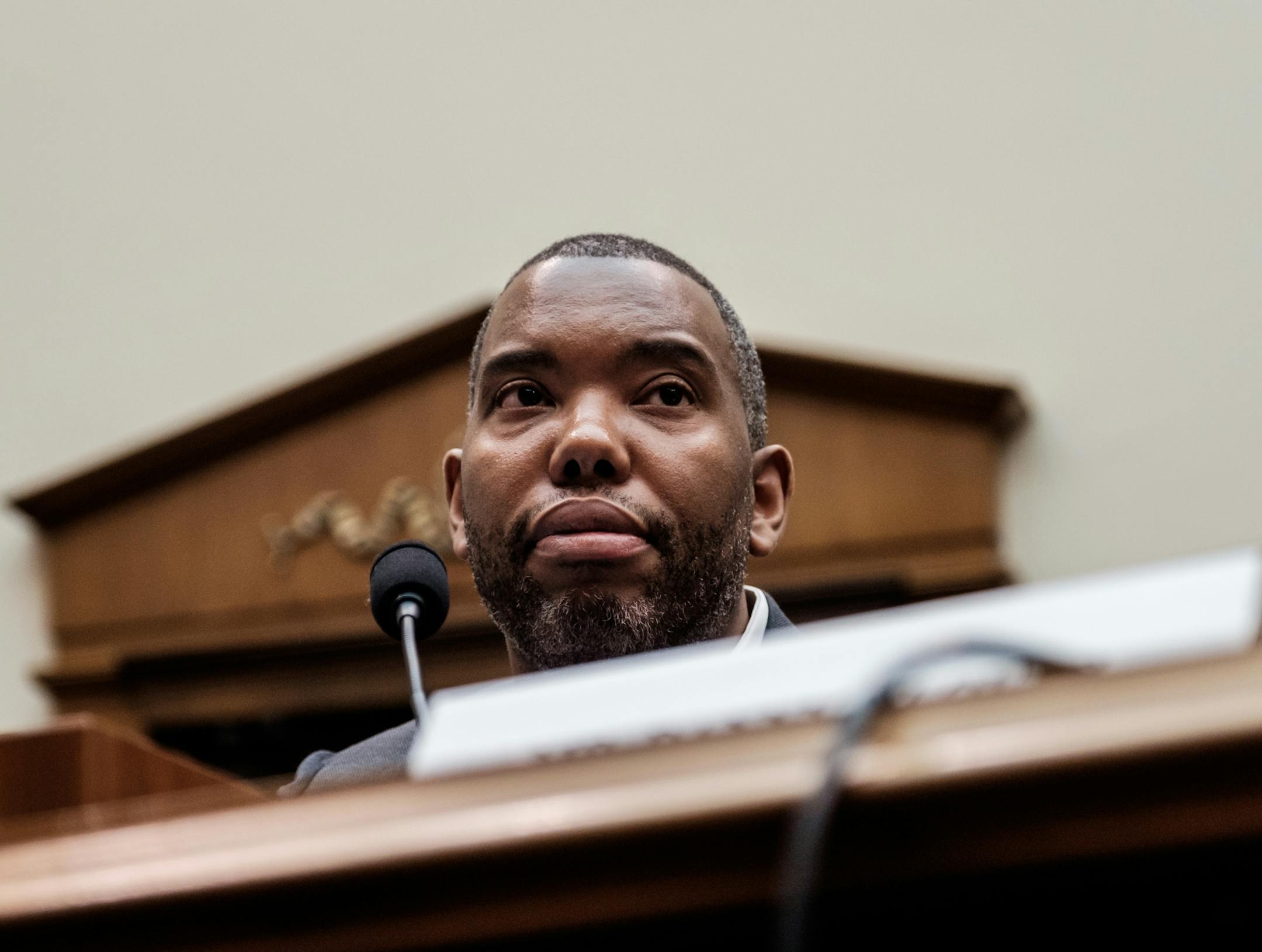
On June 19, the House Judiciary Subcommittee on the Constitution, Civil Rights and Civil Liberties held a hearing on a bill that calls for a commission to "study and develop reparation proposals for African Americans."
Such proposals are still vague and include Marshall Plan-style efforts to rebuild blighted inner-city neighborhoods, robust jobs programs for unemployed African-Americans and significant targeted investment in education at all levels for African-Americans.
But in the absence of specifics, the most prominent proposal associated with "reparations" is some form of cash payment to descendants of slaves, a political nonstarter:
• A 2015 Kaiser Family Foundation/CNN survey of nearly 2,000 adults found 77% overall opposition to the government making such payments.


