

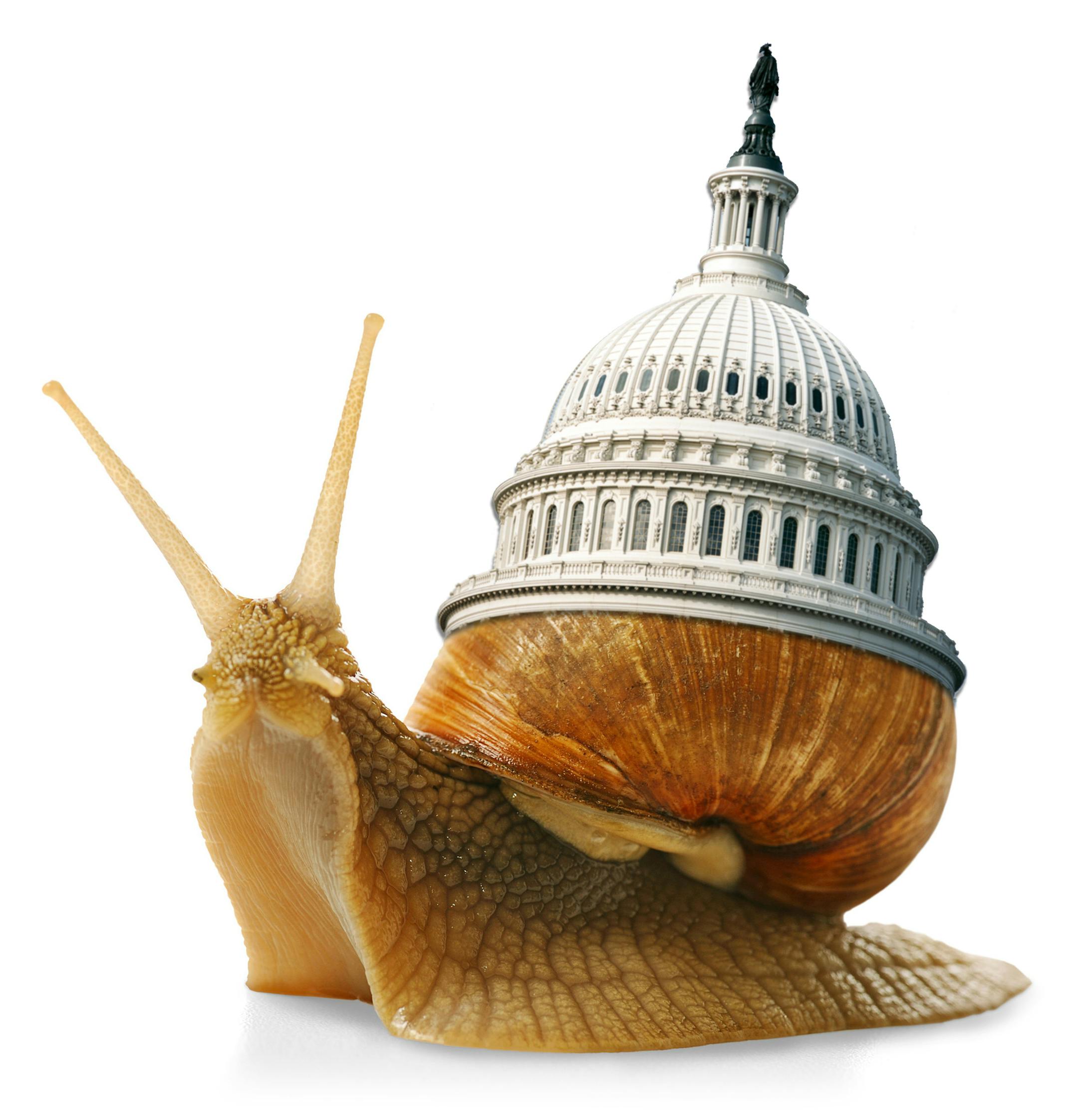
Much is wrong with Washington these days, including much of what is said about what is wrong. Many Americans say there is "too much politics" in Washington. Actually, there is too little. Barack Obama deplores "politics as usual" here. But recently Washington has been tumultuous because politics, as the framers understood it, has disintegrated. Obama has been complicit in this collapse.
His self-regard, which has a certain grandeur, reinforces progressivism's celebration of untrammeled executive power and its consequent disparagement of legislative bargaining. This is why Obamacare passed without a single vote from the opposition party.
Obama and his Tea Party adversaries have something important in common — disdain for the practice of politics within the framers' institutional architecture. He and they should read Jonathan Rauch's "Rescuing Compromise" in National Affairs quarterly.
"Politicians," Rauch notes, "like other people, compromise because they have to, not because they want to." So James Madison created a constitutional regime that by its structure created competing power centers lacking the power to impose their will on the others.
The Madisonian system, Rauch says, is both intricate and dynamic: "Absent a rare (and usually unsustainable) supermajority, there is simply not much that any single faction, interest, or branch of government can do. Effective action in this system is nothing but a series of forced compromises."
Rep. Tom Cole, who represents southwest Oklahoma and has a Ph.D. in British history and studied at the University of London, says some of his colleagues in the House of Representatives "think they are in the House of Commons." That is, they have not accepted the fact that, in the Madisonian system, legislative and executive powers are separated.
By this separation, Rauch writes, Madison built "constant adjustment into the system."
"Forcing actors to bargain and collaborate slows precipitous change while constantly making negotiators adjust their positions. … The requirement to bargain and find allies provides new ideas and entrants with paths into politics and ways to shake up the status quo. But that same requirement prevents upheaval by ensuring that no one actor can seize control, at least not for long."


