

Something happened this summer in the wake of the killing of George Floyd, and maybe only history will be able to fully explain what it was.
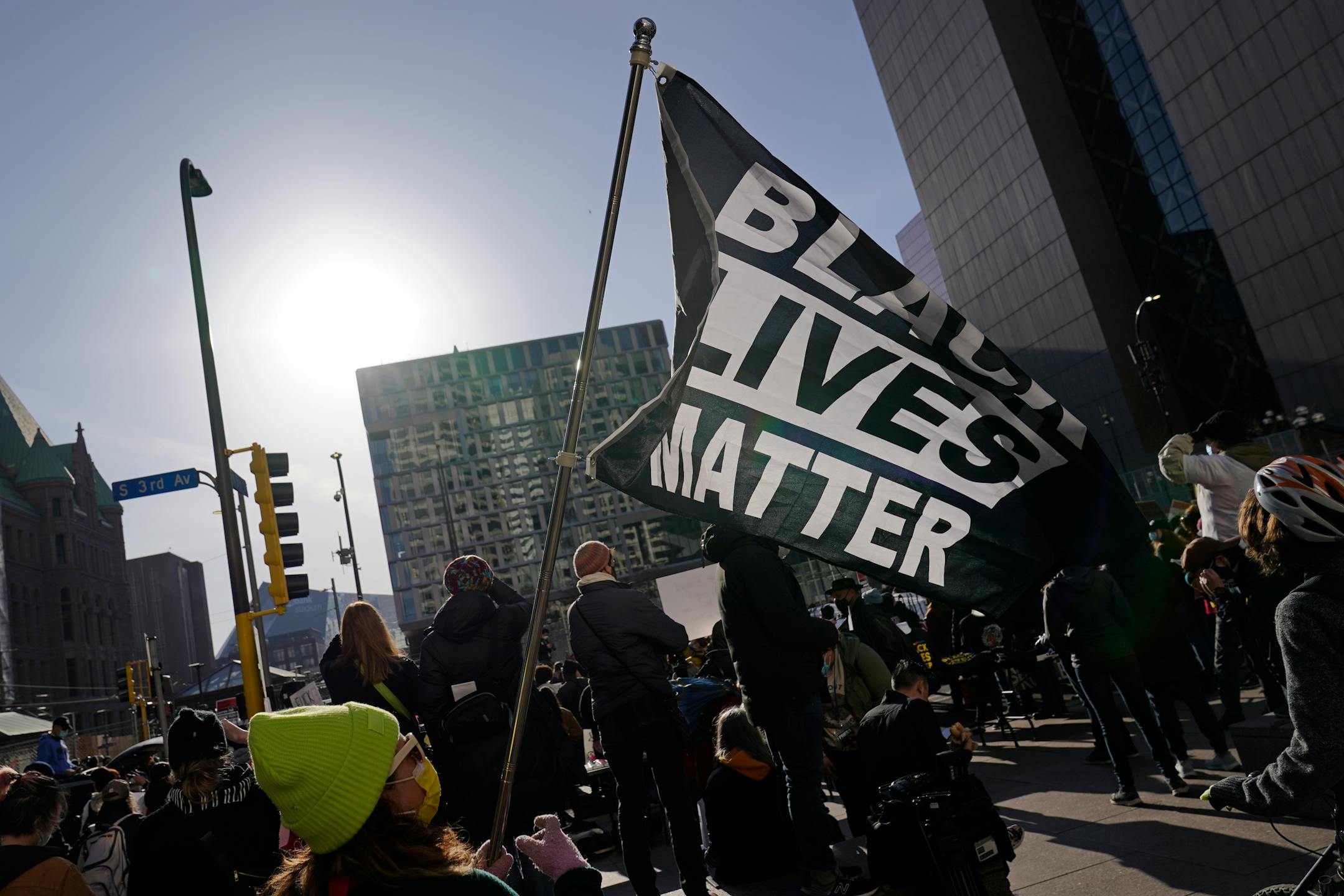
Millions of Americans — many of them white — poured into the streets to demand justice and assert that Black Lives Matter. It's clear now that the summer protests, which took place during a pandemic during which congregation was discouraged, were for some participants less a sincere demand for justice than they were a social outlet.
As some semblance of normal life began to inch back, enthusiasm for the cause among whites quickly grew soft, like a rotting spot on a piece of fruit.
As FiveThirtyEight has noted, support for Black Lives Matter "skyrocketed" after Floyd was killed, but much of that support ended sometime before Jacob Blake was killed in Kenosha, Wis., three months later. As the site put it about polling around the time of Blake's killing:
"About 49 percent of registered voters said they supported the movement, compared with around 38 percent in opposition — similar to BLM's net approval before Floyd's death. That drop in popularity has largely been driven by increased opposition among white Republicans (80 percent of whom oppose the movement, higher than before Floyd's death) and white independents (who now support BLM at similar levels as before Floyd's death)."
Furthermore, a USA TODAY/Ipsos Poll released Friday found that just 28% of white Americans believe that what happened to Floyd was murder. That was down from 55% in June.
The backlash didn't just occur on a personal level, it was also expressed through policy, as Republican legislators across the country moved quickly to guard their power. As the Pew Charitable Trusts observed last month:
"Republican legislators in Florida and 21 other states are considering tough new penalties for protesters who break laws. As in Florida, some of the bills also would prevent localities from cutting police budgets and give some legal protection to people who injure protesters."


