

A biotech graduate student whose résumé includes internships at Cargill and German chemical giant BASF, James Christenson hopes to graduate from the University of Minnesota in about a year.
If he's like most of his classmates, Christenson will find more and better job openings in biotech centers far from home.
Despite its prominence in the medical devices world, Minnesota doesn't stand as tall in the emerging field of biotech, where discoveries in green energy, stem cells, cloning and agriculture are creating new industries.
Overshadowed by dynamic hubs elsewhere — Boston and San Francisco loom large — Minnesota sends some of its brightest biotech talent away.
"For me, this is home," said Christenson. "I really would like to stay here."
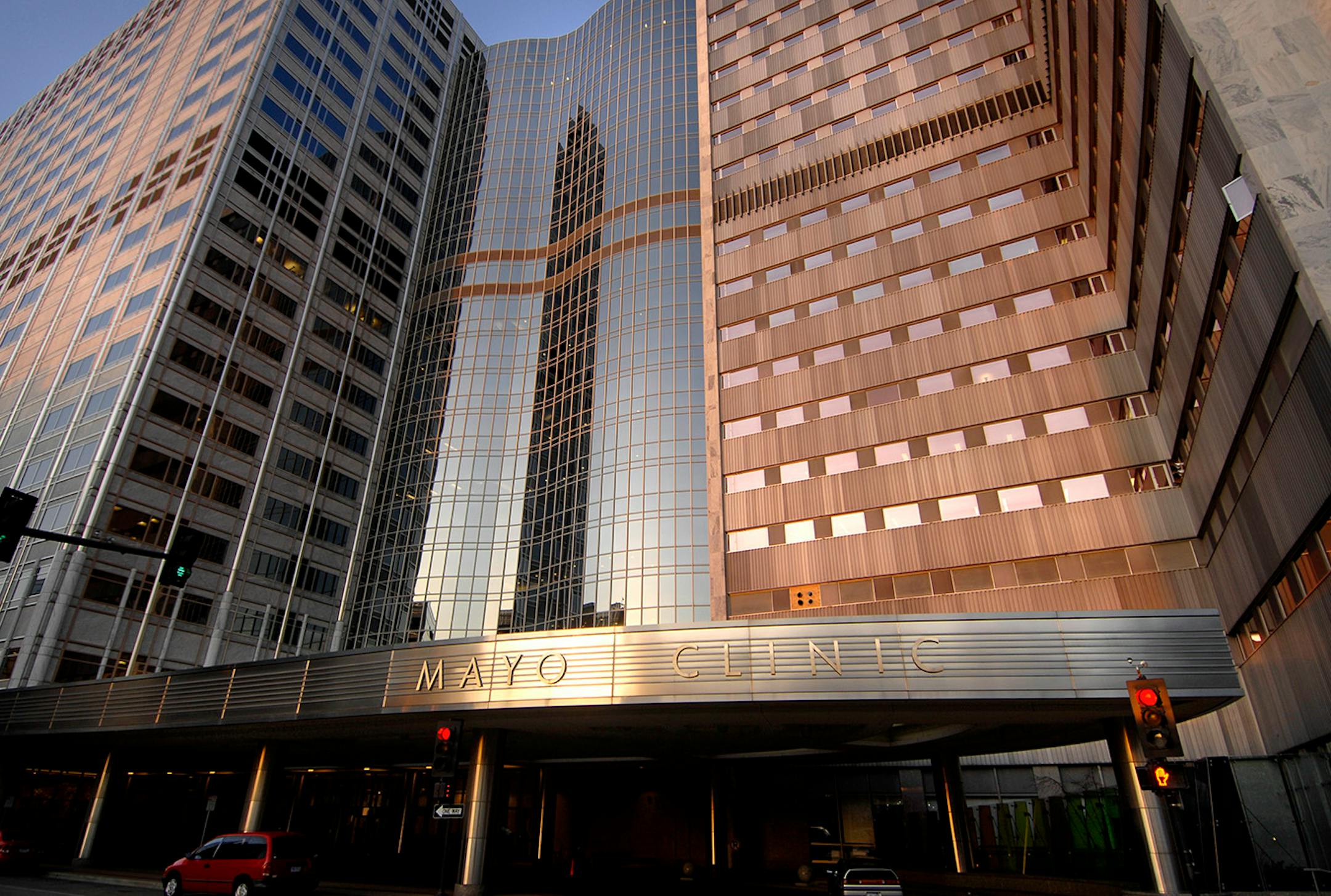
In Rochester, city officials and others are hoping to turn that exodus into an influx of promising biotech researchers and companies. Central to that effort is Destination Medical Center, the ambitious, 20-year, multibillion-dollar plan to remake the Mayo Clinic and the city itself into a global hub for health care and medical research.
At the project's core is a pledge to grow new businesses and create tens of thousands of new jobs. There have been early successes, and Mayo officials say more projects, not all biotech, are in the pipeline.
But they also warn that the nature of biotech companies means it could take years, not months, to develop.


