A few years ago, one of my dogs bit a woman in the park. It wasn't Angus — Angus has never bitten anyone, has never even tried. But that one bite — minor as it was — changed the way I look at dogs, and it has made me scrupulously careful.
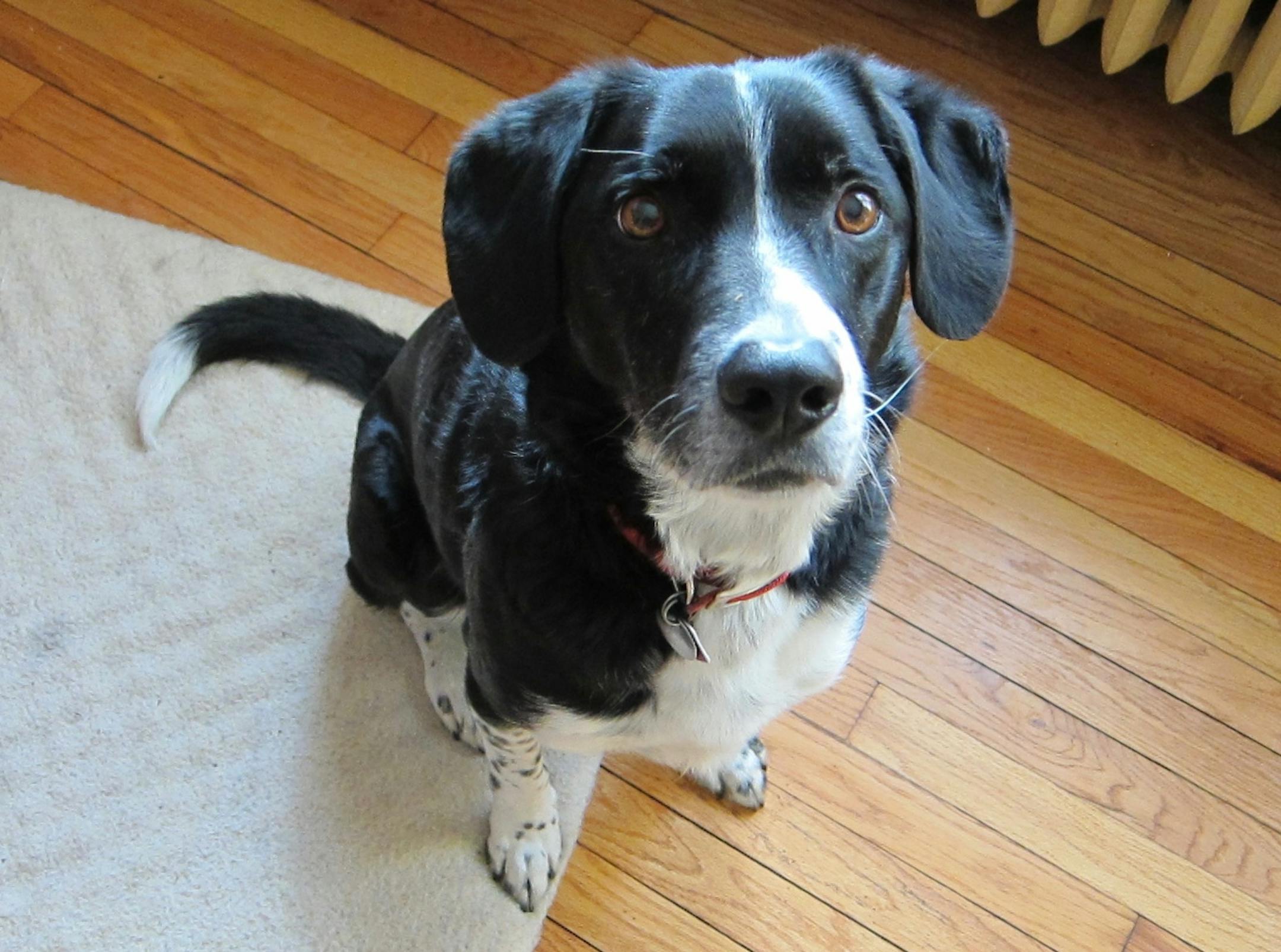
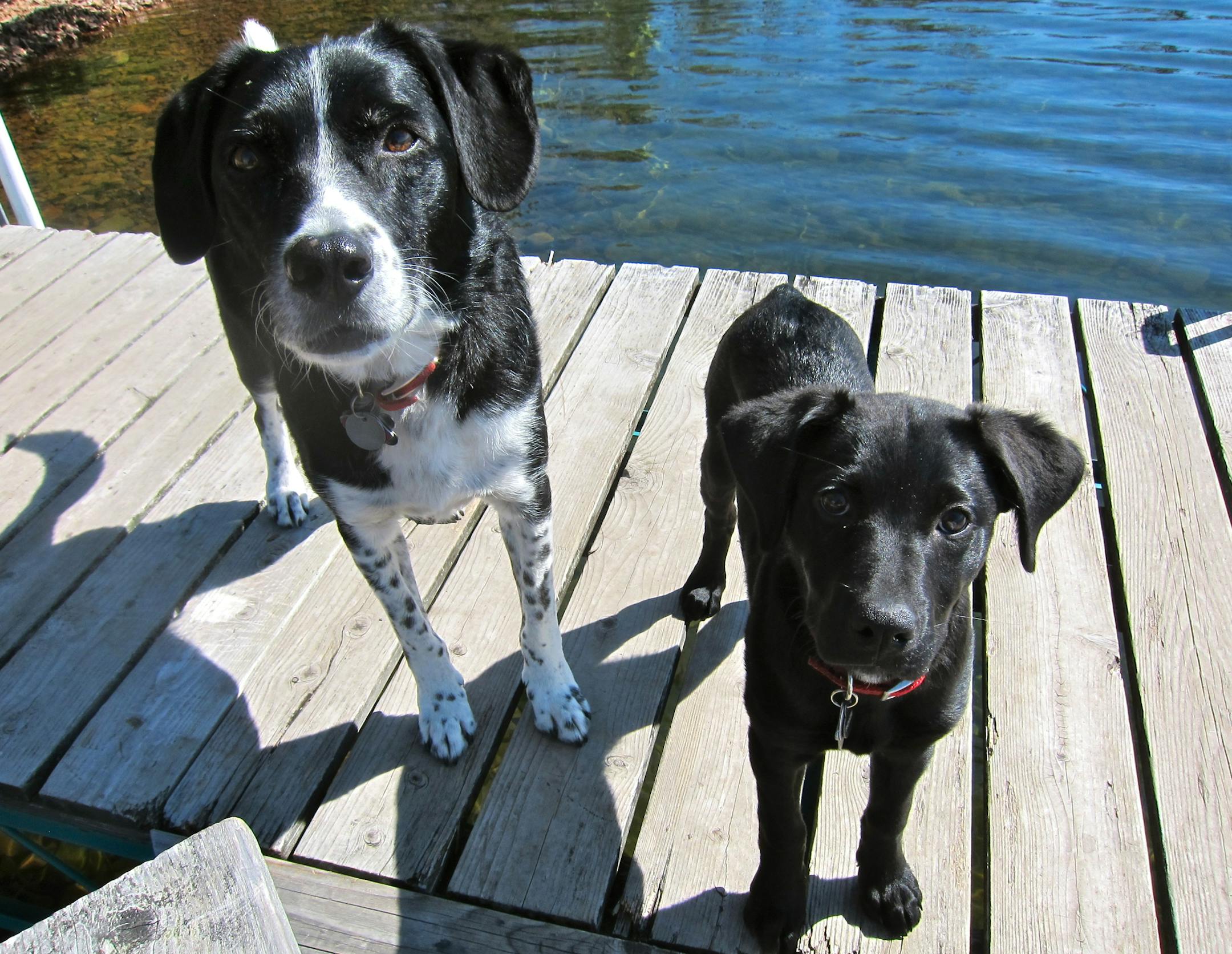
Riley, who died two years ago, was Angus' doppelgänger. They looked so much alike that when we brought puppy Angus to our vet the first time, the vet started laughing. "I guess you have a type," he said. Both dogs were black and white, with a white stripe on the snout and speckly legs.
And both dogs were skittish. While Angus barks at people and dogs who get too close, Riley used to sometimes lunge at whatever startled him: bicycles, in-line skates, vacuum cleaners, other dogs.
We were careful, so careful, when walking him. We perfected the Emergency U-turn. We avoided busy areas. For years and years, this was enough. But one day, when he was 13 and suffering from severe arthritis, he lunged at a bicyclist who startled him, and he bit her on the leg.
This is not a story I am proud of. I'm telling it as a cautionary tale. Skittish dogs can be unpredictable, and if they misbehave we are responsible.
I was walking Riley and Rosie on a fine morning in May 2014. We entered the crosswalk of a busy street, and a distracted driver turned her minivan right into our space. I yelled, I leapt backward, I jerked both dogs back, and we retreated safely to the curb.
So we were already rattled when a bicyclist zoomed up behind us and stopped. Riley lunged and I pulled him back, and the bicyclist yelled. "He bit me! Your dog bit me!" and she started to cry.
It was a terrible moment. I couldn't comfort her, because I was hanging onto two dogs, including one that had just bitten her. Another bicyclist rode up, looked daggers at me, produced paper and pen, and the woman and I exchanged phone numbers and e-mail addresses. Her name was Linda.