

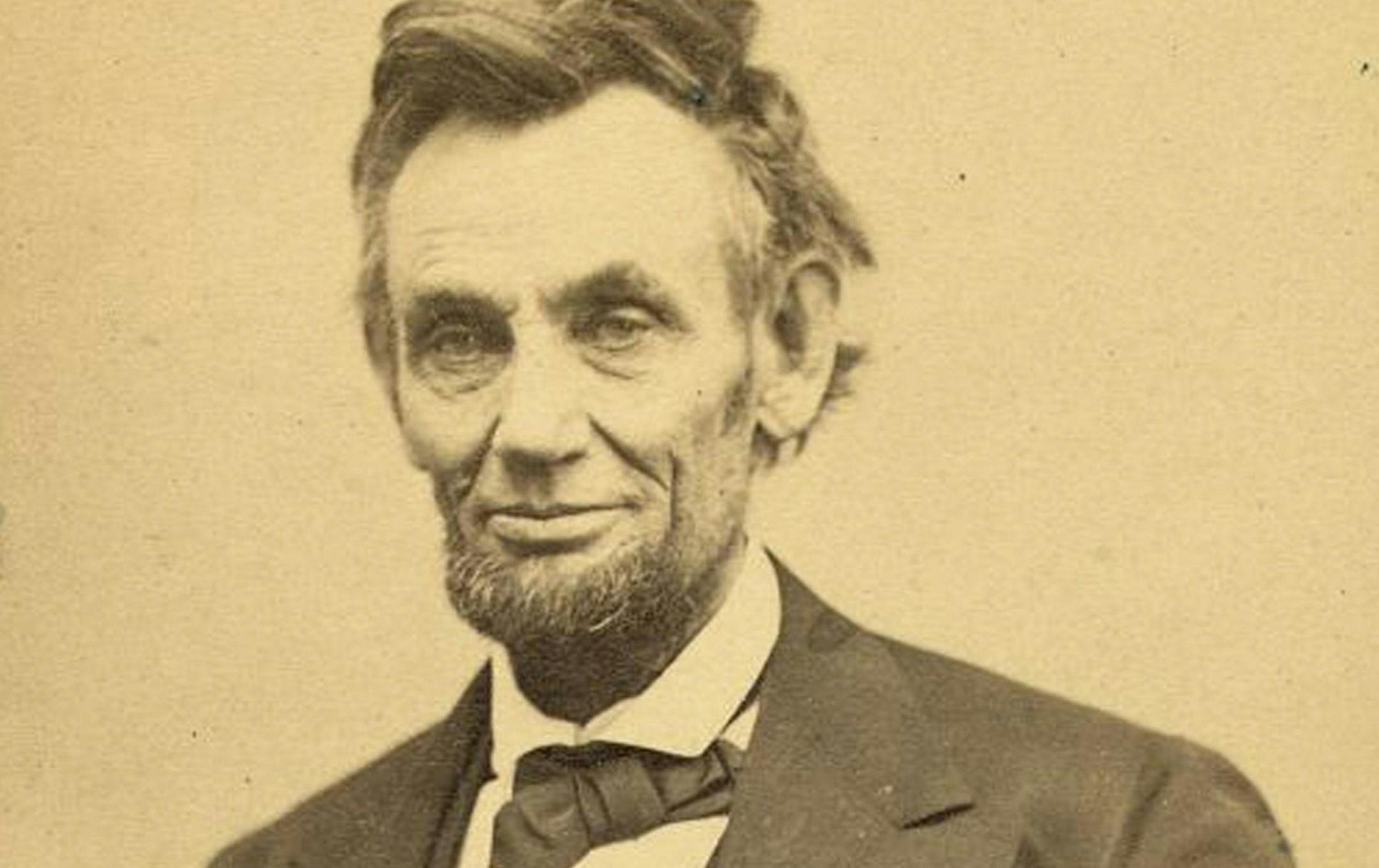
One hundred fifty years ago this month, Abraham Lincoln died, leaving an heroic legacy of tolerance and sacrifice for an exceptional American idealism — that all persons are created equal.
But inequalities remain for too many African-Americans, inequalities that began with the slavery overthrown 150 years ago by Lincoln and millions of his fellow white Americans.
Time magazine's current cover screams out the contemporary slogan: "Black Lives Matter." But behind the failures of compassionate policing is a grim reality: African-American men are disproportionately engaged in crime and thus subject to criminal justice proceedings and incarceration.
Median net worth for African-American families in 2013 was $11,000. For white families it was $141,900.
In Minneapolis (as elsewhere) African-American schoolchildren collectively do worse than students from other ethnic traditions, including very recent Somali immigrant families.
The challenges facing many African-American families seem intractable, more severe than those facing other Americans.
But the tactics of protest — marches and demands for new laws — that characterized the winning of legal equality for African-Americans are not very relevant to today's challenges.
Protests against alleged white bias won't raise levels of academic achievement for African-American students. Protests against racism among police won't lower average crime rates for African-American males.


