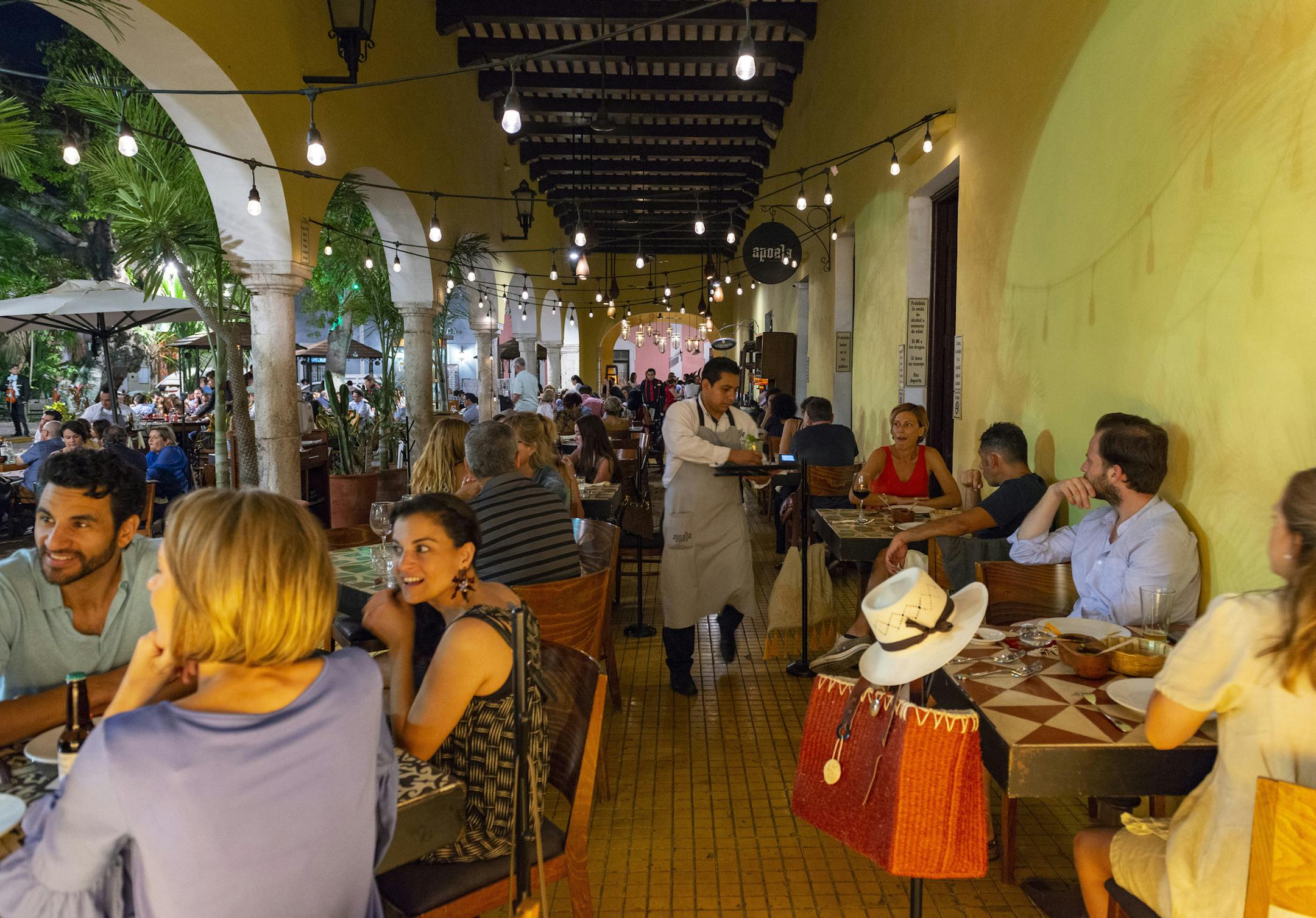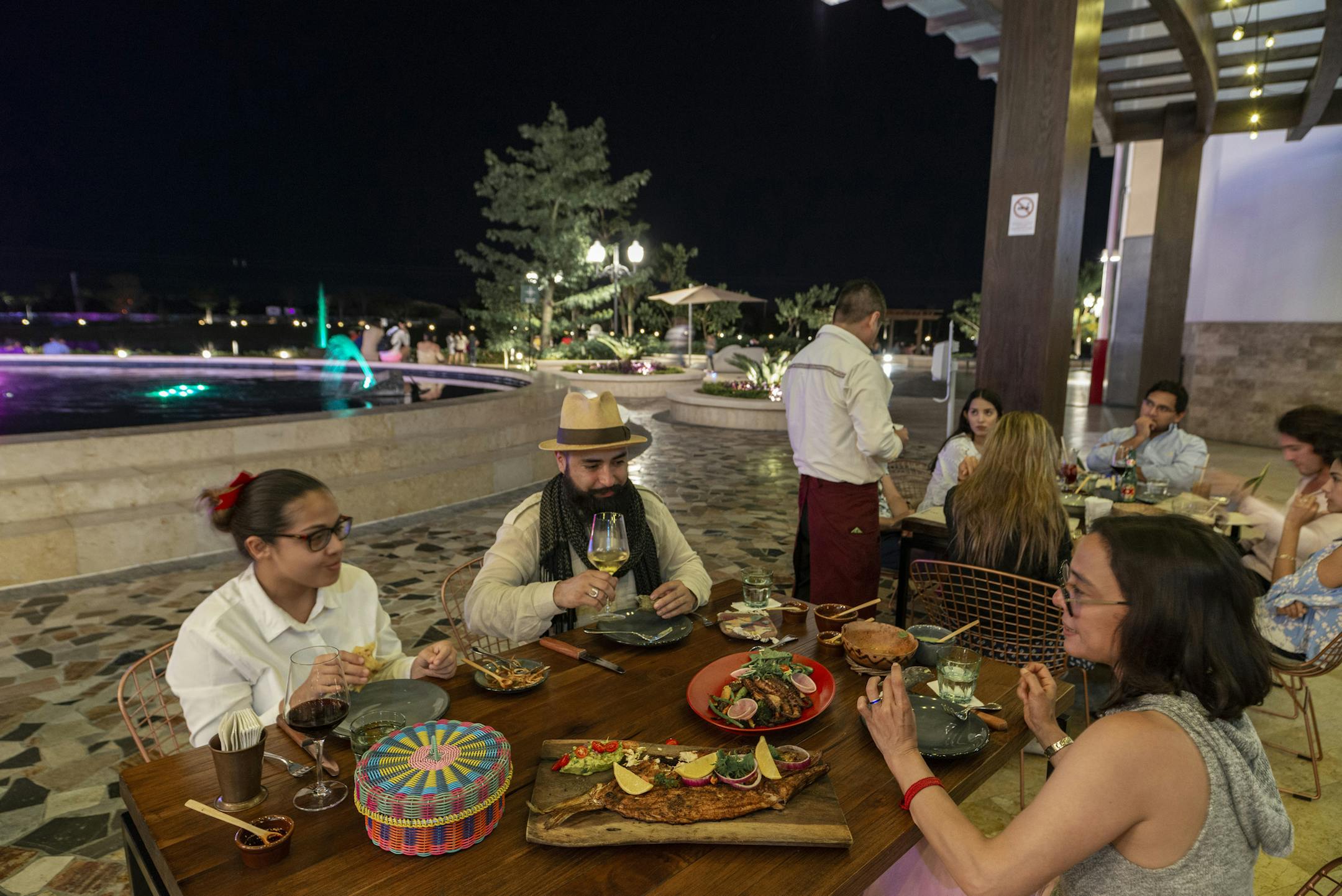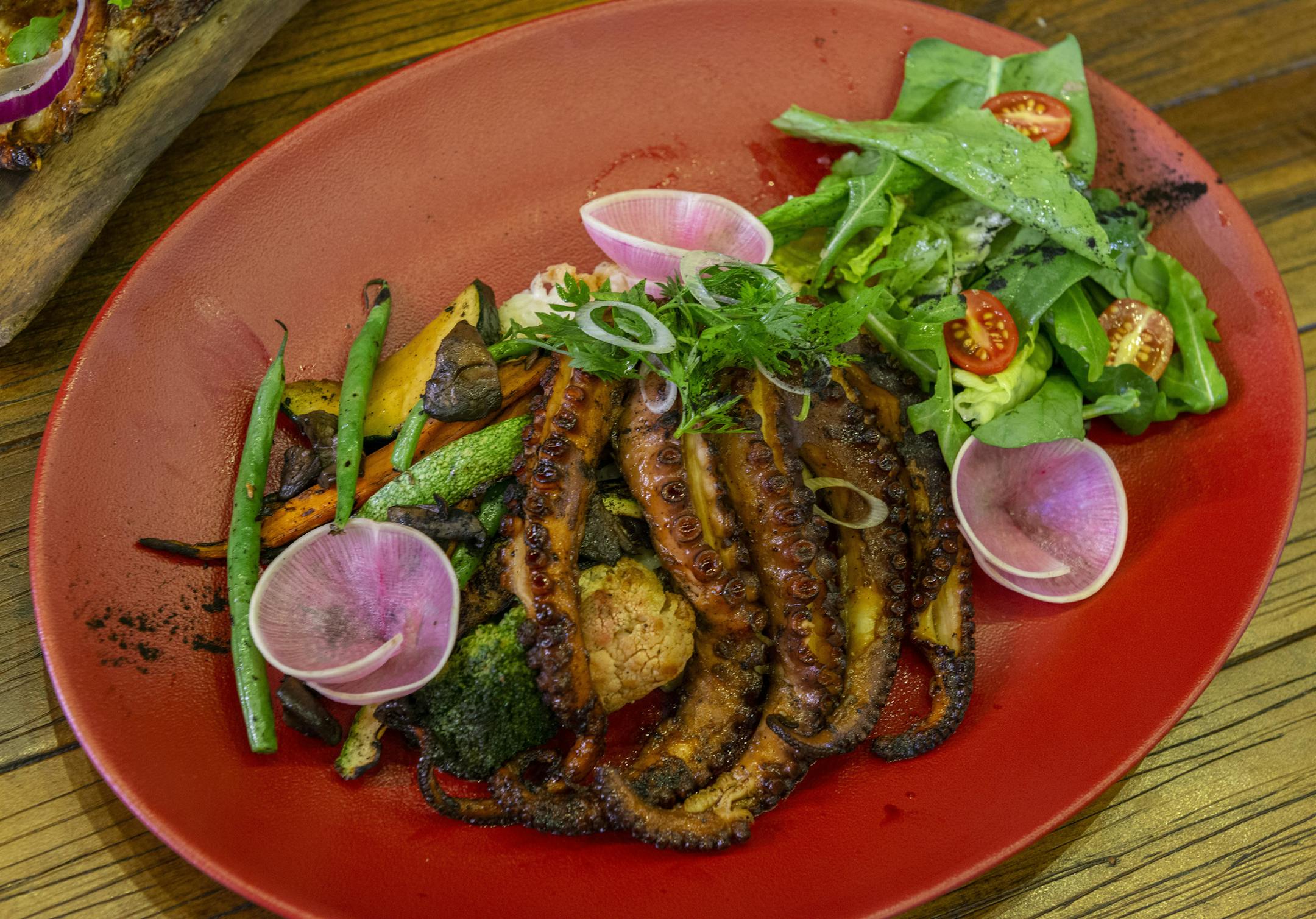
On a sultry November afternoon in Mérida, Mexico, I sat with my friend David Serrano on the terrace of Apoala, a Mexican-fusion restaurant on the Plaza de Santa Lucia, tucking into Flores de Amarillo — zucchini blossoms stuffed with Oaxacan cheese — and people watching. David, a Mexican by birth and a Mérida resident by choice, deftly picked out the vacationers (in short pants, like myself, because of the heat) from the locals (in long pants, like David, because of the insects).
An elegant blond woman in slacks drifted over to the table to say hello to David — Elena, he explained, a fashion designer from Milan. A few minutes later a tanned couple, the husband leaning on a cane as a result of a riding accident, dropped by — Ralf and Yvonne, the Germans who run the Yucatán Polo Club. After lunch we stopped at Ki'Xocolatl — the chocolate store next to the restaurant run by two Belgians — and bumped into Carmen, a painter from Mexico City, and Marcela, a Yucatecan artist who got out her phone to show me pictures of the sculptures she makes from sisal fiber.
So it goes in Mérida, the capital of Mexico's Yucatán state and a magnet for creative souls from both sides of the border and beyond. They come from the United States and Canada, Mexico City and Europe, lured by the city's un-Disneyfied Mayan and colonial heritage. Among the expats: artists James Brown and Jorge Pardo, designers Laura Kirar and Marjorie Skouras, and chefs Jeremiah Tower and David Sterling. Just don't call it the next San Miguel de Allende.
"People go to San Miguel to retire," said David, acting as both my host and tour guide during my first visit to the city. "Here you come and work. I think the heat wakes you up."
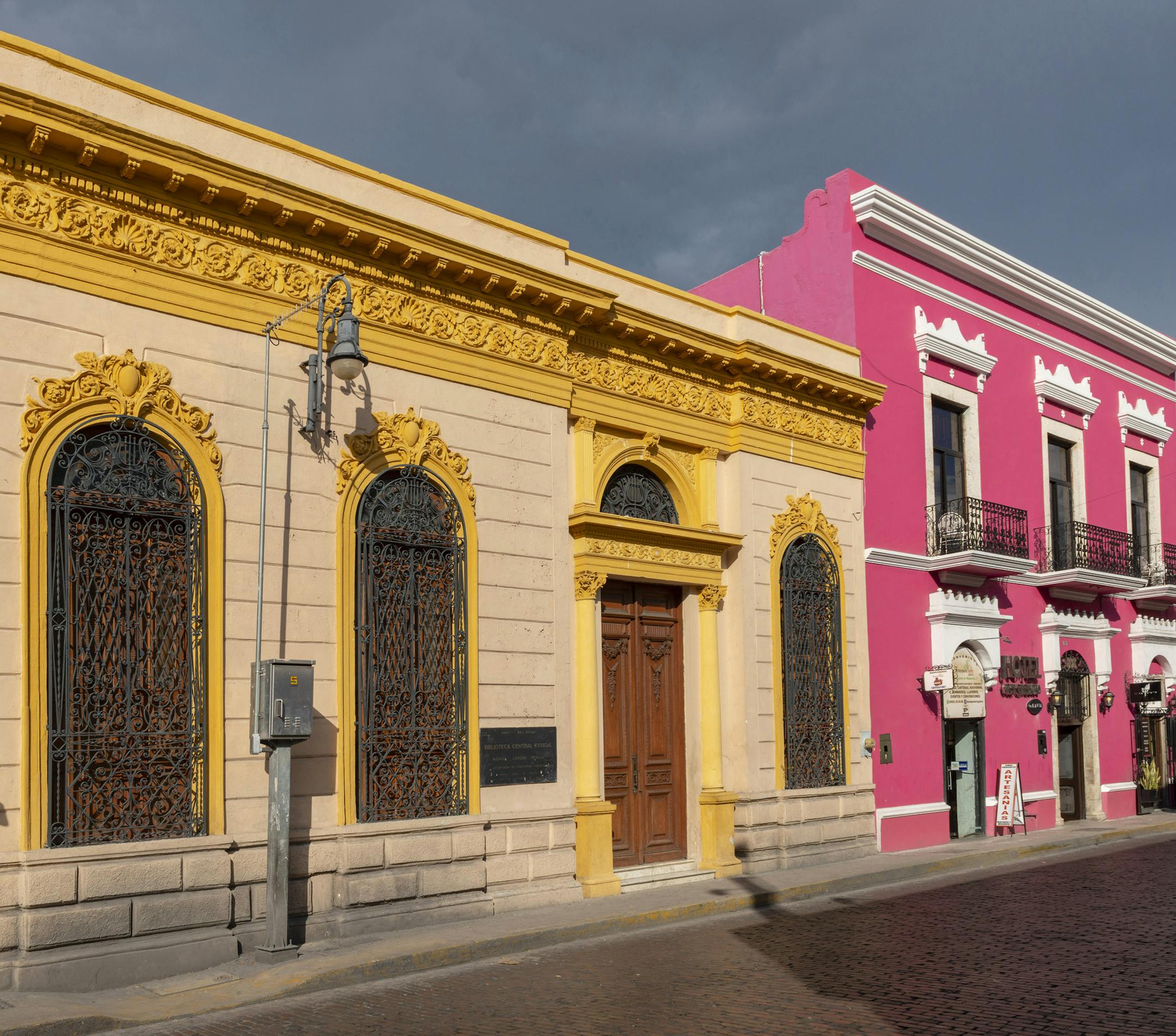
The heat — or maybe it was the food — was having the opposite effect on me. But our Uber driver, Israel, a Yucatecan of Lebanese descent, cranked up the AC in his Dodge Neon. The radio was also rousing: Israel blasted KIIS FM ("You're the One That I Want") as he negotiated the narrow streets lined with tall colonial houses in sherbet colors back to David's place.
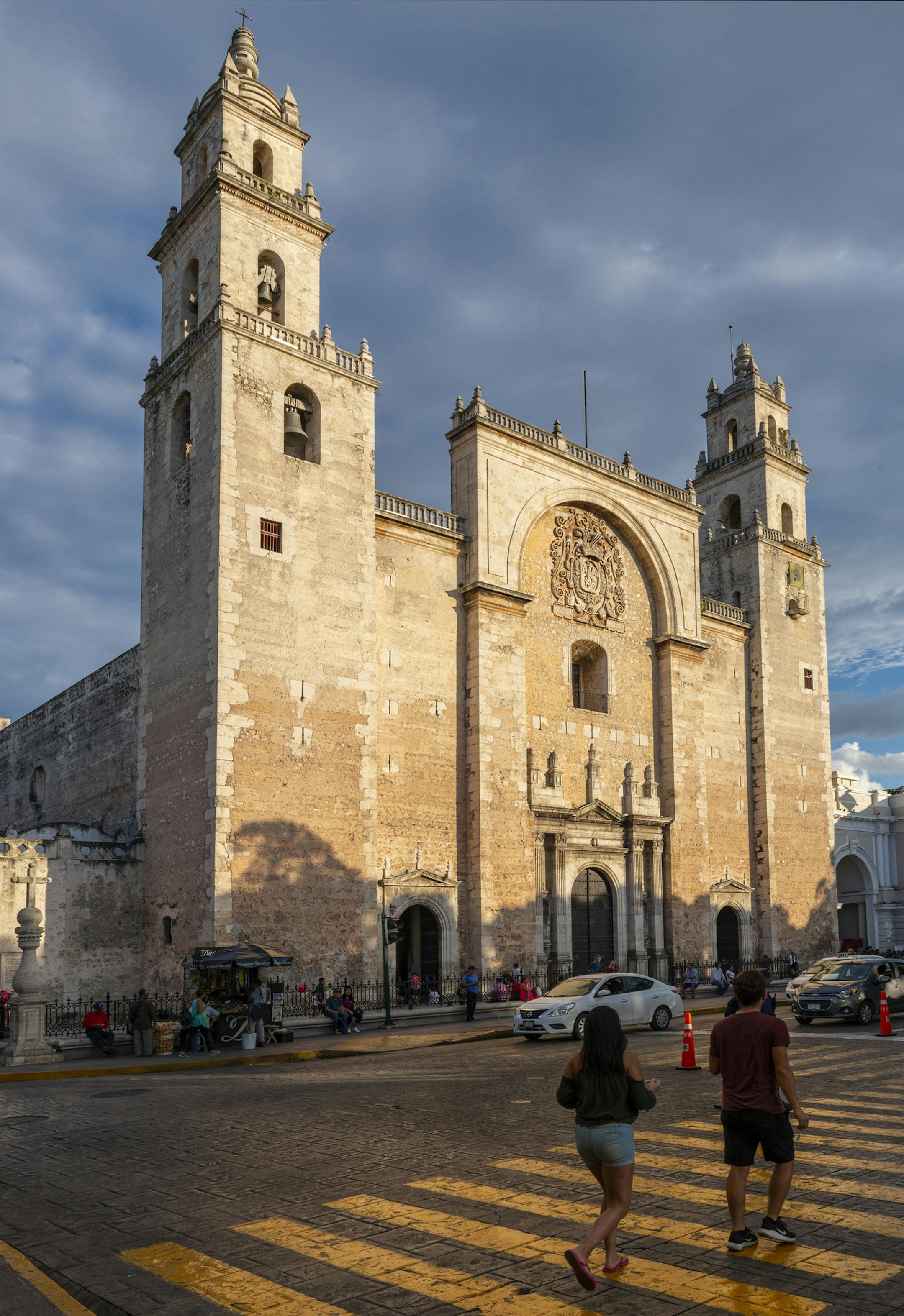
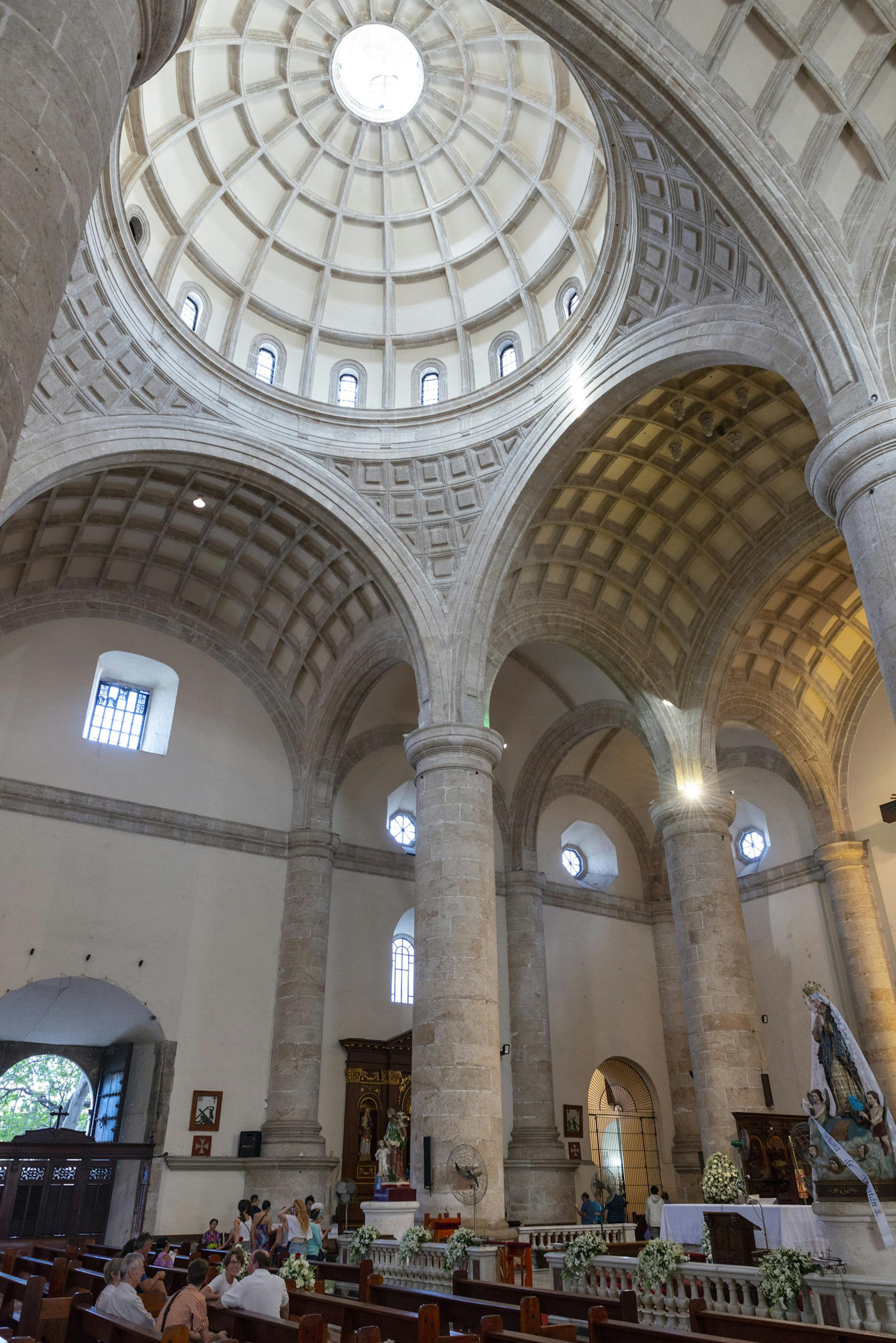
We had spent the morning driving around the centro historico. Mérida, named for the ancient Spanish city, was founded in 1542 by the conquistador Francisco de Montejo y Leon on the site of the Maya city of T'ho. On La Plaza Grande David pointed out the Catedral de San Ildefonso and the Casa de Montejo, both constructed of stone from the ancient pyramids and temples, both dripping with Renaissance ornamentation. "You see the Roman influence, just as there was the Roman influence in Mérida, Spain," David explained. "The French came later."
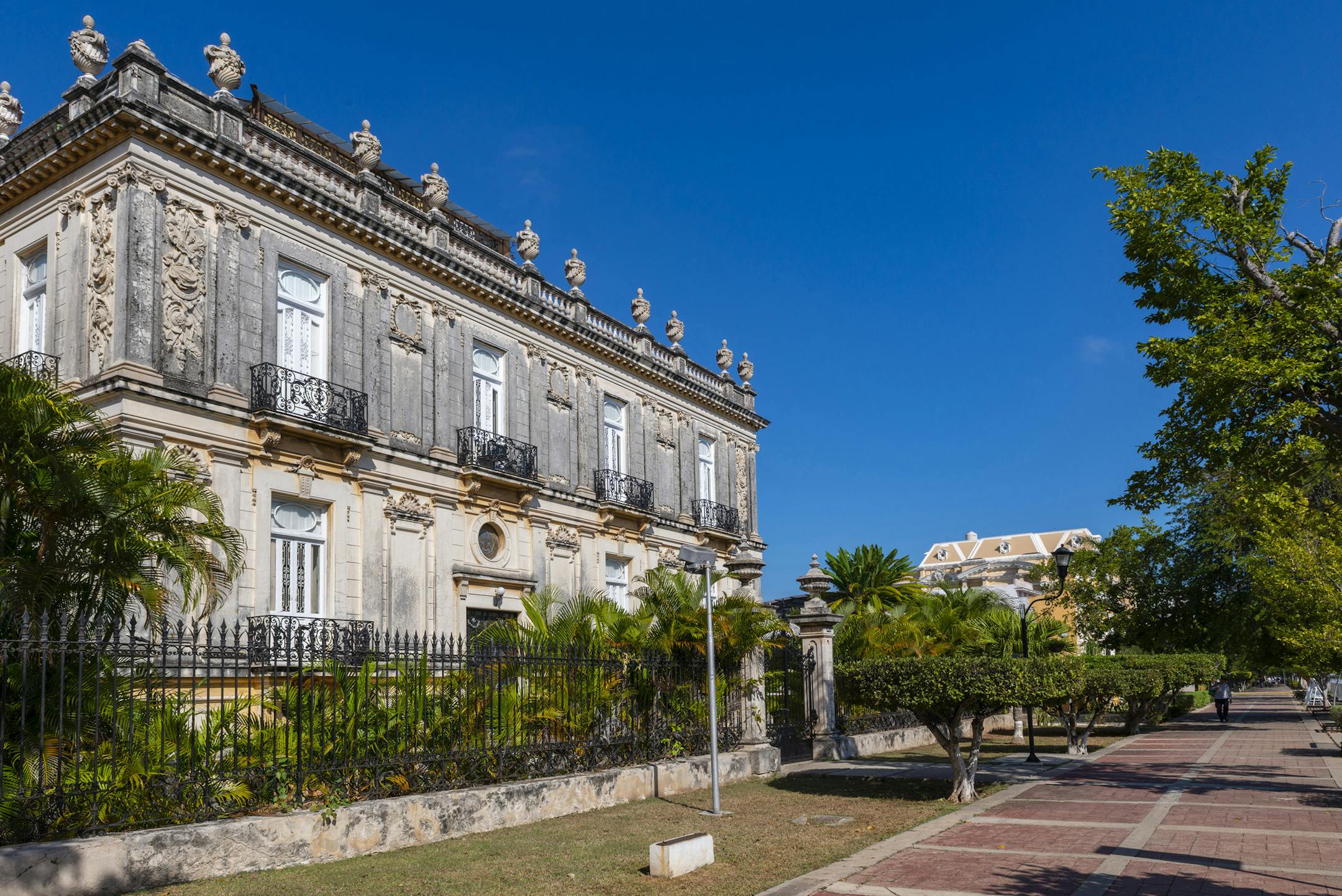
On cue, Israel had turned up the Paseo de Montejo, the city's main artery, and suddenly we were surrounded by palm-shaded mansions in the Beaux-Arts style — the trophy homes of the 18th- and 19th-century millionaires who made their fortunes producing henequen (or sisal) from the agave plant. The rich Yucatecans rejected Hispanic culture in favor of all things French, and Paseo de Montejo bears more than a passing resemblance to a street in old New Orleans, which happens to be a sister city.
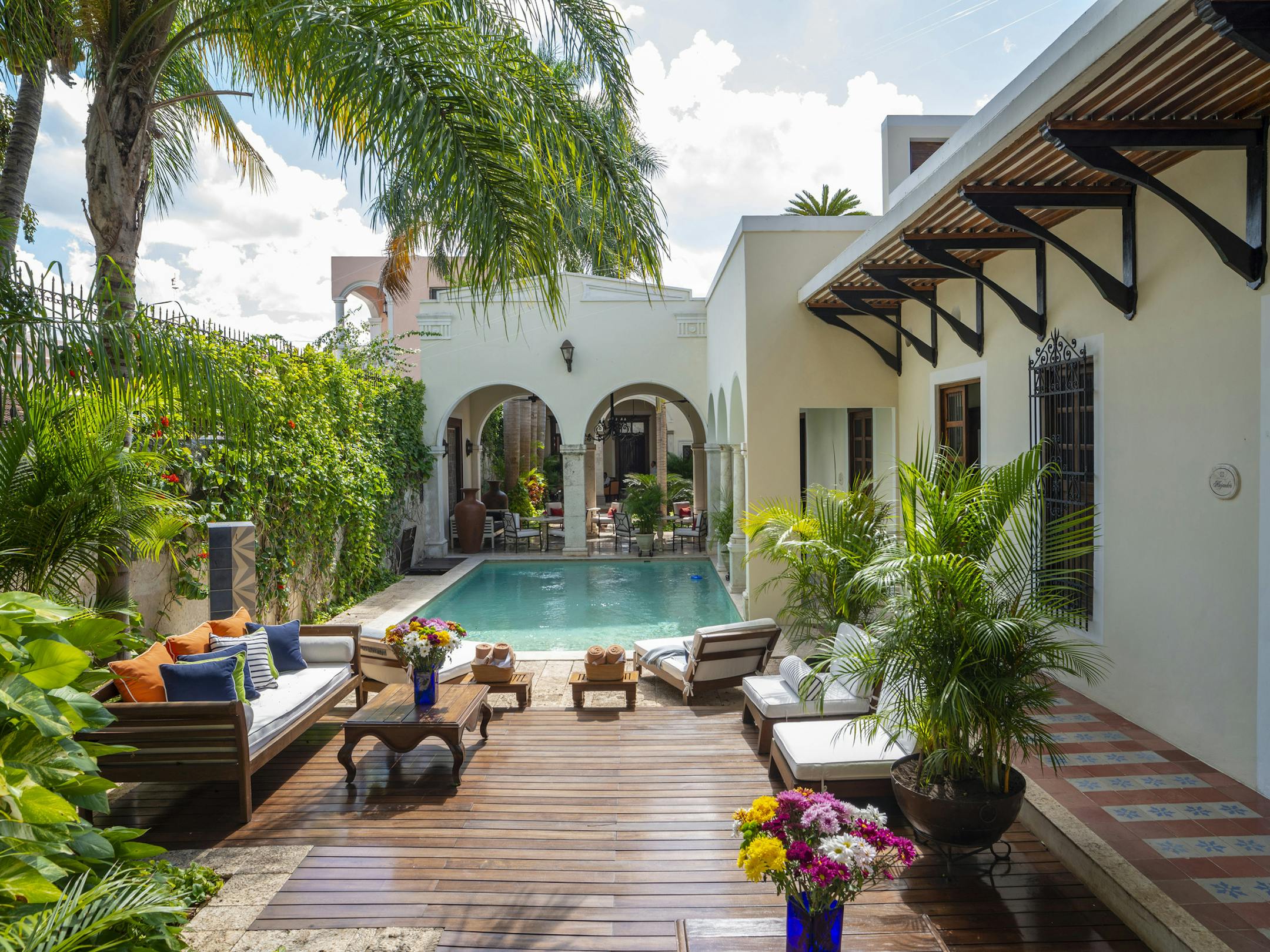
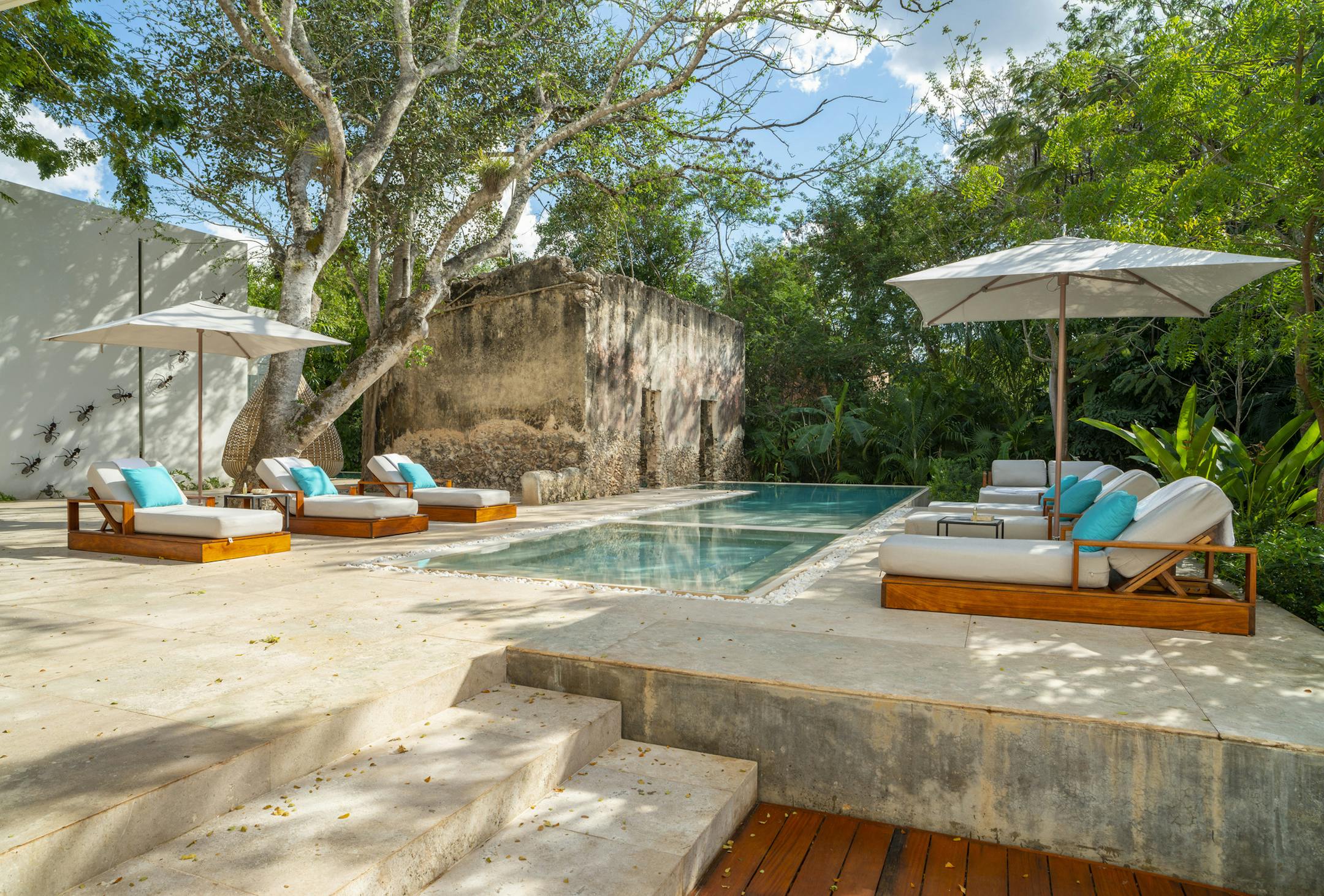
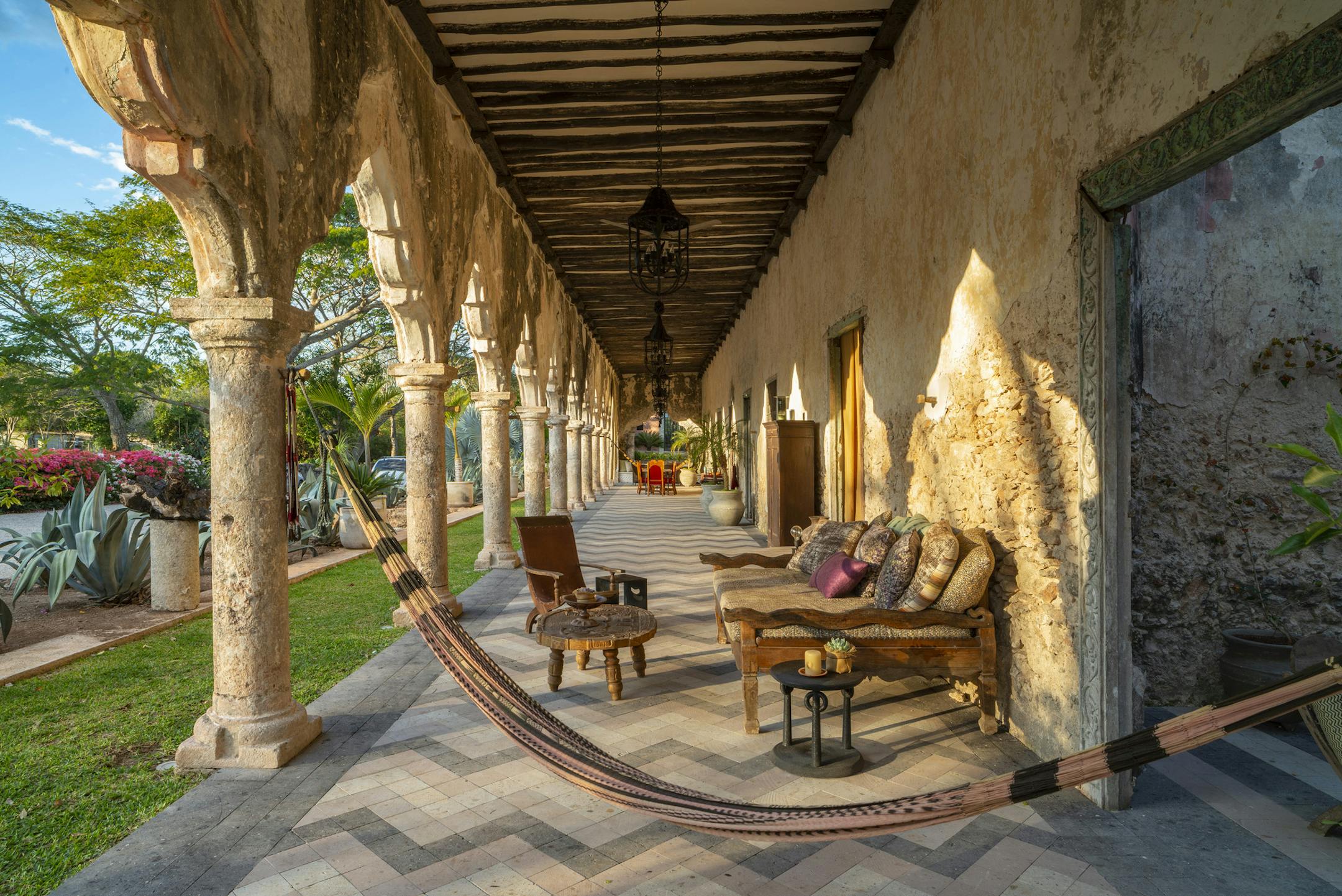
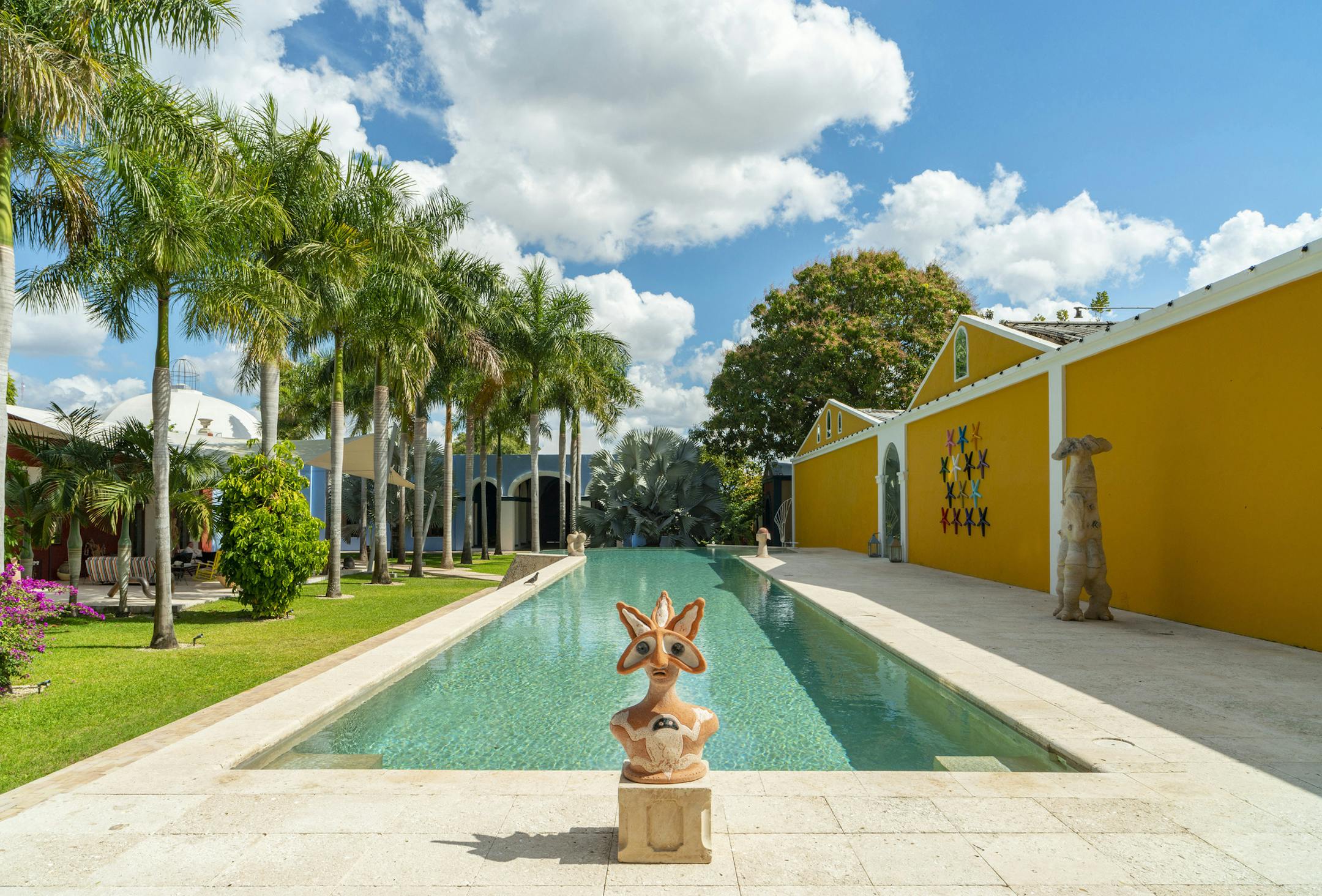
The pale blue exterior of the 200-year-old house in the Santiago barrio that David and his partner, Robert Willson, bought a few years ago is reserved, almost anonymous. Inside it looks the way you might imagine a casa restored by two guys who used to run one of Los Angeles' premier design showrooms would look. There are 20-foot beamed ceilings and boldly patterned concrete tile floors, terra cotta sphinxes and French chairs made of steel and twine. The lush scent of plumeria wafts from the courtyard, where a Piranesi-inspired mural overlooks a turquoise pool.