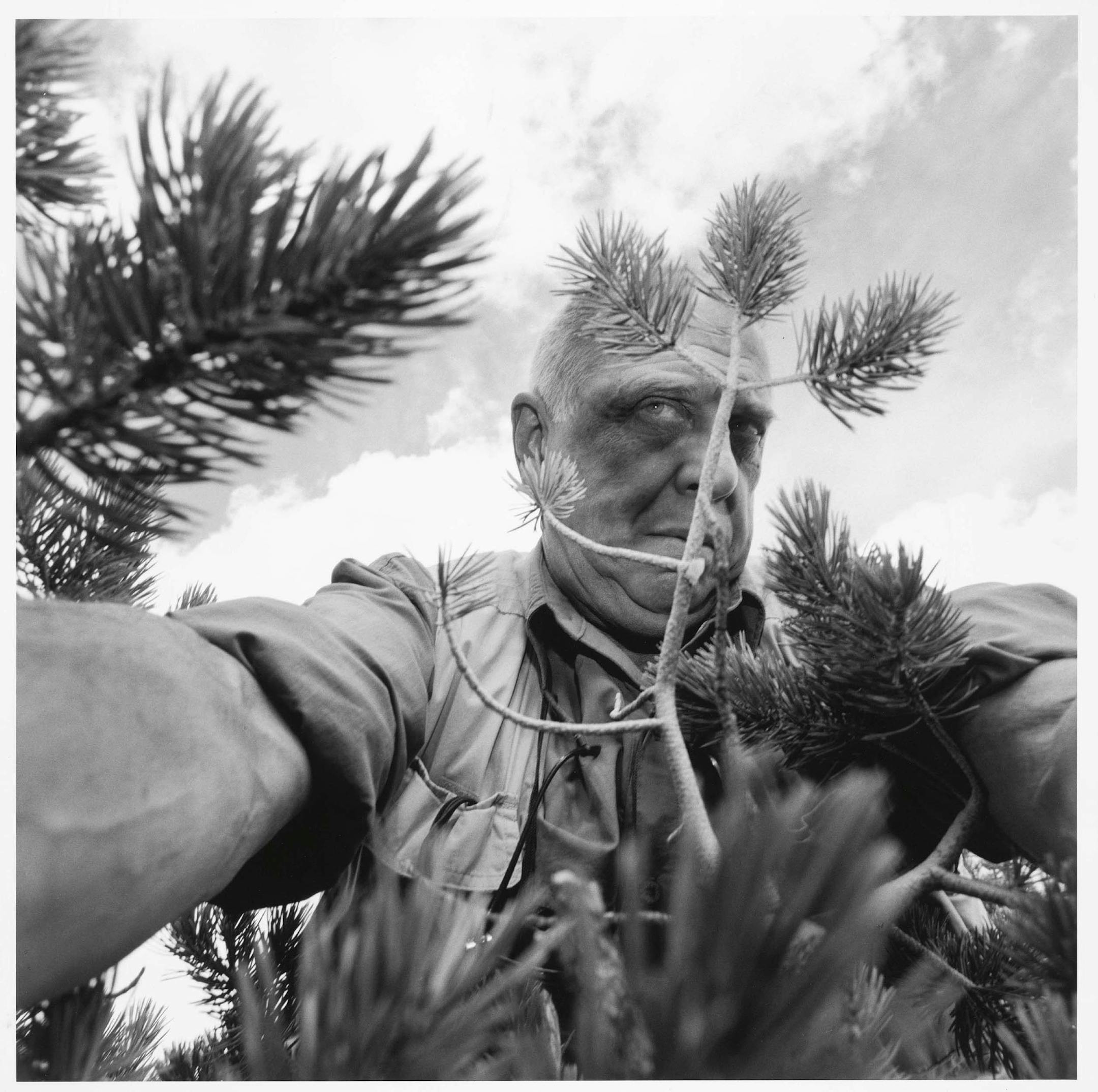
Nothing, it seems, escapes the lens of Lee Friedlander, who at 73 is one of the country's most prolific and expansive photographers. A genial bear of a man now living in upstate New York, he is as influential in his way as the more popularly known landscape genius Ansel Adams, portraitist Diane Arbus and fashion maven Richard Avedon. Friedlander's work is far more idiosyncratic than theirs, but he is so productive and persuasive that he has left his indelible stamp even on their signature subjects.
In preparation for "Friedlander: Photography," opening Sunday at the Minneapolis Institute of Arts, dozens of cases last week disgorged nearly 500 of his black-and-white images of America in all its chaotic amplitude: storefronts, jazz musicians, cars, TV sets, weird lamps, street signs, patriotic monuments, families and friends, fashion models and worker bees, nudes, flower stems, tomb sculpture, shadows, trees and tangles, vernacular architecture, reflections in mirrors and windows.
"Encourage people not to be afraid, not to let the numbers discourage them, because this is a project you can take in varying depths," said guest curator George Slade. He is overseeing the Minneapolis presentation of the show, which is on loan from the Museum of Modern Art in New York City.
"If you've been working for 50 years as Friedlander has, you've produced a lot of work," Slade added. "It's a challenge to take in every picture individually, but the point is to get a broad sweep of what a long and productive career looks like."
Designer Roxy Ballard, taking a cue from MoMA's installation, has arranged the photos in loosely chronological groups of up to nine or more images. Most are 8-by-10s or even smaller, and can be taken in at a glance until something especially arresting snares your attention.
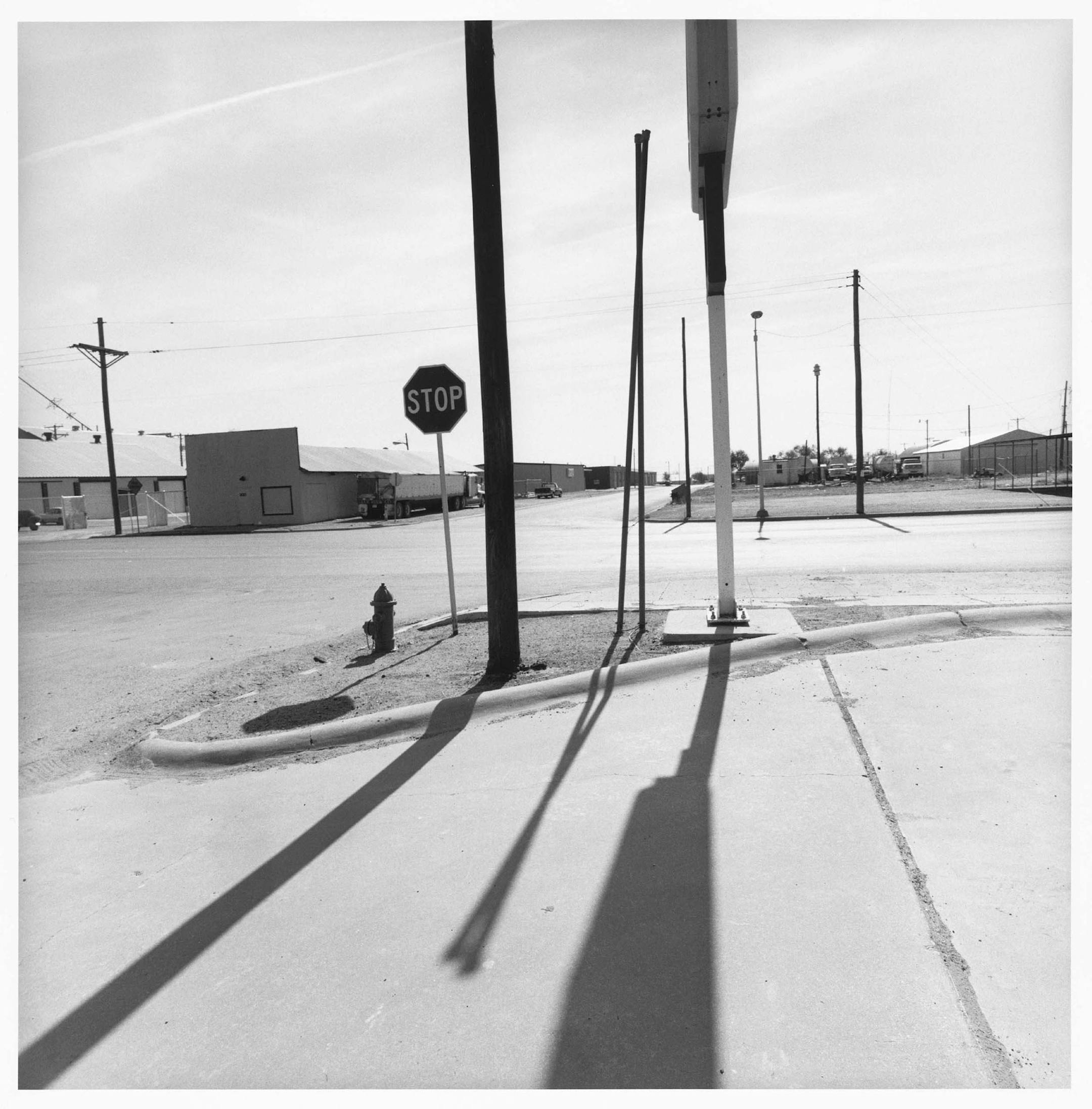
You find yourself puzzling over whatever prompted anyone to take a photo of such a mundane thing -- a phone book reflected in a window, a sun-bleached intersection, a cacophonous New York corner, a dry bush in Death Valley. Then, within a nanosecond you're mesmerized by shimmering light, or an astonishing interplay of lines and shadows, or a film noir drama unfolding on the street.
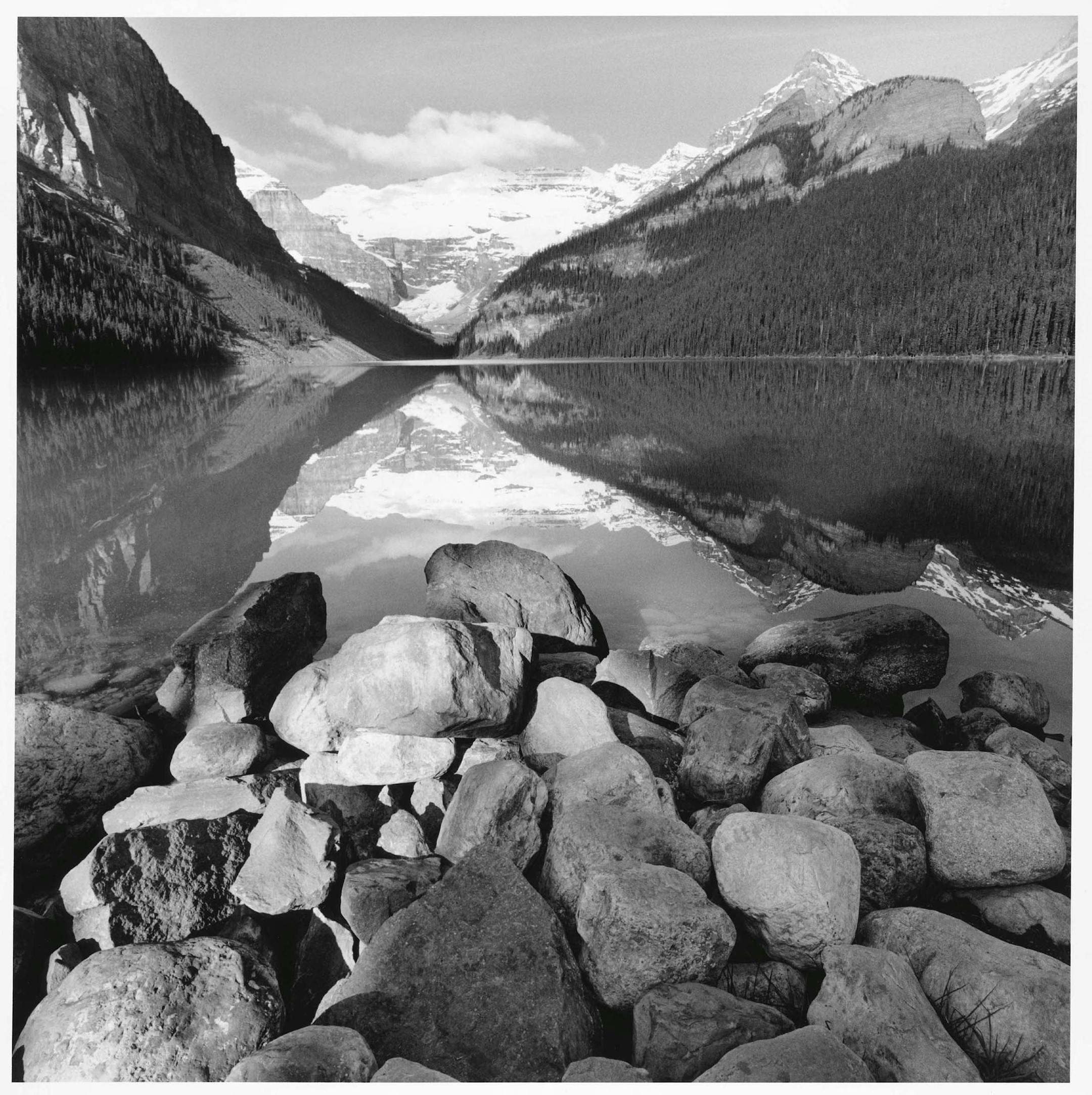
"There is always some little visual fillip that hypercharges his pictures for me," said Slade. Citing a Friedlander landscape of Canada's Lake Louise with craggy boulders in the foreground and a water-mirrored mountain in the distance, he said, "That picture is cut from very familiar cloth, but has a tension that gives it new life. He's saying, 'You may think that all photos of mirrored lakes have been made and no one needs another one, but here's something new. What do you think?'"
Keen eye for the vernacular