

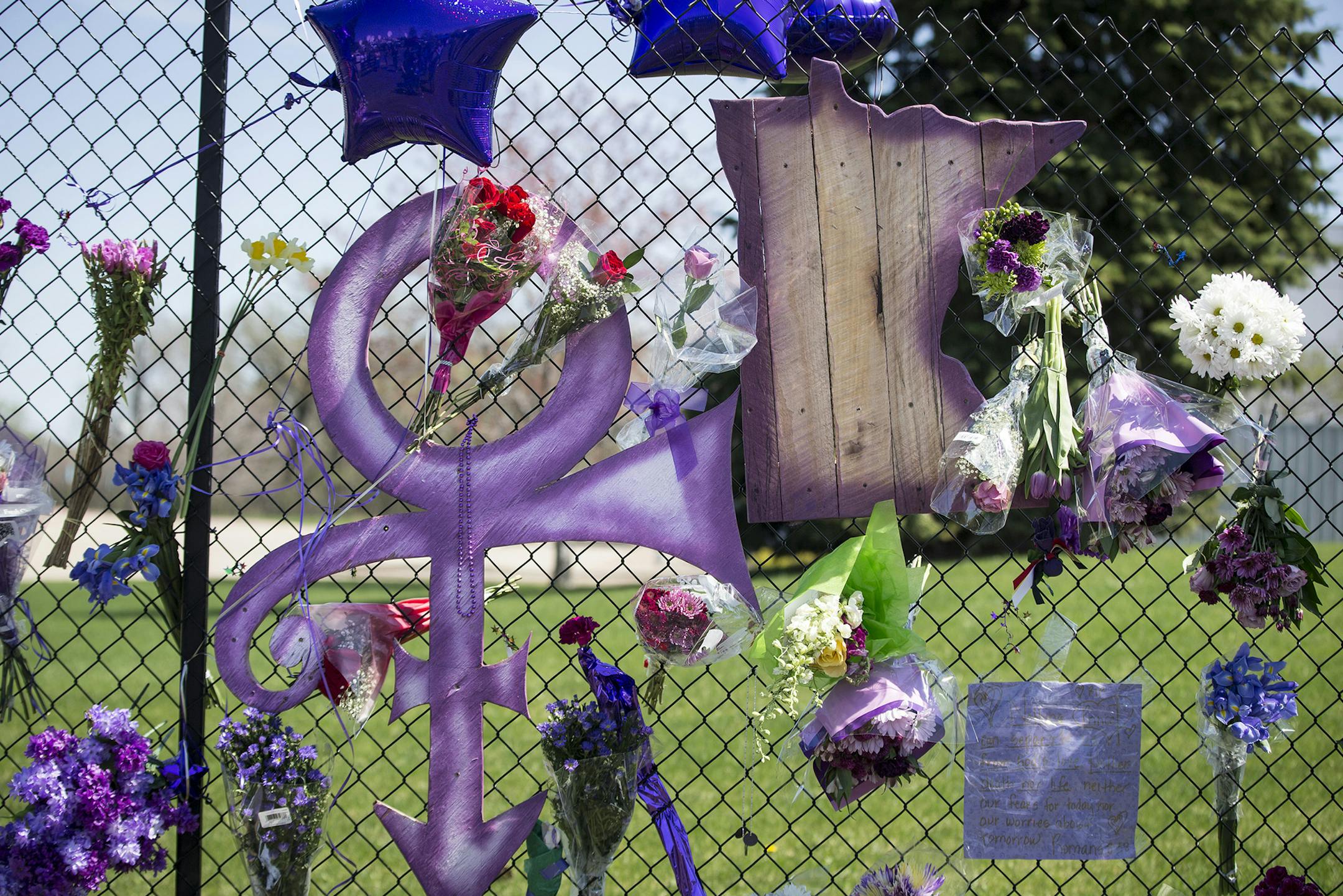
Even before most major news outlets confirmed that Prince had died, mournful posts began filling my timeline.
First, there was denial: "No. No. No," a friend tweeted. "Not Prince, god dammit, not Prince," wrote another. The other stages of grief soon followed.
I scrolled past concert memories on Facebook. Instagram was full of stills from "Purple Rain" and, later, photos of Los Angeles City Hall, Niagara Falls and the Eiffel Tower lit purple. Prince's actual funeral was attended by just 20 close friends and relatives. Online, millions of us mourned together.
The outpouring was sincere but also eerily familiar. Prince's death was a replay of David Bowie's in January, with echoes of the public mourning for the victims of the November terrorist attacks in Paris.
Have we made an unspoken pact? When a death is newsworthy, must we grieve collectively now?
Because of social media, everyday people feel pressure to grapple with questions of etiquette that, in previous decades, only celebrities in the public eye — and subject to public criticism for perceived insensitivity — had to address.
If you've never traveled to Paris, is it necessary to denounce terrorism there? Is it enough to acknowledge the death of a well-known artist — R.I.P., Prince — or must you put together a heartfelt tribute?
In fact, no one would take offense if some of us decided to skip a round of grieving — if we decided not to change our avatars in memoriam. Probably no one would even notice. But perhaps that's beside the point.


