By Stephen B. Young
There is much more to Vladimir Putin's annexation of Crimea and continuing pressure on Ukraine than meets the eye.
The Russian leader has drawn open the curtain on a new era of global competition among a handful of nations that presume to act as heaven's surrogates on Earth.
America's sense of its own exceptionalism — its "City Upon a Hill" complex — is disdained even by some Americans, who think it leads the nation into trouble. But America isn't the only society with a mystical sense of mission. In fact, the rest of the 21st century may be the story of America's confrontation with three rival powers that directly challenge our claim to moral superiority.
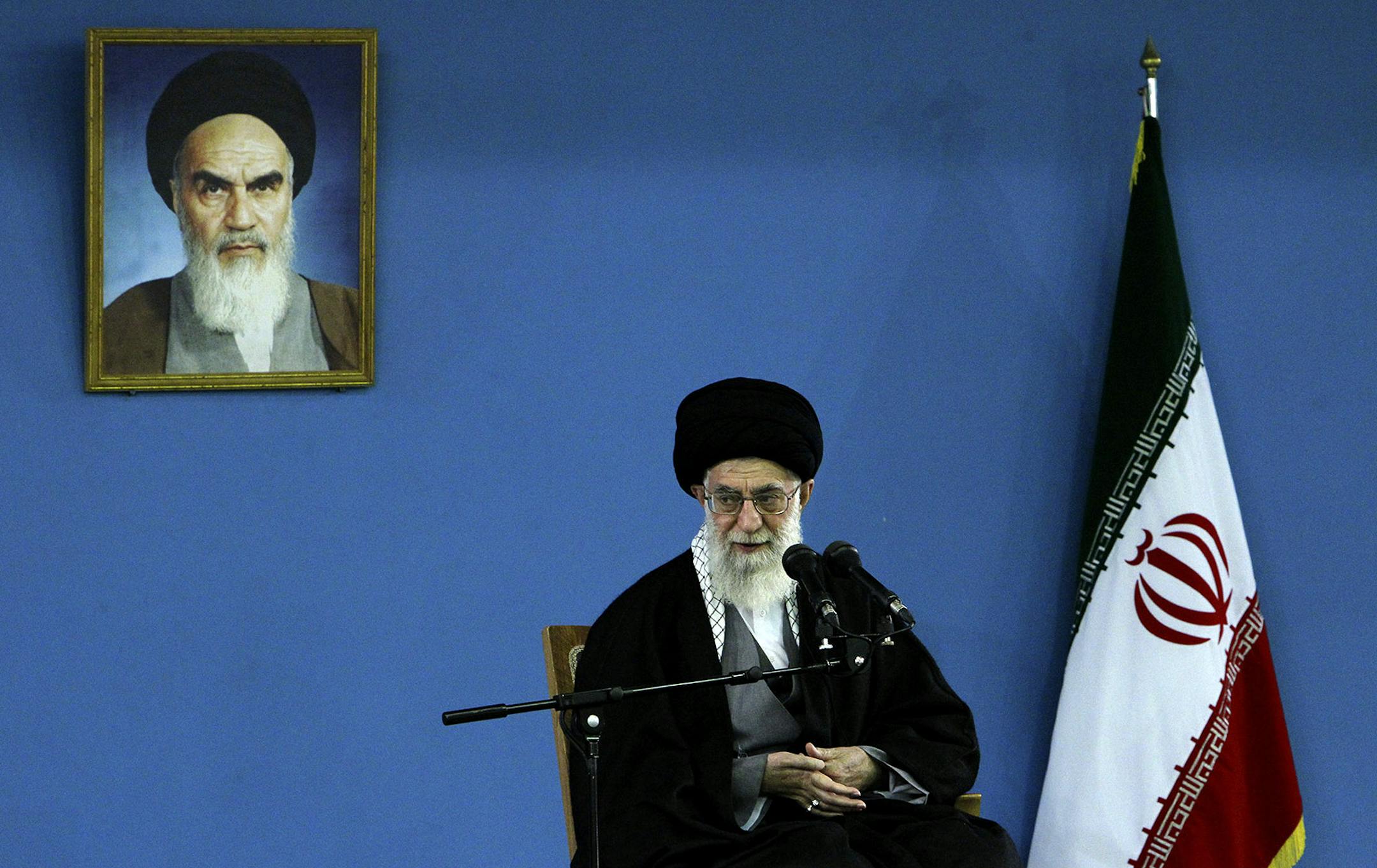
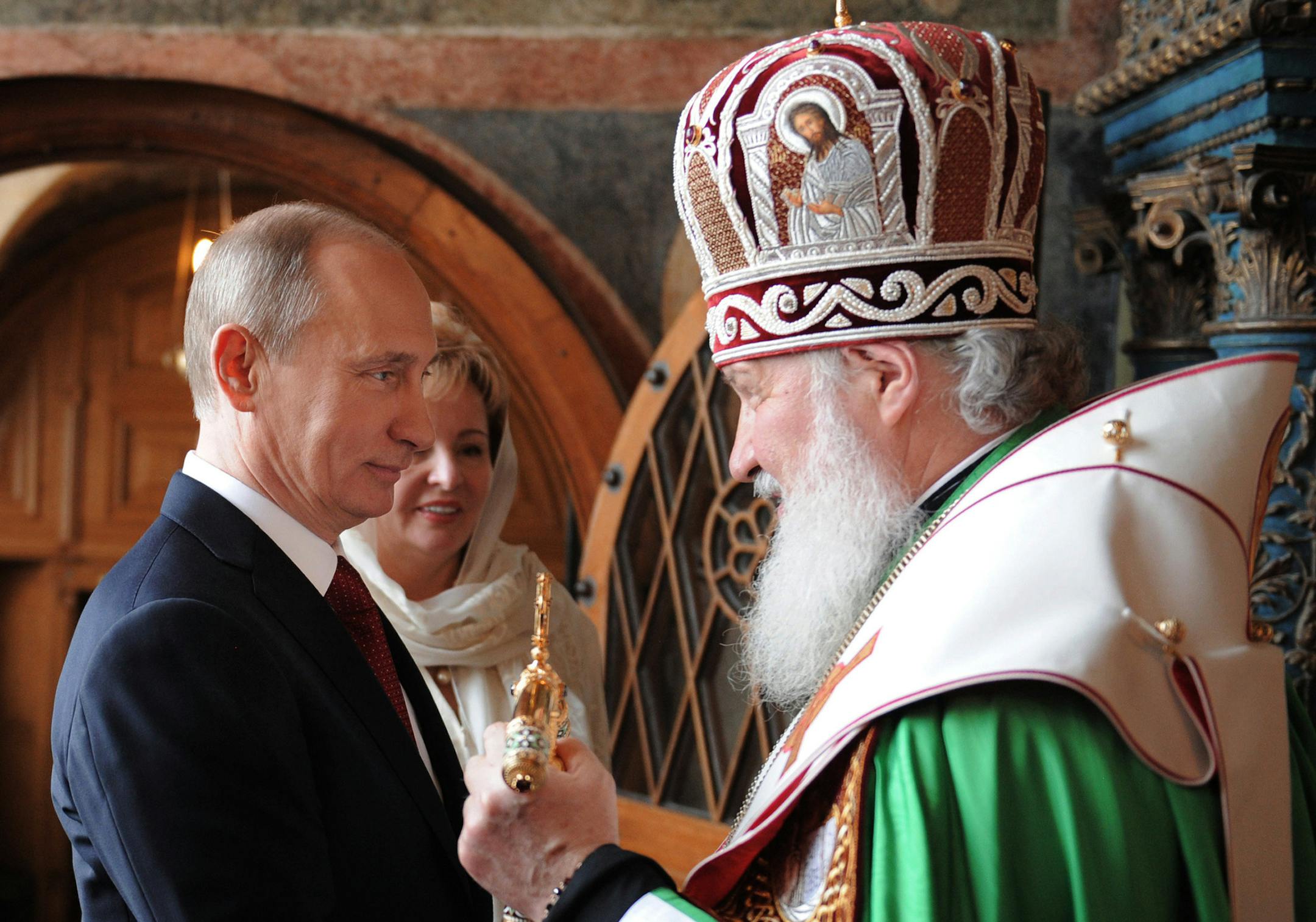
One such nation is Russia, which has a long tradition of believing in its destiny as the "Third Rome." The second is China, which for 2,500 years has positioned itself as the Middle Kingdom directly under heaven. The third is Iran, whose ayatollahs believe they possess the most truthful understanding of God's holy order for humanity.
When Putin spoke to his national assembly March 18 explaining why Russia was justified in absorbing Crimea, he didn't hesitate to cite the deepest roots of Russia's identity: "Everything in Crimea," he said, "speaks of our shared history and pride. This is the location of ancient Khersones, where Prince Vladimir was baptized. His spiritual feat of adopting Orthodoxy predetermined the overall basis of the culture, civilization and human values that unite the peoples of Russia, Ukraine and Belarus."
In 988, Prince Vladimir of the Kievan Rus had converted to Orthodox Christianity and had married a sister of the Byzantine emperor, linking a Slavic royal family to the lineage of Constantine the Great and protection of orthodox faith. This was the beginning of the Russian myth of a Third Rome.
In seizing Crimea, Putin is not proposing to play a parlor game but a game of thrones — a grand contest against the backdrop of human civilization. He has affirmed Russia's historic destiny as the Third Rome to redeem humanity.