

The Democratic Party needs a nominee, but right now it has a train wreck instead. The front-runner seems too old for the job and is poised to lose the first two primary season contests. The woman who was supposed to become the front-runner on the basis of her policy chops is sliding in the polls after thoroughly botching her health care strategy. The candidate rising in her place is a 37-year-old mayor of a tiny, not-obviously-thriving city.
Meanwhile several seemingly electable alternatives have failed to catch fire; the party establishment is casting about for other options; and not one but two billionaires are spending millions to try to buy delegates for a brokered convention … which is a not-entirely-unimaginable endgame for the party as it prepares to face down Donald Trump.
The state of the Democratic field reflects the weaknesses of the individual candidates, but it also reflects the heterogenous nature of the Democratic coalition, whose electorate has many more demographic divisions than the mostly white and middle class and aging GOP, and therefore occasionally resembles the 19th-century Hapsburg empire in the challenge it poses to aspiring leaders.
The theory of the Kamala Harris candidacy, whose nose-dive was the subject of a withering pre-mortem from three of my colleagues over Thanksgiving, was that she was well suited to accomplish this unification through the elixir of her female/minority/professional class identities — that she would embody the party's diversity much as Barack Obama did before her, and subsume the party's potential tensions under the benevolent stewardship of a multicultural managerialism.
That isn't happening. But it's still reasonable for Democratic voters to look for someone who can do a version of what Harris was supposed to do, and build a coalition across the party's many axes of division.
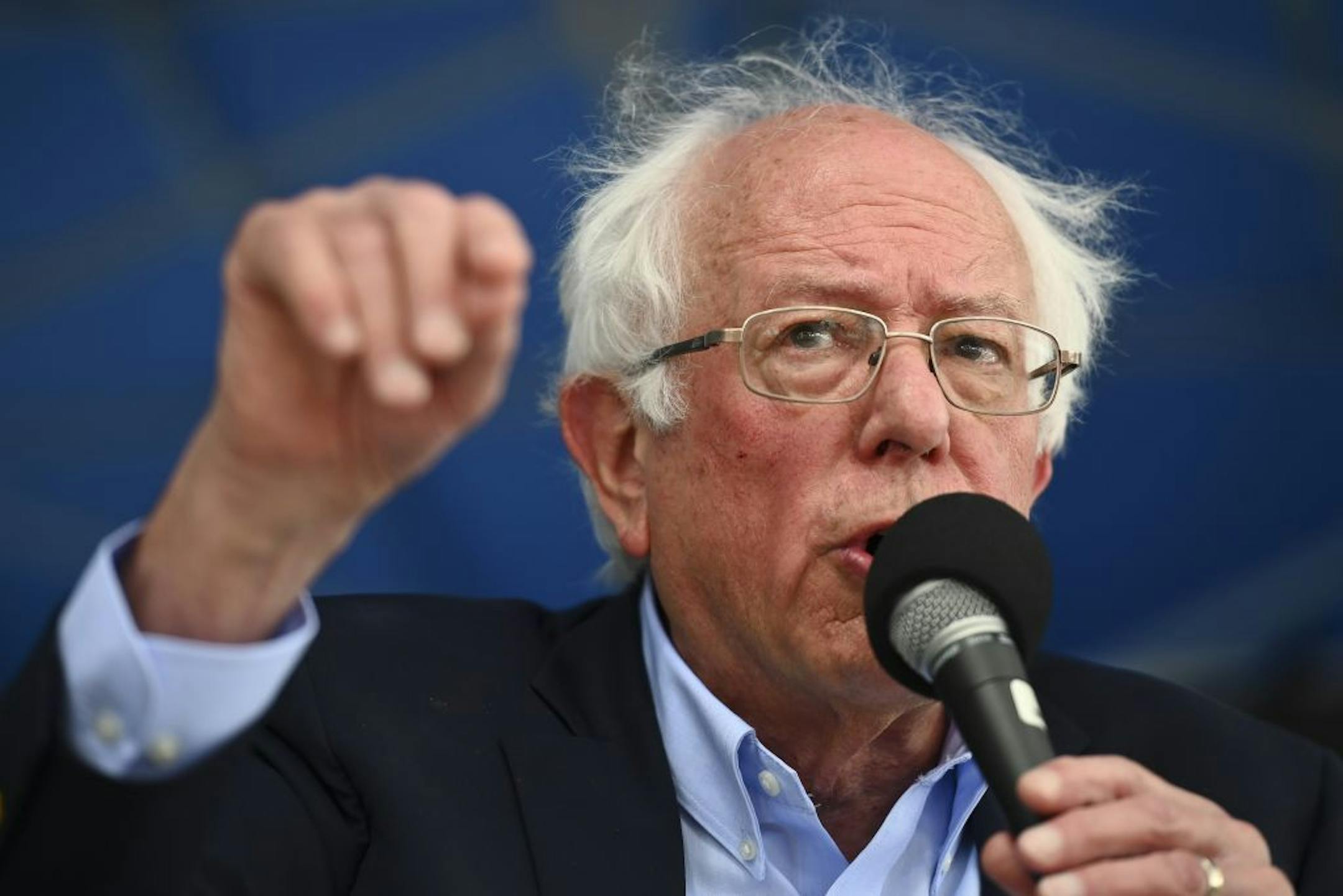
And there's an interesting case that the candidate best positioned to do this — the one whose support is most diverse right now — is the candidate whom Obama allegedly promised to intervene against if his nomination seemed likely: the resilient Socialist from Vermont, Bernie Sanders.
Like other candidates, Sanders' support has a demographic core: Just as Elizabeth Warren depends on very liberal professionals and Joe Biden on older minorities and moderates, Bernie depends intensely on the young. But his polling also shows an interesting better-than-you-expect pattern, given stereotypes about his support. He does better-than-you-expect with minorities despite having struggled with them in 2016, with moderate voters and $100K-plus earners despite being famously left-wing, and with young women despite all the BernieBro business.
This pattern explains why, in early-state polling, Sanders shows the most strength in very different environments — leading Warren everywhere in the latest FiveThirtyEight average, beating Biden in Iowa and challenging him in more-diverse Nevada, matching Pete Buttigieg in New Hampshire and leading him easily in South Carolina and California.


