A few months ago, Tim Niver brought his mother into the kitchen of his restaurant, Mucci's Italian, for a sort of staff training.
A descendant of Italian immigrants, Niver grew up eating classic Italian-American dishes with his family. He thought his mother could infuse a bit of that "spirit" into the restaurant's kitchen, which was staffed by mostly non-Italian chefs.
Niver's mother oversaw the making of a humble chicken liver dish. At one point, Niver messed something up.
"She spat out this Italian phrase, that translates to, 'Who put on your shoes today?' " Meaning: What are you doing?
Niver wasn't embarrassed, but proud. His mother had more to teach his staff than a recipe.
"That's the essence," he said. "There's a spirit behind this food. It's not just a cuisine, it's an idea."
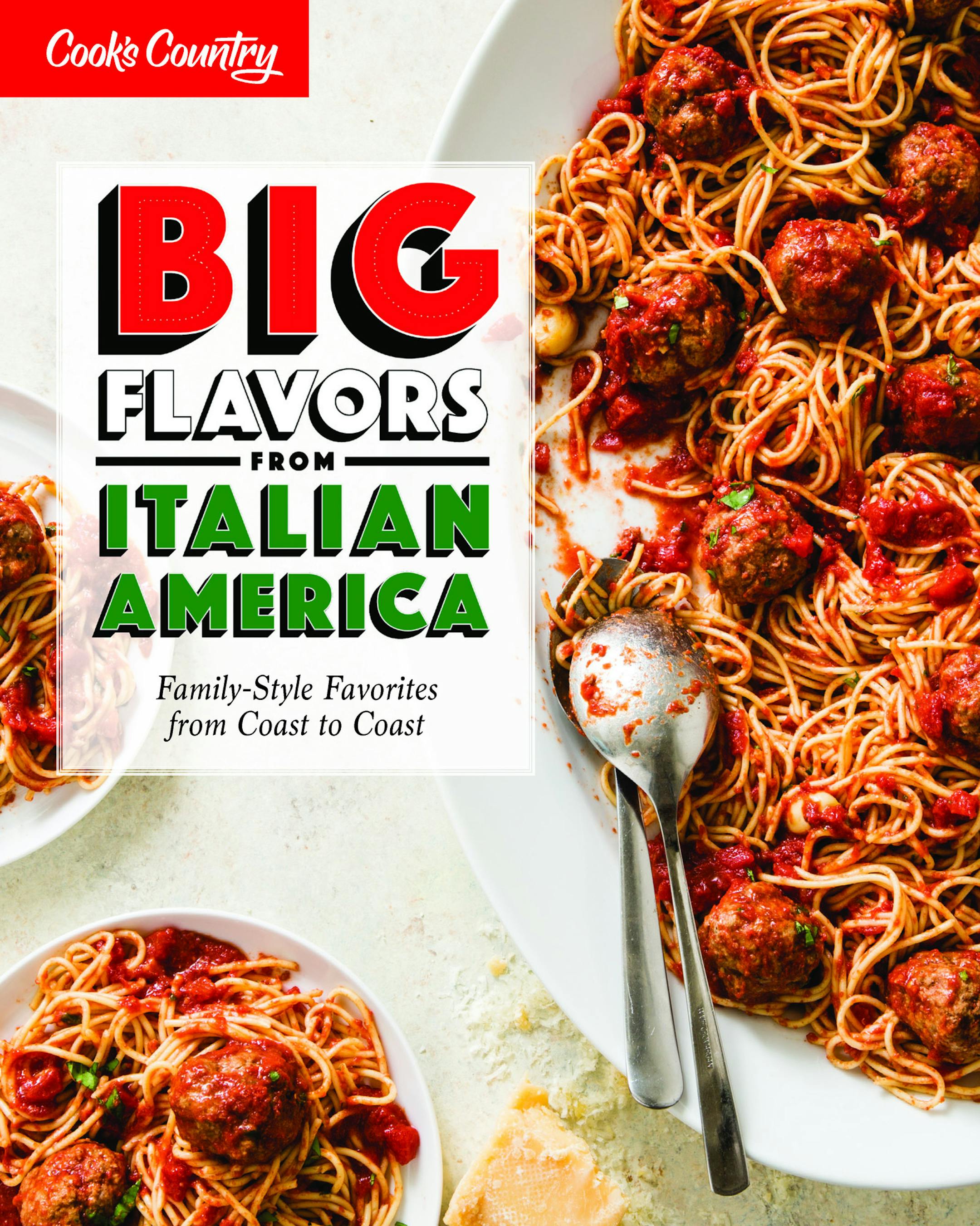
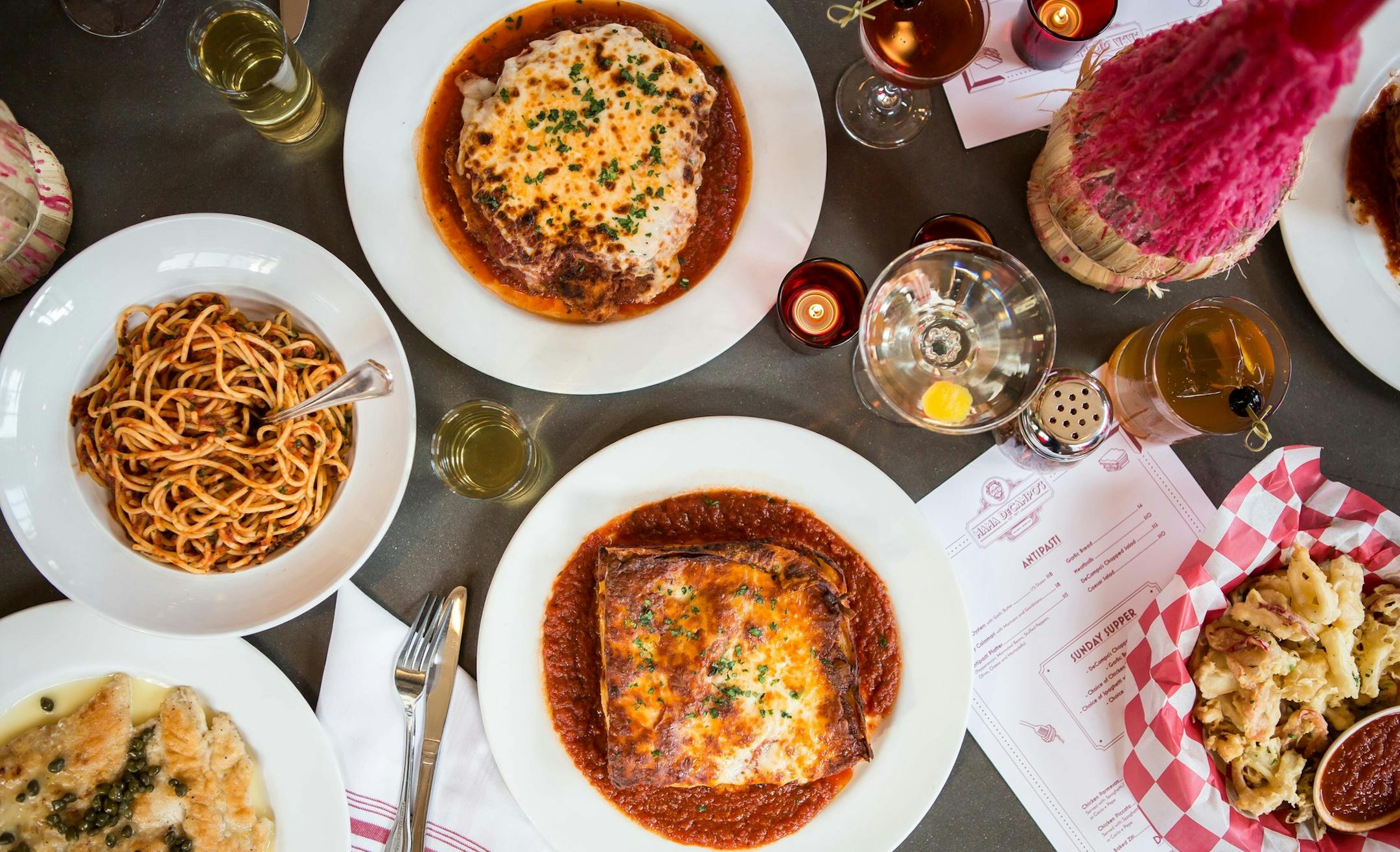
The staples of Italian-American food — think spaghetti and meatballs, fettuccine Alfredo, lasagna, chicken Parmesan — make this a fare all its own. It's more American than Italian, though its roots are in the late 19th- and early 20th-century Italian immigrants who brought over their ability to stretch the simplest ingredients available to them. As generations continued making those marinara-enrobed dishes, these foods became woven into restaurant menus and family dinners across the country.
"Even if you don't have an Italian grandmother, whether it's pizza or lasagna, it brings back happy memories of food that you may have grown up with, that you're always happy to see again," said Jack Bishop, chief creative officer of America's Test Kitchen and one of the originators of Cook's Country magazine, which just published a cookbook on Italian-American cuisine.