

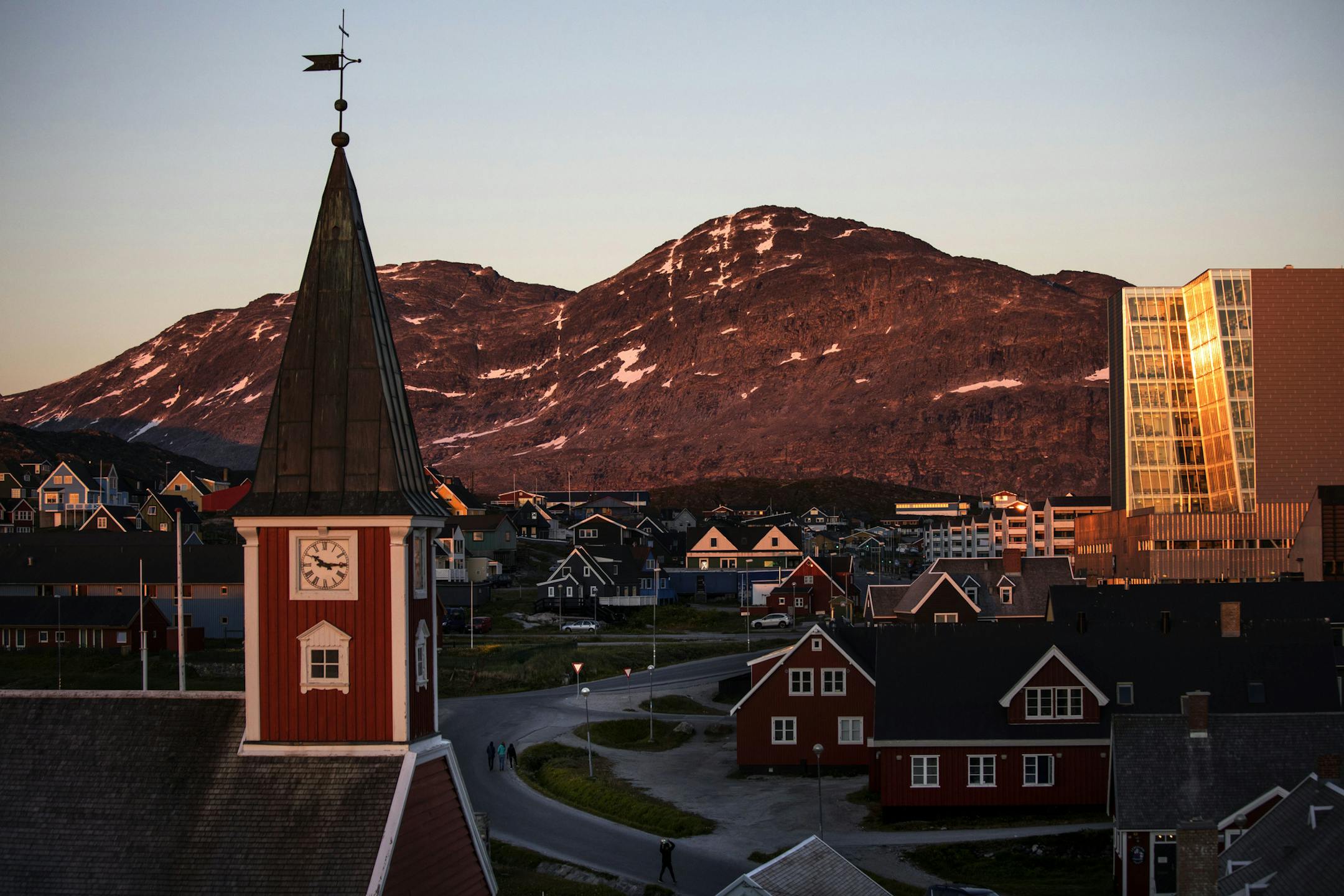
In mid-August, the Wall Street Journal revealed an exclusive report that the Trump administration was "looking into" purchasing Greenland, the 836,300-square-mile expanse of ice, rock and treacherous Arctic wilderness to our northeast.
To casual observers (including me), this is certainly an amusing meme. "Sure, why the heck not buy a land mass one-fifth the size of the United States! Certainly, this won't actually happen." To the president of the United States, it serves as a healthy distraction from all the other problems currently plaguing our country: gun violence, trade wars and the immigration crisis.
However, the more journalists and pundits look into the government motivations behind this bizarre move, the more non-benign it seems.
For one, the Trump administration seems to be actually serious about purchasing the autonomous Danish territory. When Danish Prime Minister Mette Frederiksen called the idea "absurd," she found herself on the receiving end of an American media news cycle, with President Donald Trump promptly canceling meetings he had with the prime minister.
Much more worryingly, the war hawks and military-industrial complex in Washington started to come out of the woodwork in favor of purchasing Greenland — as a way to put pressure on China and Russia with increased military presence.
America's foremost neoconservative war hawk, U.S. Sen. Tom Cotton, came out with an op-ed in the New York Times stating that America should buy Greenland and that we are not alone in recognizing Greenland's militarily strategic value — China sees it, too.
Politico had many "anonymous sources" within the State Department and national security adviser John Bolton's office practically begging that we buy Greenland so that we could be that much closer to China and Russia in the Arctic.
A counterproductive sort of "if we don't do it, they will" attitude currently thrives within the foreign-policy community in Washington — the same acrimonious attitude that put us on war-footing with the Soviet Union in the Cold War and nearly brought about the nuclear destruction of the entire globe.


