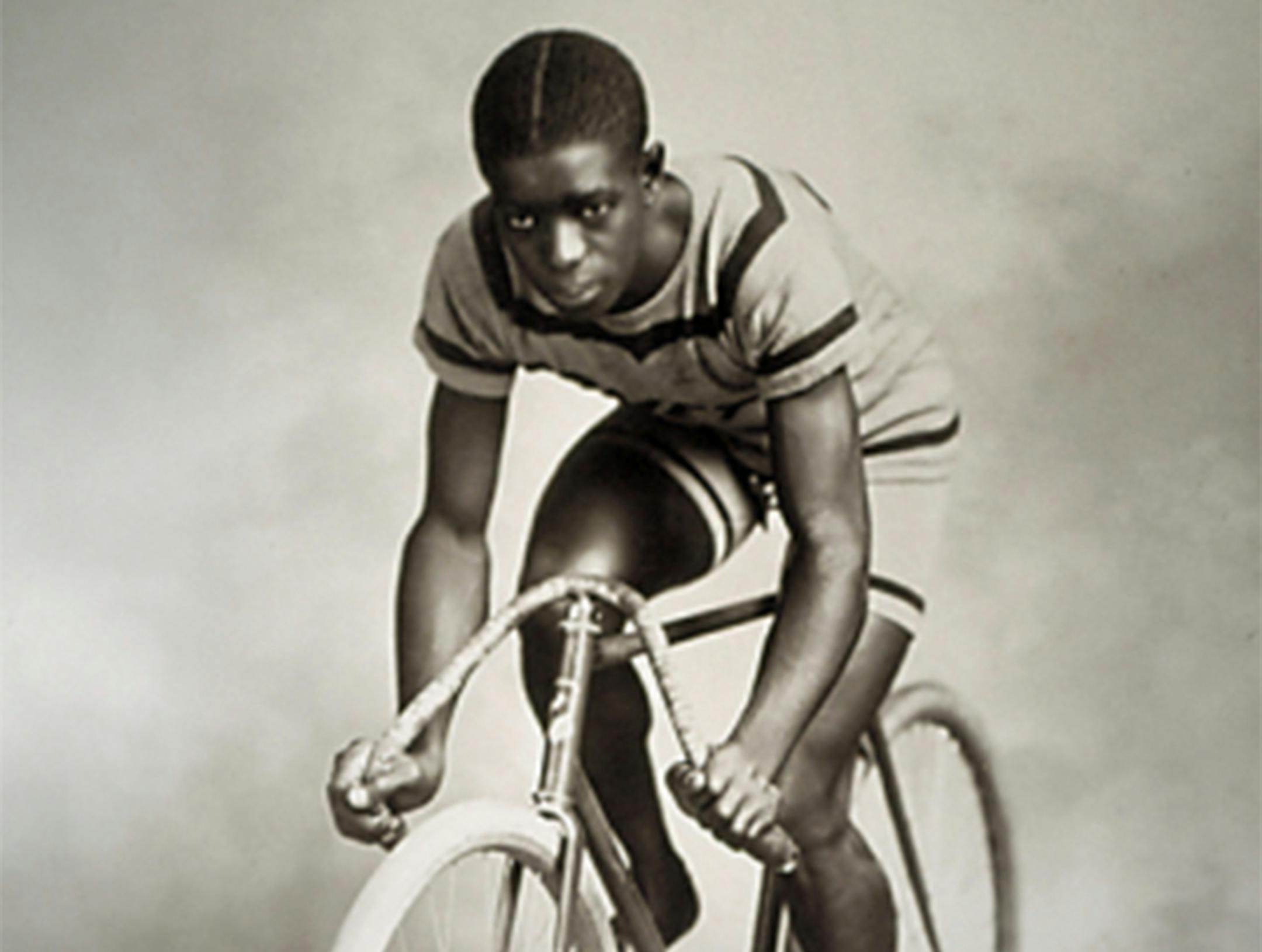
Our bicycle historians will tell you that it was 120 years ago this very month that Minnesota was all aquiver about hosting a global bicycle event. This at a time when — again, globally — bikes were the most prominent machines on wheels. It was, in July 1899, that bike racer Major Taylor, then the fastest rider in the world, was headed for Lexington Park in St. Paul for a full day of races. Astounding accounts from that year had Taylor setting a world record for the mile at 1 minute, 19 seconds, a feat that would have required him to average about 45 miles per hour on what must have been a beast of a bike.
But Taylor never made what was apparently his career's only booked appearance in Minnesota. He was, according to reports of the day, called by managers to "return to the east" on other matters. It might or might not have mattered that St. Paul's branch of the League of American Wheelmen, sponsors of the races, had several months before decided that "Afro-Americans are excluded" from its events.
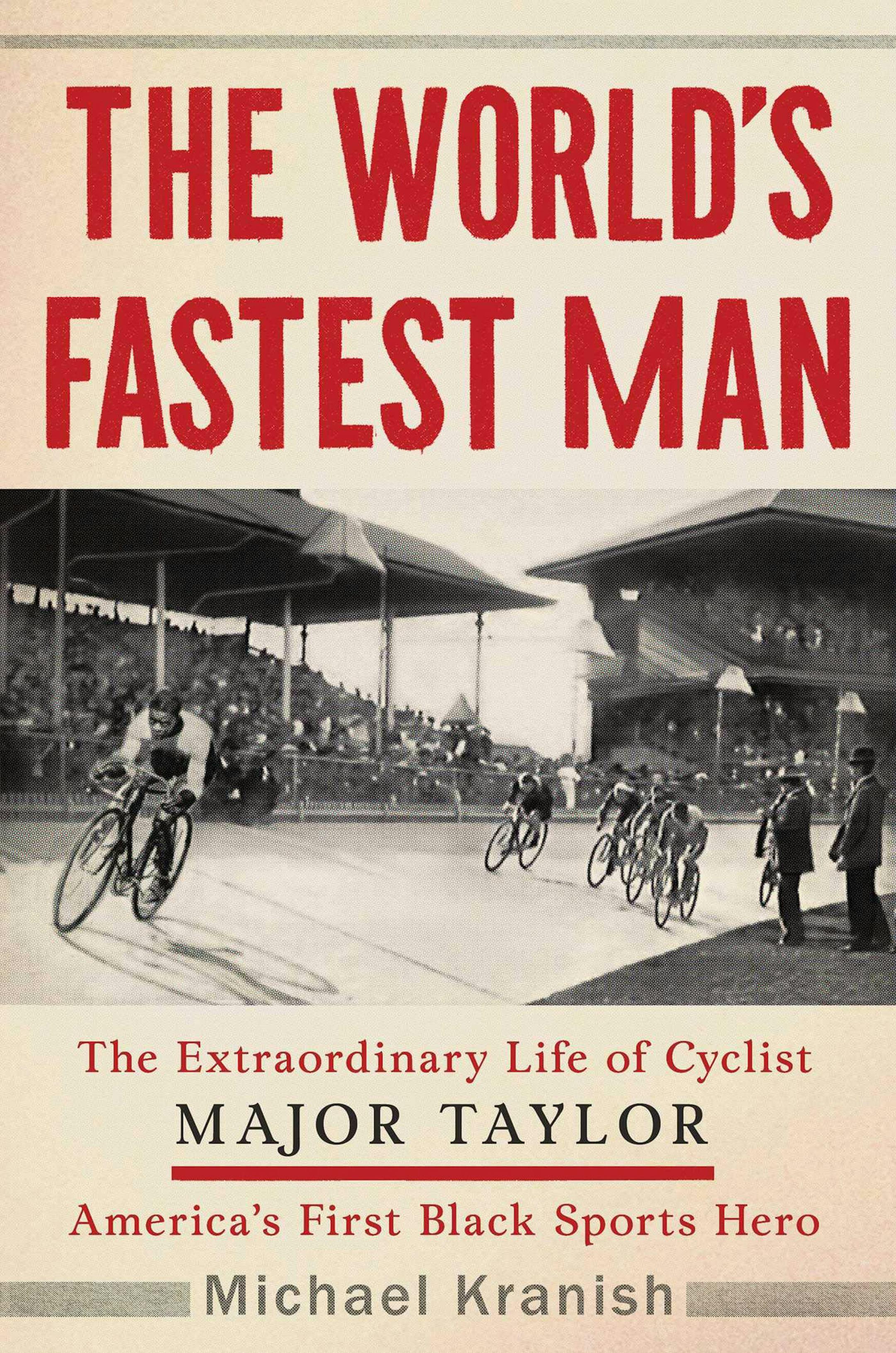
This matters now because Taylor, a black man in 19th-century America, is having a bit of a moment, 87 years after his death. A significant new biography — "The World's Fastest Man: The Extraordinary Life of Cyclist Major Taylor, America's First Black Sports Hero," by Michael Kranish — is just out. A notable previous biography, "Major Taylor: The Inspiring Story of a Black Cyclist and the Men Who Helped Him Achieve Worldwide Fame," was written by Twin Cities writers Conrad Kerber and Terry Kerber in 2014. According to Terry Kerber, LeBron James — the Major Taylor of his era? — has just bought the movie rights to that book.
And late in June, the Bicycle Alliance of Minnesota chose Louis Moore, the long-serving president and founder of Major Taylor Bicycling Club of Minnesota, for its Lifetime Service Award.
It's all at least 120 years late. But, somehow, right on time.
About that detour
Several realities have emerged in the first month of the epic detour that, because of the big Southwest Light Rail project, is daily depriving thousands of members of the riding public of three miles of the South Cedar Lake Trail from the Chain of Lakes all the way to Hopkins.
First, with most of the construction yet to begin, the riding public is gleefully ignoring the detour in droves. The South Cedar Lake Trail still is busy.
Second, it's becoming clearer that the detour's extensive use of busy, unpleasant sections of Minnetonka Boulevard might really have been unavoidable. We have this analysis from Doug Shidell, who produces the venerable and essential Twin Cities Bike Map. Shidell, who has been mapping bike routes in the region for 35 years, wrote: