

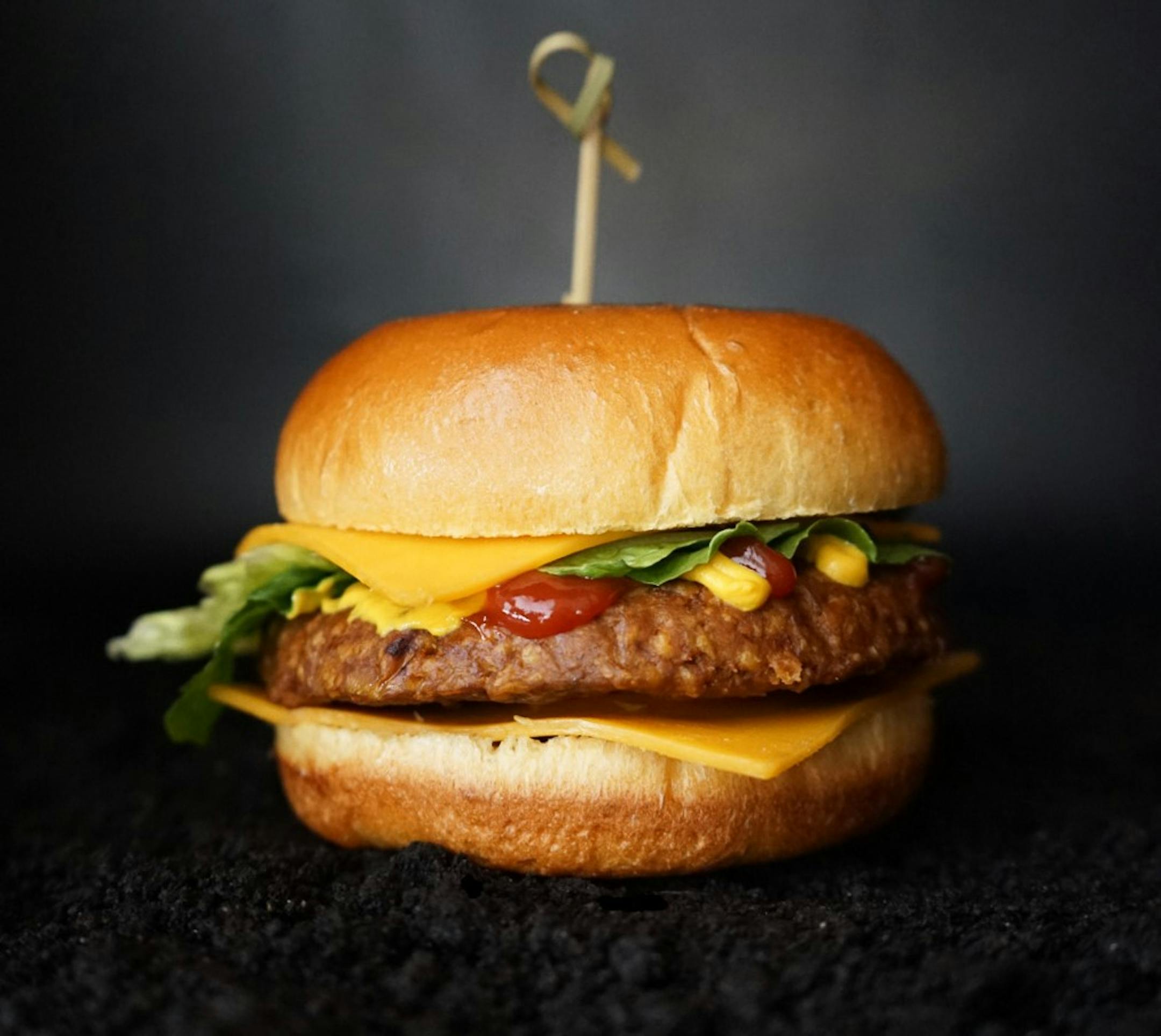
The Impossible Burger, which first appeared in grocery stores in September, is made entirely of plant-based ingredients. But it looks, smells, feels and — most importantly — tastes so much like real hamburger beef that it's hard to tell the difference between, say, the Impossible Whopper now available at Burger King and the original charred-flesh version that the fast food chain has been selling for decades.
In fact, plant-based burger alternatives from companies such as Impossible Foods and Beyond Meat, both based in California, have evolved so far from the cardboard-tasting alternatives of yore that they have triggered a backlash from the beef industry.
The Center for Consumer Freedom, a nonprofit that advocates on behalf of the fast food and meat industries, among others, has launched an "informational" campaign targeting plant-based meats. The campaign has included TV and online ads, as well as print ads in newspapers. The ads seem to imply that not only is a faux burger an "ultra-processed" patty, but that it might be junk food that is even junkier than the average beef burger.
While it's true that a plant-based meat alternative is processed — meaning altered in the preparation process, like just about everything else at the grocery store — and it's true that eating one is not as healthy as say, a pile of raw vegetables, it's best to take the ads with a generous pinch of salt. (Or sodium, which the ads correctly note is higher in precooked plant patties than in the beef kind.)
For instance, the additives and preservatives in plant-based meat highlighted in one ad sure sound scary. Who wants something called titanium dioxide in their meal? But the truth is that additives such as those listed in the ads are regularly used in all sorts of packaged foods.
And if methyl cellulose, a food thickener, sounds unappetizing, it's really nothing compared with the E. coli or salmonella poisoning you can get from regular meat. The truth is that beef and other industrial meats are often packaged with things a lot more dangerous to human health than food additives. You want to talk about a public health threat? The widespread prophylactic use of human-grade antibiotics in cows and other livestock has contributed greatly to the rise of lethal antibiotic-resistant organisms.
Besides, the ad campaign misses the bigger point. Choosing an Impossible or Beyond burger at one of the growing number of fast food and sit-down restaurants that offer them isn't just about eating healthfully (though they typically have less fat and cholesterol than beef hamburgers). Burgers, be they made from processed pea protein or processed slaughtered mammal, will never be as healthy as organic raw vegetables.
What's appealing is the prospect of enjoying a juicy burger without the bitter aftertaste of guilt.


