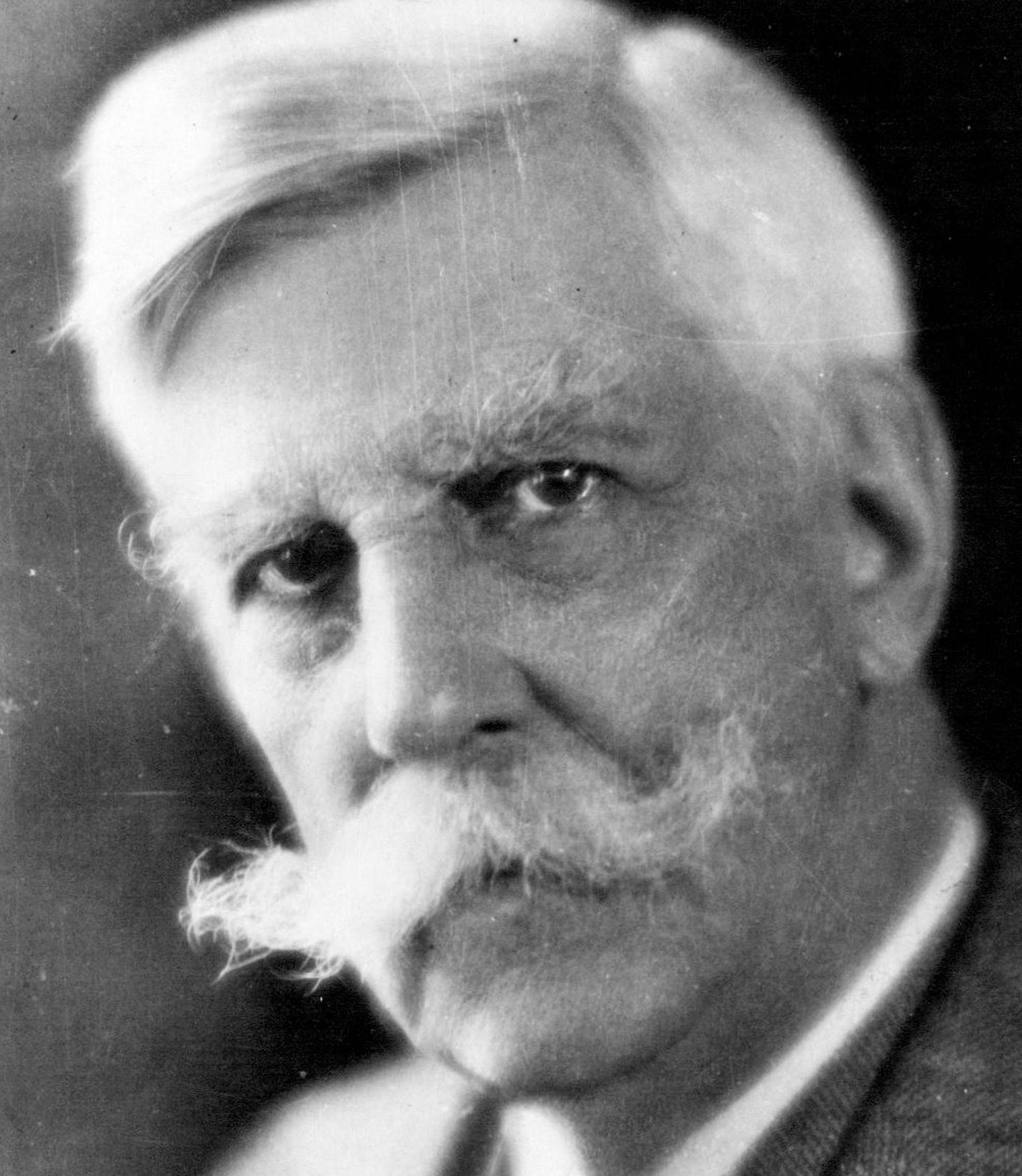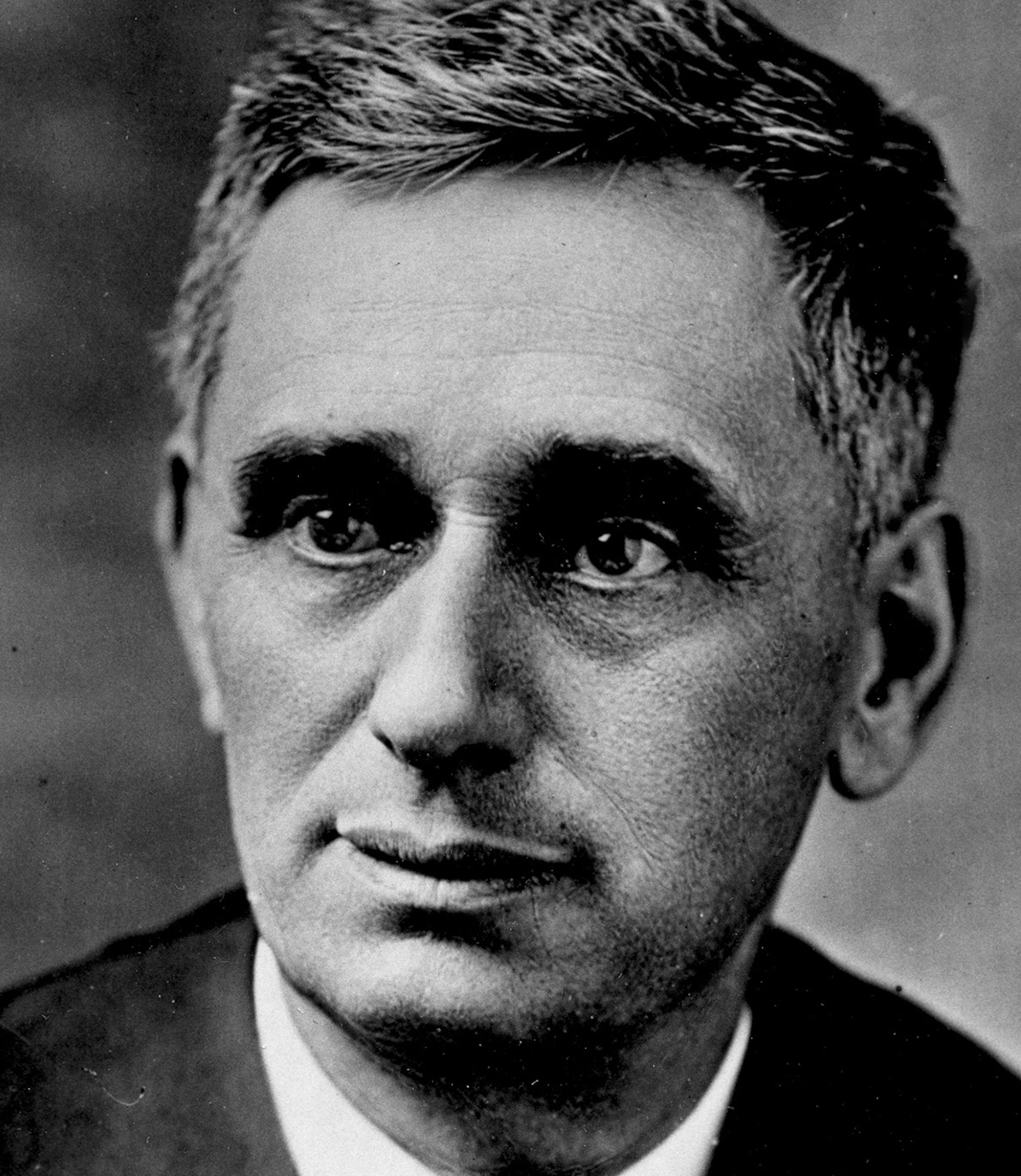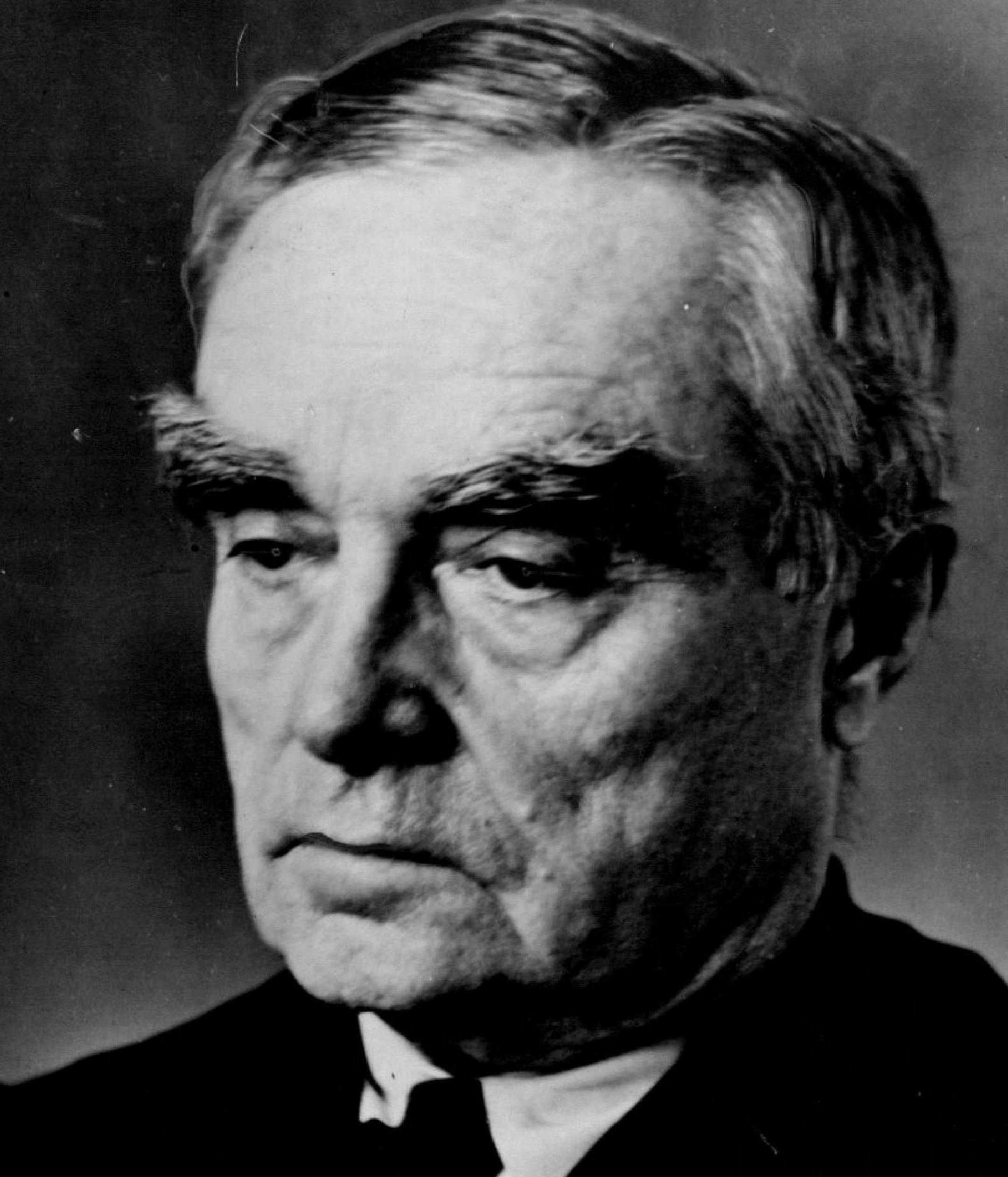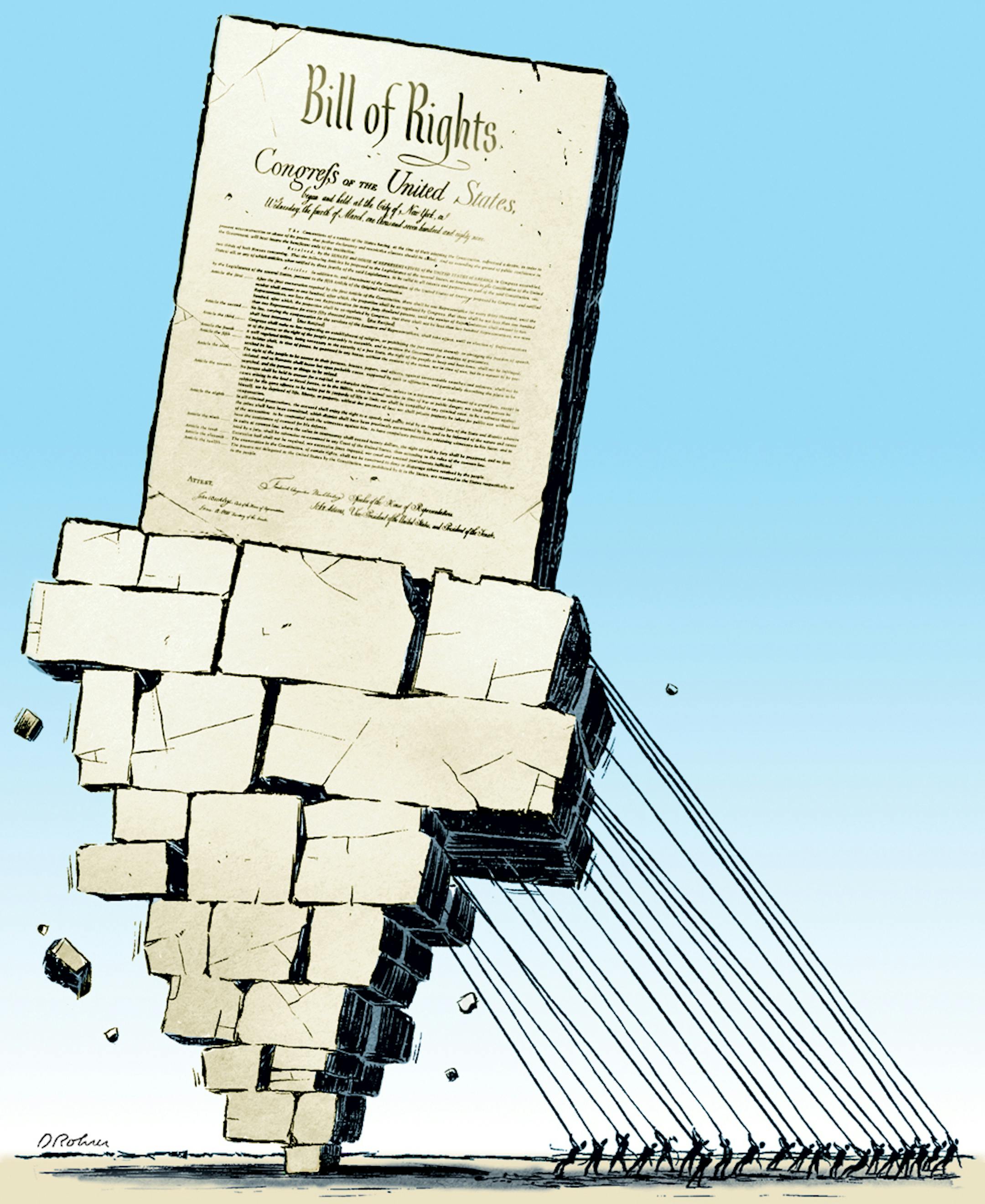
The intensifying focus on terrorism — and on the Islamic State in Iraq and the Levant, in particular — poses a fresh challenge to the greatest American contribution to the theory and practice of free speech: the "clear and present danger" test. In both the U.S. and Europe, it's worth asking whether that test may be ripe for reconsideration.
As developed by Supreme Court Justices Oliver Wendell Holmes and Louis Brandeis in the first decades of the 20th century, the clear and present test ensures strong protection for almost all speech, forbidding the government from regulating speech unless the danger is both likely ("clear") and imminent ("present"). If a person were to say that "the U.S. government should be overthrown" or "the more acts of terrorism, the better" or that "all Muslims should join ISIL," she couldn't be punished unless those statements were likely to produce imminent lawless action.
As it is usually understood, that test protects a lot of dangerous speech, including many forms of recruitment and propaganda for terrorist purposes. Holmes himself issued a stern warning against "attempts to check the expression of opinions that we loathe and believe to be fraught with death."
It is important to appreciate that the "clear and present danger" test was accepted relatively recently. In their time, Holmes and Brandeis were dissenters; the Supreme Court didn't fully adopt their view until 1969. Both during and after World War I, the free-speech principle was widely understood to allow the government to punish speech whenever it had a "bad tendency," meaning a tendency to produce harm.
As the court ruled in 1925, there would be no protection of speech whose "natural tendency and probable effect was to bring about the substantive evil which the legislative body might prevent." Under this test, of course, terrorist recruitment activity would not be protected.
As late as 1951, the Supreme Court allowed regulation of speech even when the danger was neither clear nor present. In Dennis vs. United States, the court upheld a conviction of people trying to organize the Communist Party to overthrow the U.S. government. The justices refused to understand the "clear and present danger" test to "mean that, before the Government may act, it must wait until the putsch is about to be executed, the plans have been laid and the signal is awaited."
In words that could easily be repeated today, the court found it sufficient that the revolutionaries wanted to "strike when they thought the time was ripe." When the safety of the community was at grave risk, because of "an apparatus designed and dedicated to the overthrow of the Government, in the context of world crisis after crisis," the government could act to stop horrific harm, even if it was neither likely nor imminent.
One of the greatest and most influential judges in U.S. history, with the unlikely name of Learned Hand, also rejected the "clear and present danger" test. He believed that the free-speech principle didn't protect explicit or direct incitement to violence, even if no harm was imminent. If you're merely agitating for change, the government cannot proceed against you, but if you're expressly inciting people to commit murder, you aren't protected by the Constitution.