

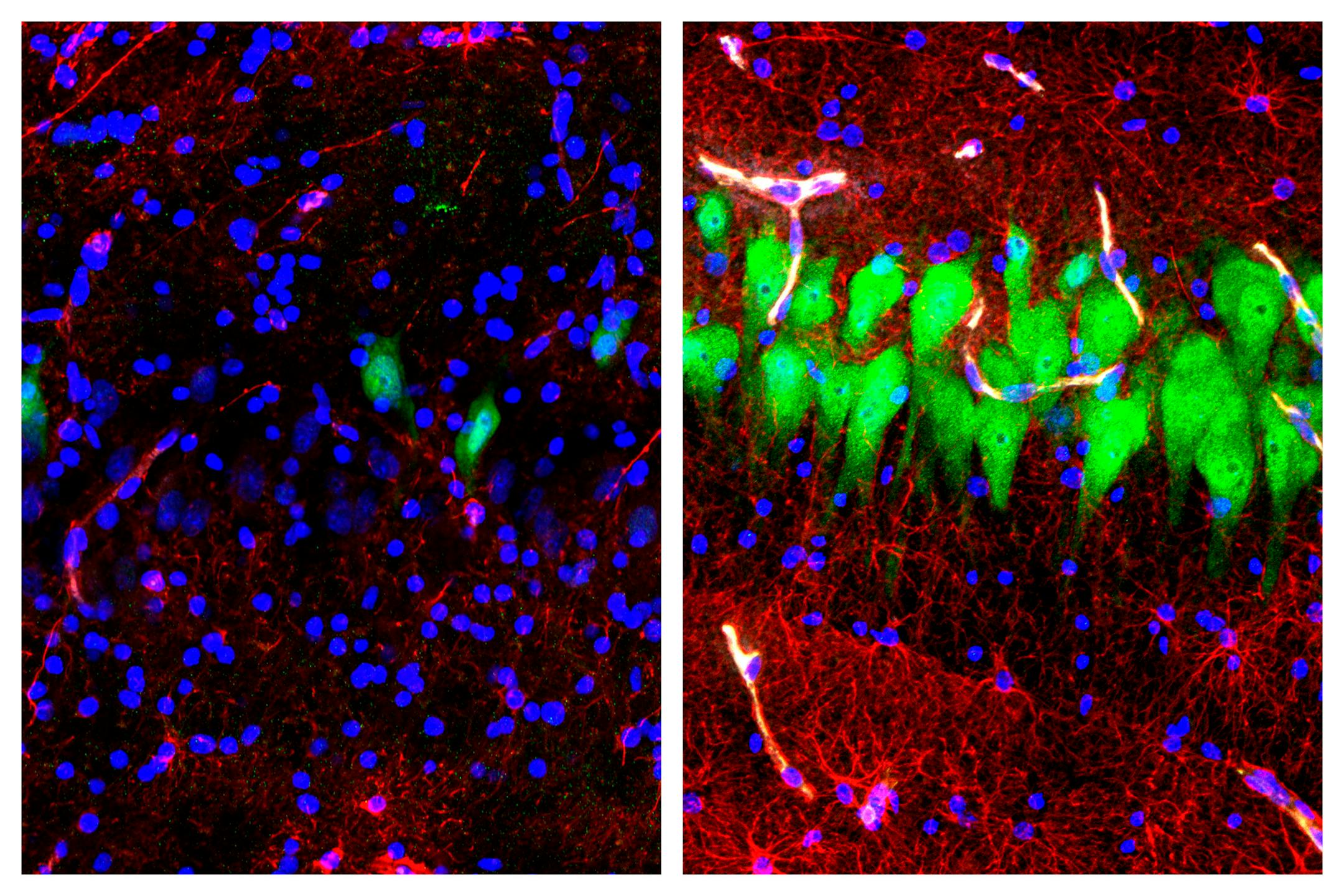
It's alive! Like something out of Mel Brooks' "Young Frankenstein," a group of scientists at the Yale School of Medicine recently tried to revive dead brains from pigs. As reported recently in the journal Nature, by pumping and filtering nutrient-filled fluid through the brains' blood vessels, the scientists managed to preserve some brain cells that were dying and restore some cellular function.
A technological feat, to be sure. Does this call into a question the finality and irreversibility of brain death as death? I think not.
I've been a passionate activist on behalf of organ donation for 18 years, so this is not an abstract issue to me. If a person declared brain dead is not actually dead, or if that condition is reversible, it would be immoral to remove organs for transplantation because that would be killing the donor. That is not what this study shows, however. And yet the response seems completely disproportionate to its findings.
Bioethicist Nita Farahany of Duke University School of Law remarked: "It was mind-blowing … . We had clear lines between 'this is alive' and 'this is dead.' How do we now think about this middle category of 'partly alive'? We didn't think it could exist." Hank Greely, president of the International Neuroethics Society and a Stanford law professor, said: "It blew me away … . Assuming always that this work is replicated, I think it's going to force us to think harder about how we declare somebody dead or not."
Frankly, I'm amazed at their amazement.
For years, researchers have been culturing cells taken from brains that were oxygen-deprived for more than eight hours. The only thing new here is that the cells remained within the brain structure instead of being put in a petri dish. There was very limited restoration of cellular function. More importantly, there was no restoration of brain function — no communication between cells or coherent organized neurological processes.
And what indeed are the ramifications of extending the life of cells in an organ that doesn't work? Professors of bioethics Stuart Youngner and Insoo Hyun at Case Western Reserve University School of Medicine suggest this means that the medical community needs to debate when it's reasonable to abstain from removing organs from brain-dead, heart-beating bodies in order to focus on "brain resuscitation."
But there is a world of difference between cells and an organ. Live heart cells can be found inside a dead heart; that doesn't make the heart alive. Just because there are living cells in a brain doesn't mean there is consciousness, thoughts, pain or pleasure.


