

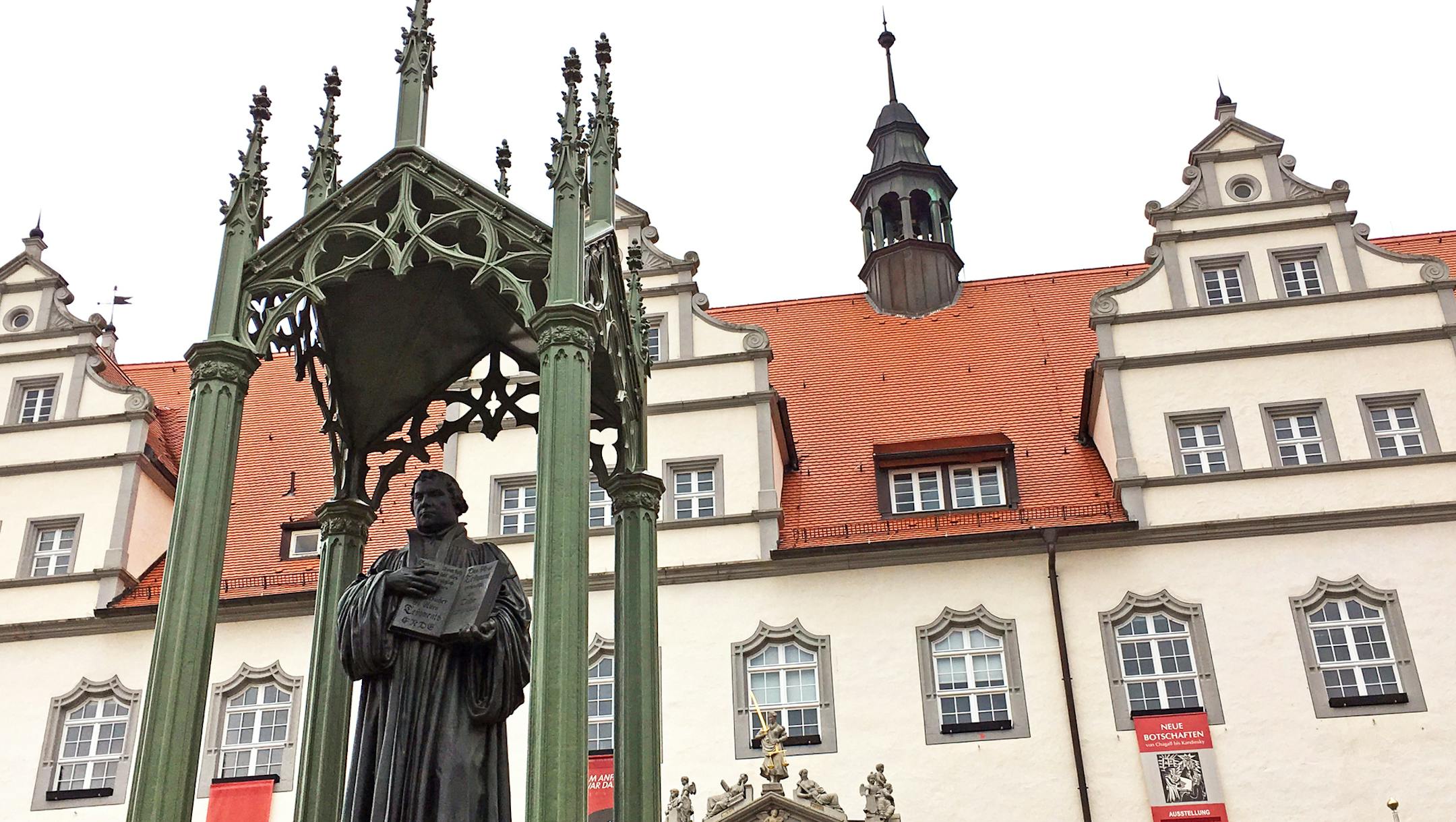
On Oct 31, 1517, 500 years ago next Tuesday, Martin Luther posted on a church door in the small town of Wittenberg, Germany, 95 questions about Catholic theology that he intended to debate in public.
With that small act of insubordination, Luther unintentionally set off a chain of events that, step by step, produced our modern world.
With his questions, Luther precipitated the Protestant revolution in Christian understanding of what it takes for us in this world to know the will of God.
The ensuing conflict between Protestants and Catholics gave rise to science.
Science and its stepchild, technological innovation, when combined with new arrangements for raising funds and organizing work, in turn gave rise to capitalism in Holland, Scotland, England and their colonies in North America.
On a parallel track, the Calvinist version of Protestantism in England gave birth to constitutional democracy.
Science, capitalism, constitutional democracy — all thrive because of individuals, the work they do and the responsibilities they assume.
When Luther concluded that God's priesthood embraced all who would believe, he created modern individualism where each of us has a personal responsibility to act for the best. We individuals, not the institutions above and around us, have the right and the power to create the world.


