Twitter, Facebook and Instagram offer journalists the perfect platform to promote their work and live shot locations in an effort to boost viewership, but security experts tell TheWrap that users should think twice about what information they share.
And the fatal on-air shooting of two TV reporters in Roanoke, Virginia, on Wednesday showed just how vulnerable journalists can be when working in the field, a situation only made worse by the use of social media.
"It's a darker use of social media," veteran former FBI profiler Clint Van Zandt told TheWrap. "There's something about us that lives vicariously through something like that. We want to see the violence, we want to feel the pain."
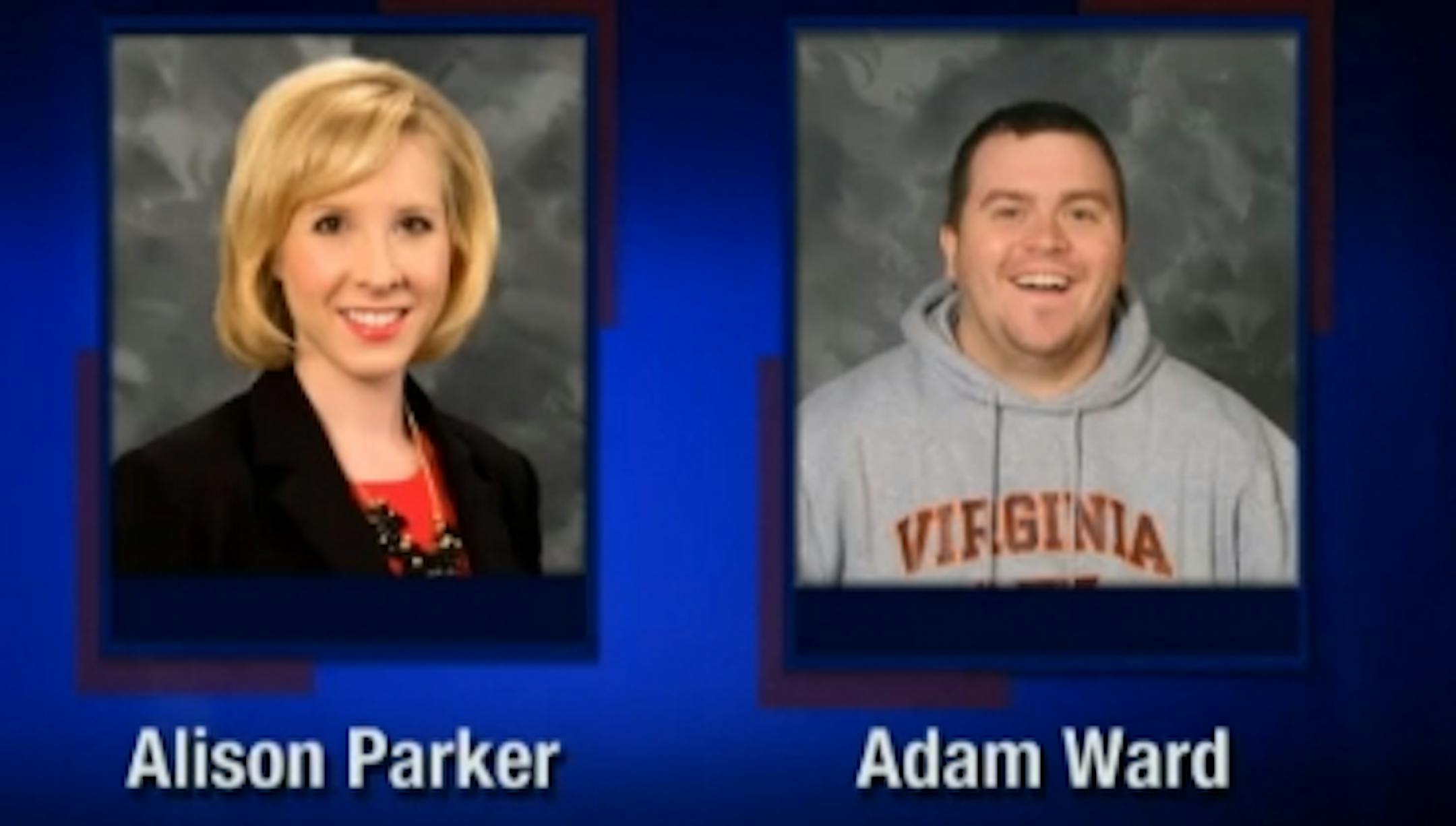
According to police officials in Virginia, WDBJ reporter Alison Parker and cameraman Adam Ward were gunned down by disgruntled former colleague Vester Flanagan, while they were broadcasting live.
But the incident has shown that social media can serve not only as an asset to those looking to commit violent crimes but also a motivating factor in their actions, a way for them to achieve the notoriety they're hoping for.
In addition to the footage captured by WDBJ's own live feed, Flanagan recorded the attack himself on a mobile phone. He then uploaded the video to Twitter and Facebook. Within minutes it went viral.