

A few months ago at a family reunion in Hawaii, Sue Ross' niece cut her foot while swimming in the ocean. When the foot turned red and swollen, Ross snapped a digital photo and e-mailed it to her family doctor in Minnesota. The physician noted the bright red streaks, a telltale sign of infection, and ordered the family to get immediate treatment.
"We found out it was a piece of sea urchin," said Ross, of Delano, whose niece quickly recovered after a round of antibiotics. "It's such a hard call. You're on vacation, you don't want to take the time and trouble to go in if you don't need to, but at the same time, you don't want it to get worse."
As mobile gadgets become more commonplace and doctors become more comfortable making simple diagnoses over the phone or Internet, the field of tele-medicine is expanding rapidly.
Doctor-to-patient interactions like Ross' are a small-but-growing slice of the $3.9 billion global tele-medicine market, which includes remote X-ray reading, apps for smartphones and in-home devices that monitor weight, blood pressure or glucose levels.
"In a couple of years, it's going to be what everybody expects from their physician," said Jonathan Linkous, of the Washington, D.C.-based American Telemedicine Association.
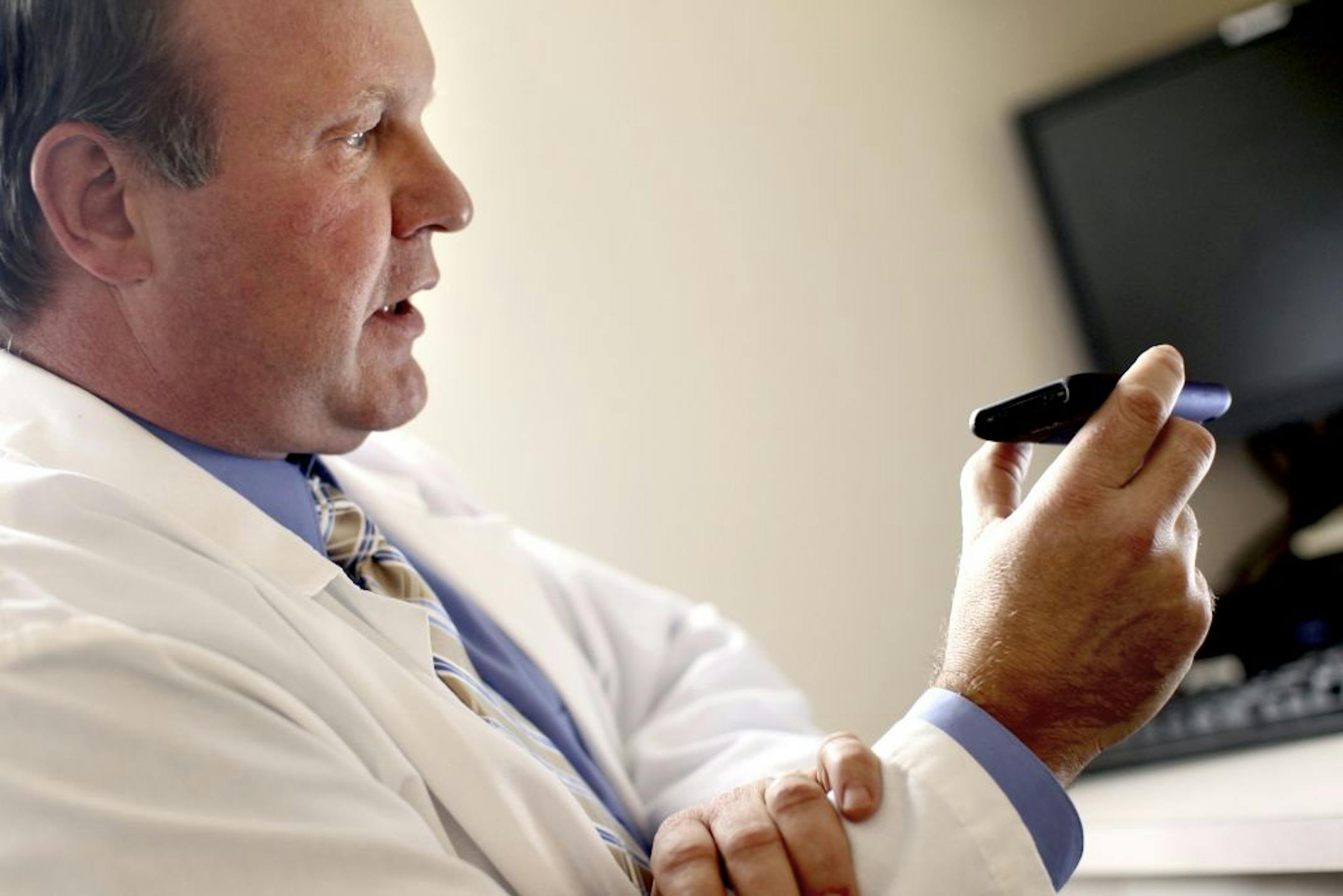
Dr. Douglas Smith, the physician who diagnosed the infected foot, is banking on it.
Smith operates a solo family practice in Plymouth, and was a co-founder of MinuteClinic. In his latest entrepreneurial venture, Smith is an investor and chief medical officer of Consult A Doctor, a company that operates a nationwide network of 300 licensed, board-certified doctors who are available 24 hours a day to consult and write basic prescriptions for patients via phone, e-mail or videoconference.
Consult A Doctor, based in Miami Beach, Fla., has done more than 200,000 consultations in the past six years over a secure, cloud-based, network compliant with HIPAA (Health Insurance Portability and Accountability Act).



