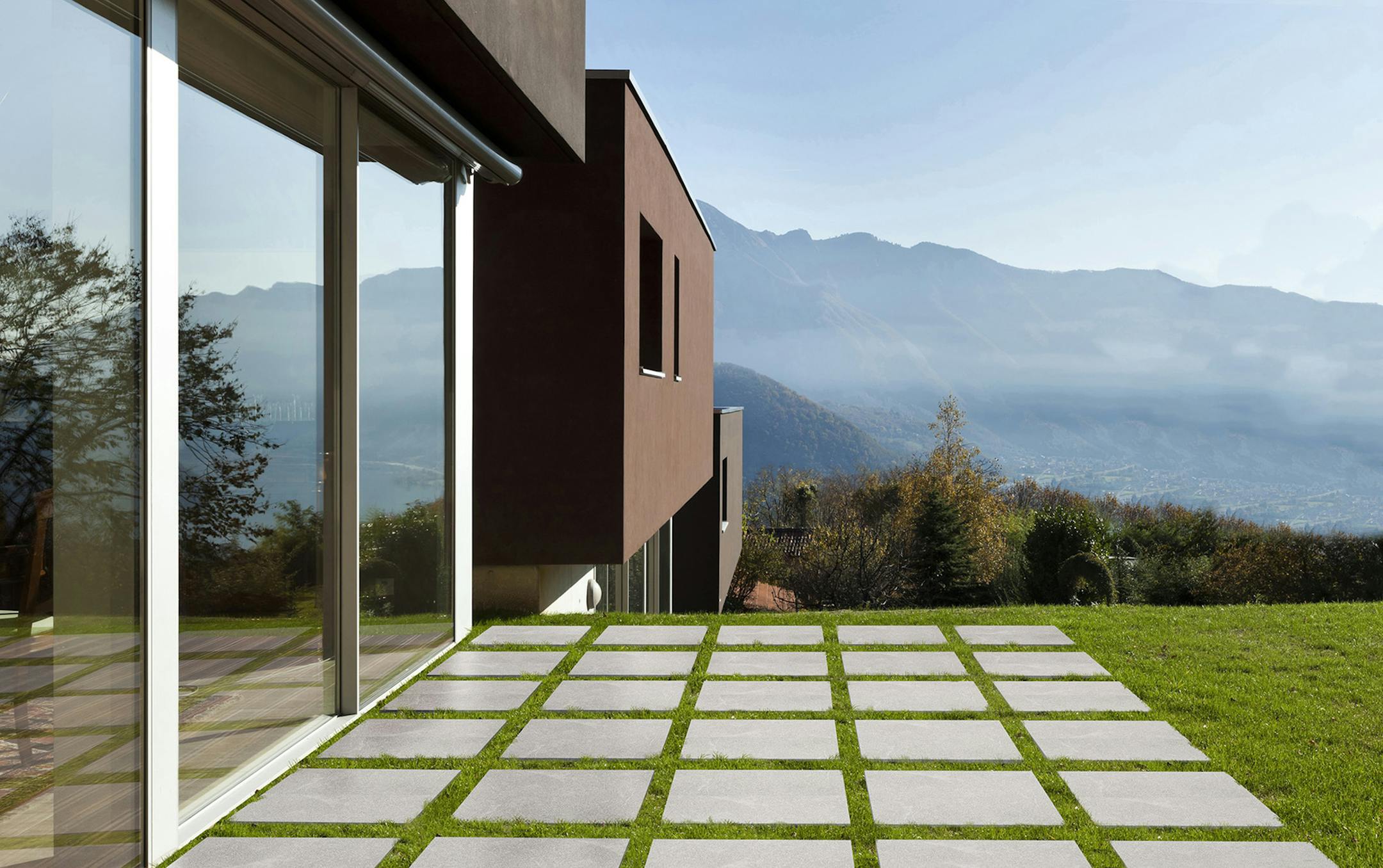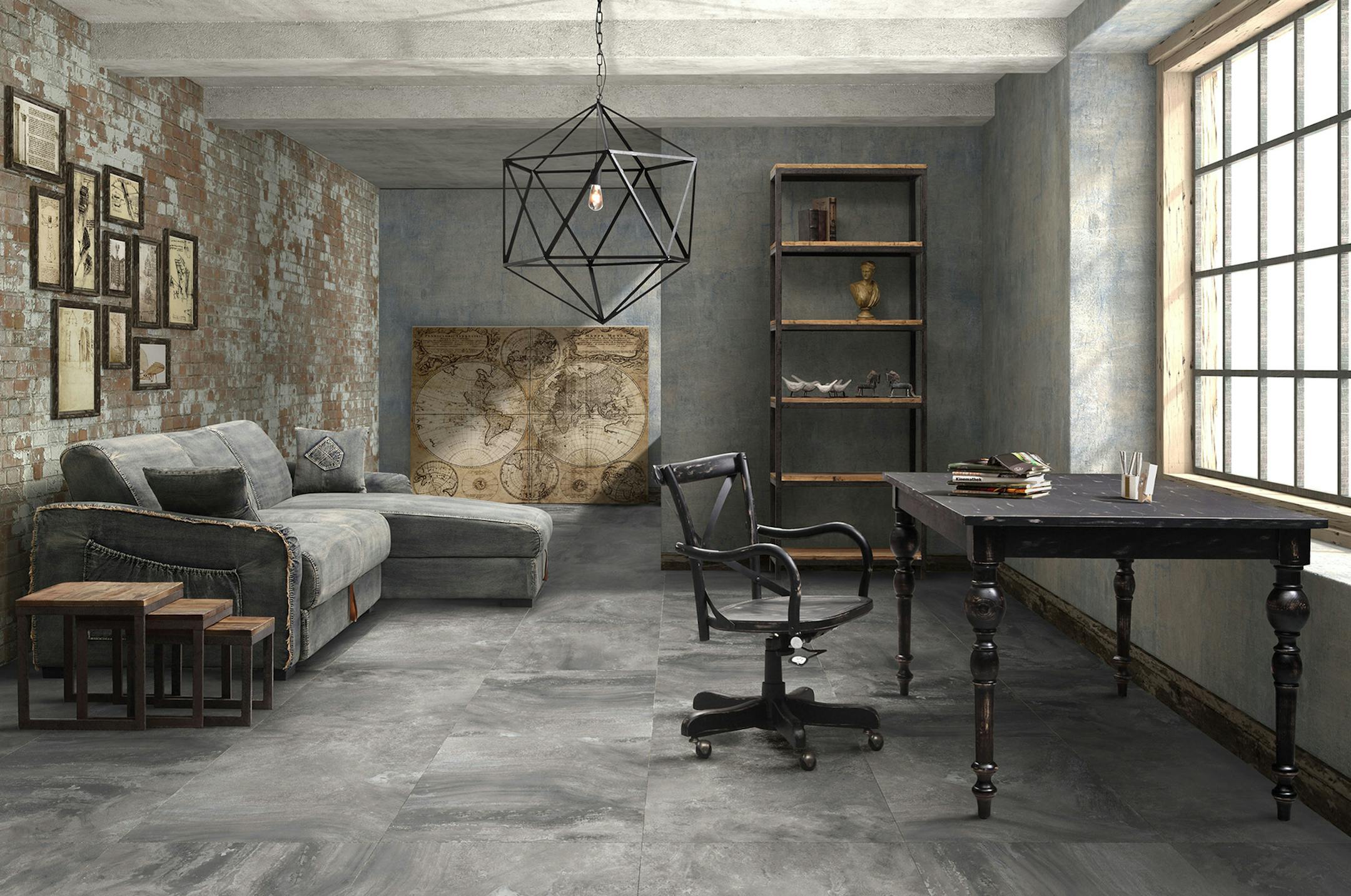
The ceramic tile industry is being revolutionized. What you'll soon see in stores are products that blend 3-D digital-printing technology, century-old manufacturing techniques and skilled artistry.
Digital-printing technology allows manufacturers to produce ceramics that look, feel and perform as well as or better than natural stone or wood. The look is so realistic that you have to remind yourself it's not the real thing.
But don't think this is just about mimicking a look. It's much more. It's about creating a product that is easier to keep clean, more durable and more affordable to install.
The product is man-made, so it can be produced in a variety of colors, finishes and sizes.
This year's Coverings '15, an international tile and stone trade show in Orlando, featured more than 1,100 global exhibitors in spaces spanning 430,000 square feet. I spent three inspiring days exploring and learning about new products for floors.
Large formats and varying thicknesses are not a problem for the ceramic industry. You can get slabs as large as 5 by 12 feet and in thicknesses from ⅛ inch to 2 inches.
These products can take on the characteristics of a natural stone or wood and add colors Mother Nature might never have dreamed of. For designers and architects, that's a dream come true.
Americans are fond of wood floors, but the material is not suitable for every location, especially high-traffic areas or kitchens, laundry rooms and baths.