

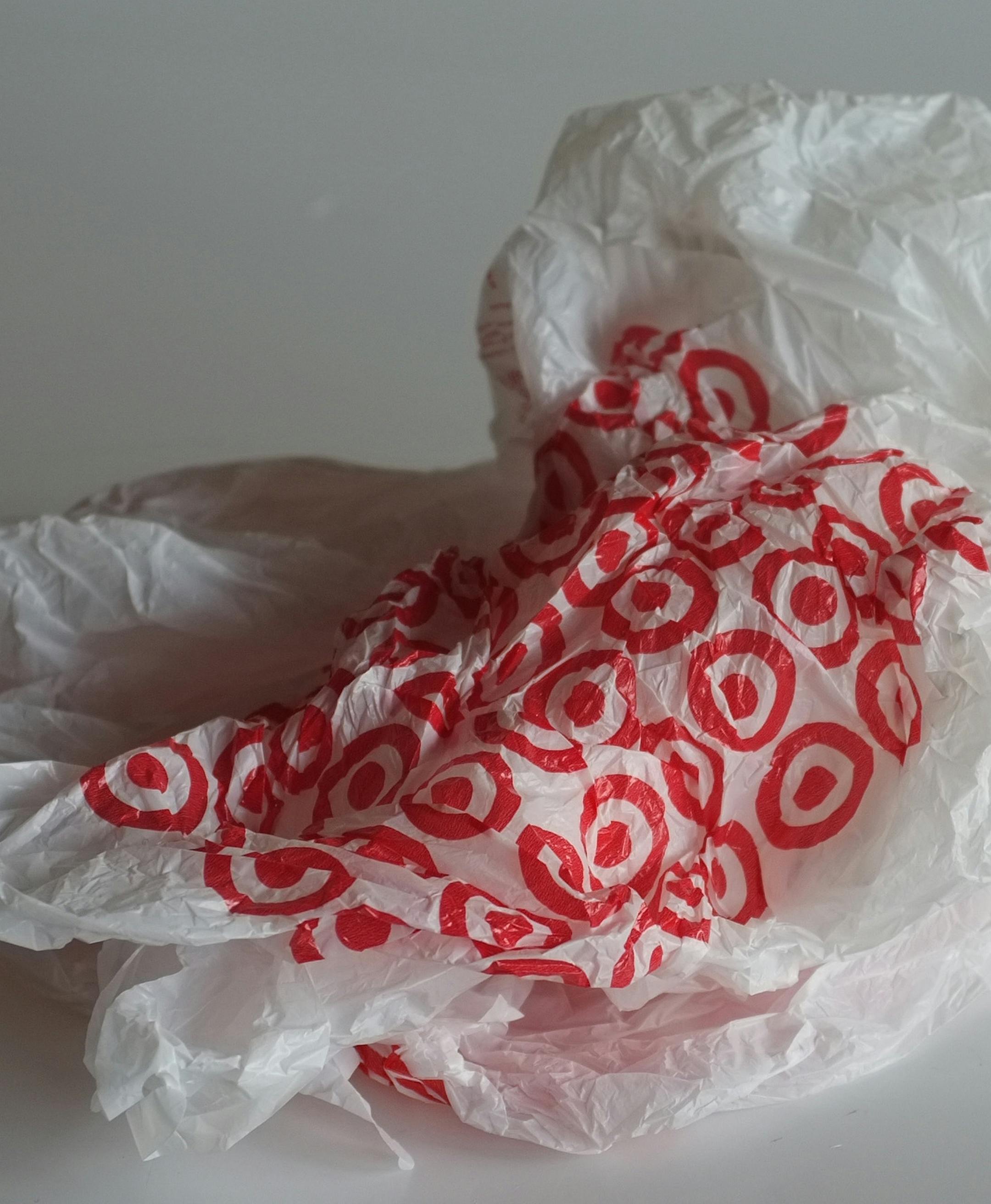
For years, corporations have told us that if we recycle more and do our individual parts, we can help tackle plastic pollution. But we now know that this will never be enough.
Only 9% of all plastic ever made has actually been recycled. To truly stem the tide on plastic pollution, we need the corporations that rely on cheap throwaway plastics to stop producing them to begin with. And we need major retailers, like Target, to shift toward reuse systems.
It is time for a reckoning that moves the world beyond single-use plastics.
Much of the focus over the last few years has centered upon the plastics used by consumer goods companies, like PepsiCo and Coca-Cola, and by fast food giants like Starbucks and McDonald's. But U.S. retailers have an equally important role to play in addressing plastic pollution, and it is time they show that they are taking this issue seriously.
Greenpeace recently released its first-ever scorecard of retailer efforts to tackle single-use plastics. Twenty major U.S. retailers were evaluated on policies, plastic reduction efforts, innovation and initiatives, and transparency. Every single retailer received a failing score.
Target scored a dismal 17 out of a possible 100 points. Across the board, U.S. retailers have not acted with the urgency and scale needed to address this issue.
For the most part, single-use plastics enter Americans' lives in the places where they shop. A visit to your local Target will find aisle upon aisle stuffed with plastic-wrapped food, throwaway soda bottles, non-recyclable chip bags, and many other goods in single-use plastic. A trip to the checkout counter will find those plastic-wrapped products being shoved into mostly throwaway plastic bags.
Despite ongoing petitions from customers, Target has ignored the calls to end its reliance on throwaway plastic packaging and bags.


