

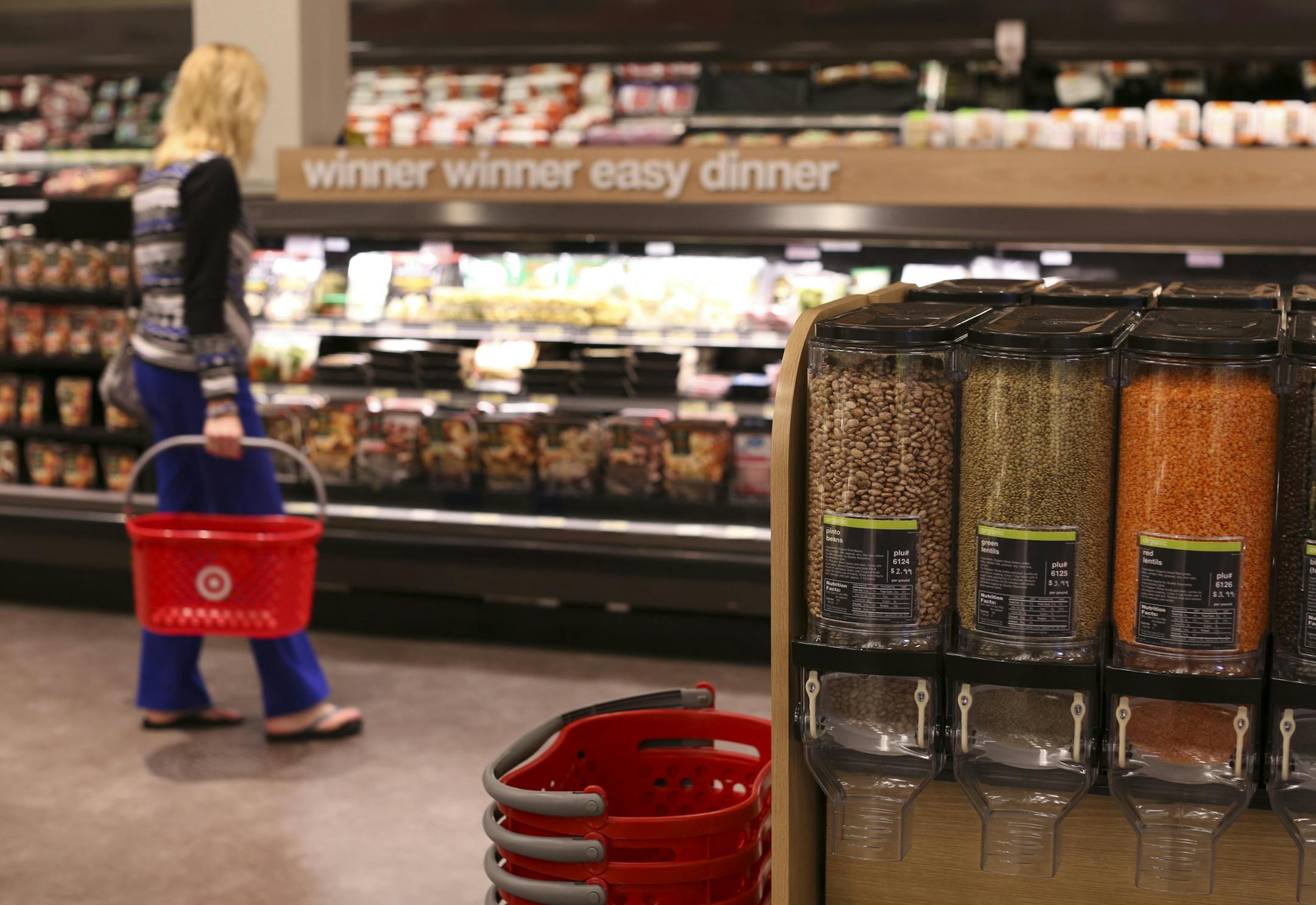
Target Corp. is seriously considering partnerships with outside companies to help shore up a creaky fresh-food supply chain that has led to chronic shortages on store shelves.
"There is an opportunity to use some partners who may be able to do things a little bit better," John Mulligan, the company's chief operating officer, said in an interview.
Minneapolis-based Target's supply chain evolved over time as it expanded its offerings, including more fresh food, he said, leading to a patchwork system. "I said to my team, 'This looks like Frankenstein. We have made this thing out of a bunch of parts.' "
Mulligan said Target has increased food sales by bringing its edible products more into line with the 'cheap chic' ethos of other store offerings, such as clothing and housewares. That strategy has meant a greater focus on such things as organics, fat-free yogurts and other healthy food trends.
But, he said, the company's supply chain for fresh food isn't fully reliable in many parts of the country.
The potential shift to relying on outside partners comes as Target pushes to revamp its food business with newer offerings and aims to get a bigger slice of online grocery sales, which will put new pressures on its food supply chain.
Target has lagged behind competitors such as Wal-Mart Stores Inc. and Amazon.com Inc. in e-commerce, but it is now stepping up its emphasis on such sales. Recently, the company signed a deal with online delivery service Instacart to pick up Target groceries and deliver them to customers in some cities.
In March, Target told investors it intended to spend $1 billion to improve its supply network and online sales technology. In August, it promoted then-CFO Mulligan to the new position of chief operating officer to oversee the efforts.
![More organic selections in the produce department of the grocery area at the Target in Minnetonka. ] JEFF WHEELER ï jeff.wheeler@startribune.com Shoppers at the Target store in Minnetonka are getting a glimpse of the retailer's grocery overhaul, which is a major part of CEO Brian Cornell's blueprint for Target's future. The store, which is finishing up a $10 million renovation, is testing out some of the ideas Cornell has to remake its grocery department. The nearly-completed remodel of the](https://arc.stimg.co/startribunemedia/4K4EBR3MMPTSLA53W74MYCA4EI.jpg?&w=1080)


