

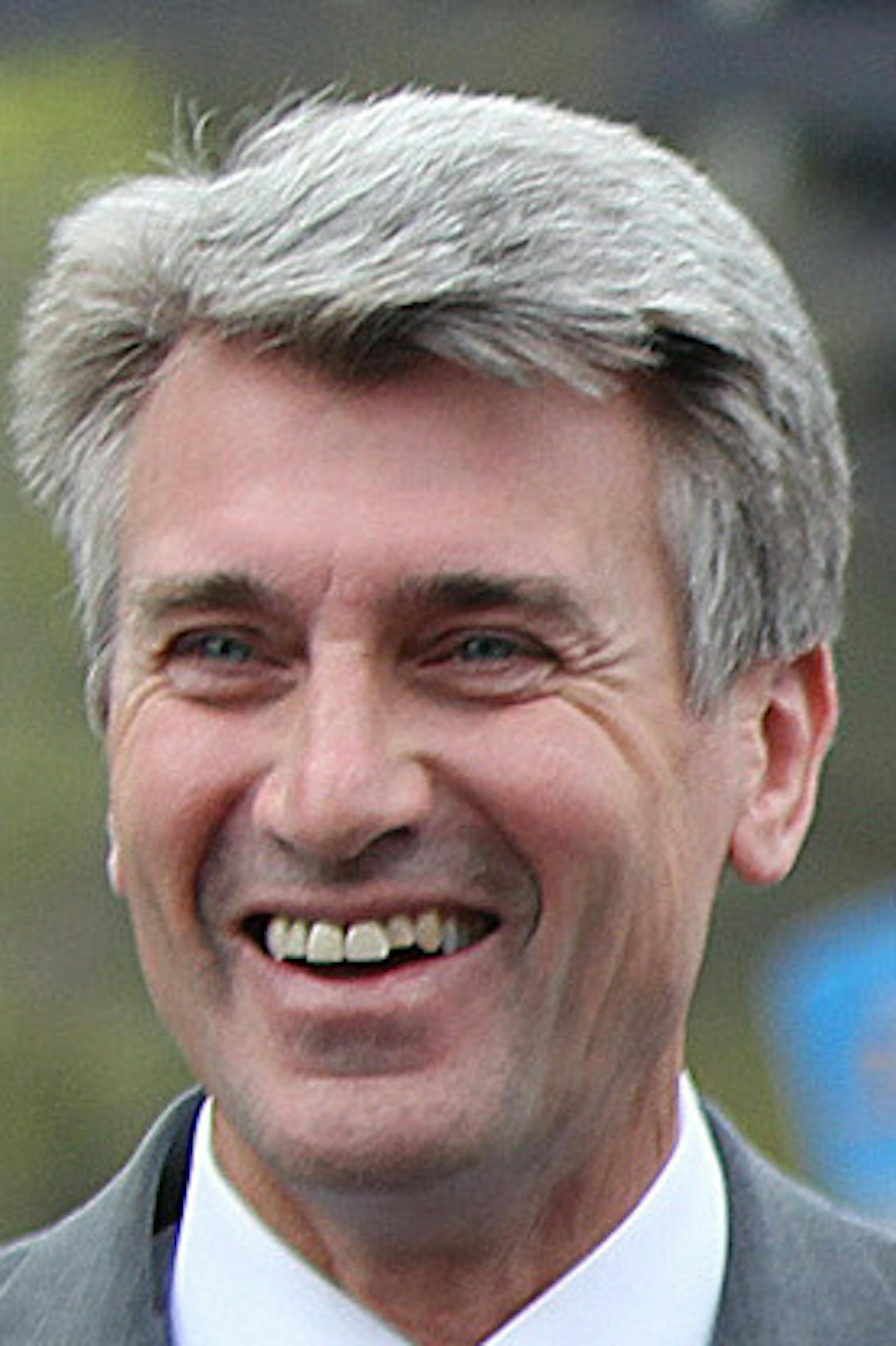
Most people have hobbies, former Minneapolis Mayor R.T. Rybak often notes. Some golf. Some paint. He tries to elect Democratic presidents.
It's got to be tough for a fellow with that favorite pastime to stay neutral in the run-up to Tuesday's precinct caucuses, the neighborhood DFL and GOP meetings at which Minnesotans get their chance to help nominate this year's presidential candidates. But Rybak vowed not to take sides in this year's Democratic internecine fight when he became vice chair of the Democratic National Committee in September 2011, and he was sticking to his word last week when I asked whether he is allied with Hillary or "feeling the Bern."
I didn't press him too hard. Rybak had already supplied a useful frame for thinking about the contest between Hillary Clinton and Bernie Sanders — and maybe shed some light on the Donald Trump-dominated circus in the GOP, too. I found it in his about-to-be-launched memoir, "Pothole Confidential: My Life as Mayor of Minneapolis," in the chapter describing a pivotal point in his 12-year mayoral tenure. The chapter is titled "The Thin Line Between Love and Respect."
Rybak wrote that it took his full first term and a difficult, knee-wrenching re-election campaign in 2005 for him to acquire "a fundamentally different view of my job" than he had when first elected. Like many newbie politicians, he worked hard after his 2001 election to please his supporters. It pained him to disappoint them with the service cuts and property tax increases that were epidemic throughout Minnesota after state aid to cities shrank significantly in 2002-04.
He hated backing away from campaign promises, such as his promise to plow both sides of all streets within 24 hours of a snowstorm's end. To his credit, he did back away. He studied the matter and came around to realizing that his plowing plan would have packed the city's impound lot with the towed vehicles of low-income, non-English-speaking residents. But he worried that changing his mind would cost him his job.
To his surprise, some voters whom he had angered put his signs in their lawns anyway in 2005. They may not have loved him as they once did. But they had come to respect him, Rybak learned. "My mandate was not to do everything everyone wanted but instead to do what I thought was right," he realized.
He decided that from that point forward, his aim would be earning voters' respect. The successes of his next two terms proved the value of that intention. Through an interstate bridge collapse, a tornado that ripped up the city's poorest neighborhoods, a return to fiscal health and the rebuilding of nearly a third of downtown, Rybak offered praiseworthy leadership — sometimes reversing previous positions to do so.
The lesson in governing he learned — make respect the goal — doesn't just apply to mayors, Rybak name-dropped last week. President Obama recently told his earliest big-city mayoral backer about a similar evolution in his leadership thinking through two terms in the White House. ("Pothole Confidential" reveals how a certain Minneapolis elected official helped convince Obama to seek the presidency in 2007.)


