

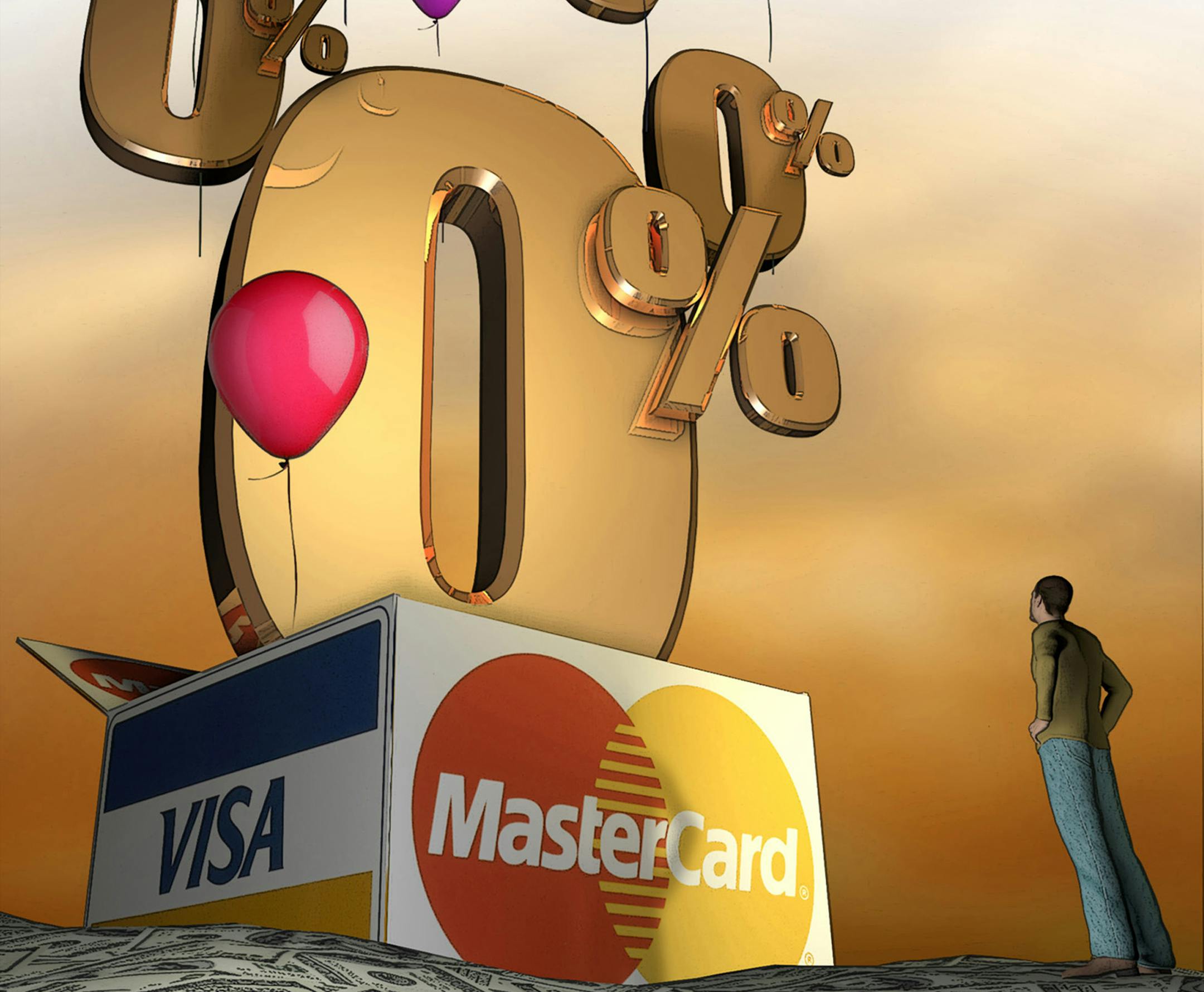
Good news arrived in the mail a few weeks ago from Citibank. And Discover. And US Bank. All were dangling a carrot in front of me also known as a preapproved credit card with 0 percent APR for 12 to 14 months. For a guy with more than $10,000 of unpaid new windows on order, it was a well-timed gift.
I'm not the only one on the receiving end of the nation's banks these days. A barrage of credit card offers is a cyclical phenomenon, said John Ulzheimer, president of consumer education at CreditSesame.com. Sometimes the offers include 0 percent financing, but they can also be balance transfers or sign-on bonuses. The no-interest offers being distributed now are really a "Christmas in July" kind of gift.
"The banks realize we're five months away, but they want to get them in your pockets and activated long before then," he said.
With issuers courting consumers more heavily than they have in years, it's time to review what's changing and how best to take advantage of your credit cards.
If anyone needed more proof that the Great Recession changed people's financial habits, consider that nearly 30 percent of Americans pay off their balances in full each month. That's a 50 percent increase since 2008, according to the American Bankers Association. The ABA's data said that more than half of Americans now have a credit score of 759 or higher, compared to 41 percent in 2008. Middle and higher-income families have contributed to a larger paydown in credit card debt, said Michelle Jones, senior vice president of CredAbility, a nonprofit credit counseling agency. "But lower income families still rely heavily on credit," she said. "And that has not changed since the recession."
Most Americans possess five to seven credit cards, and it's a good idea to go online periodically and check the benefits and fees. Some will double the manufacturer's warranty on purchases, up to one year or provide secondary car rental insurance at no extra charge when the card is used for the purchase. And anyone traveling out of the country should check the card's foreign transaction fees. Most charge around 3 percent on any purchase not charged in U.S. dollars, but some don't charge anything. (A quick check of my credit cards showed a range of 0 percent to 3 percent.) But also be advised that such cards as American Express or Discover may be less accepted in some parts of the world than MasterCard or Visa.
If you aren't getting any tempting offers in the mail and you have good-to-excellent credit, it may be because you have opted out of credit or insurance offers. Go to www.optoutprescreen.com if you want to start getting offers again or want to stop a flurry of unwanted offers. But consumers can search online for a credit card to fit their current needs.
CreditSesame.com rates the best credit cards based on whether a person's credit is excellent (750 or higher FICO score), good (700 to 749), fair (650-699), poor (less than 649) or new to credit. Then it subdivides them into the best offers for cash back, balance transfers, airline miles, student credit cards, 0 percent APR, low-interest rate and rewards. Credit.com adds cards for people with bad credit, secured cards, prepaid and business cards.


