

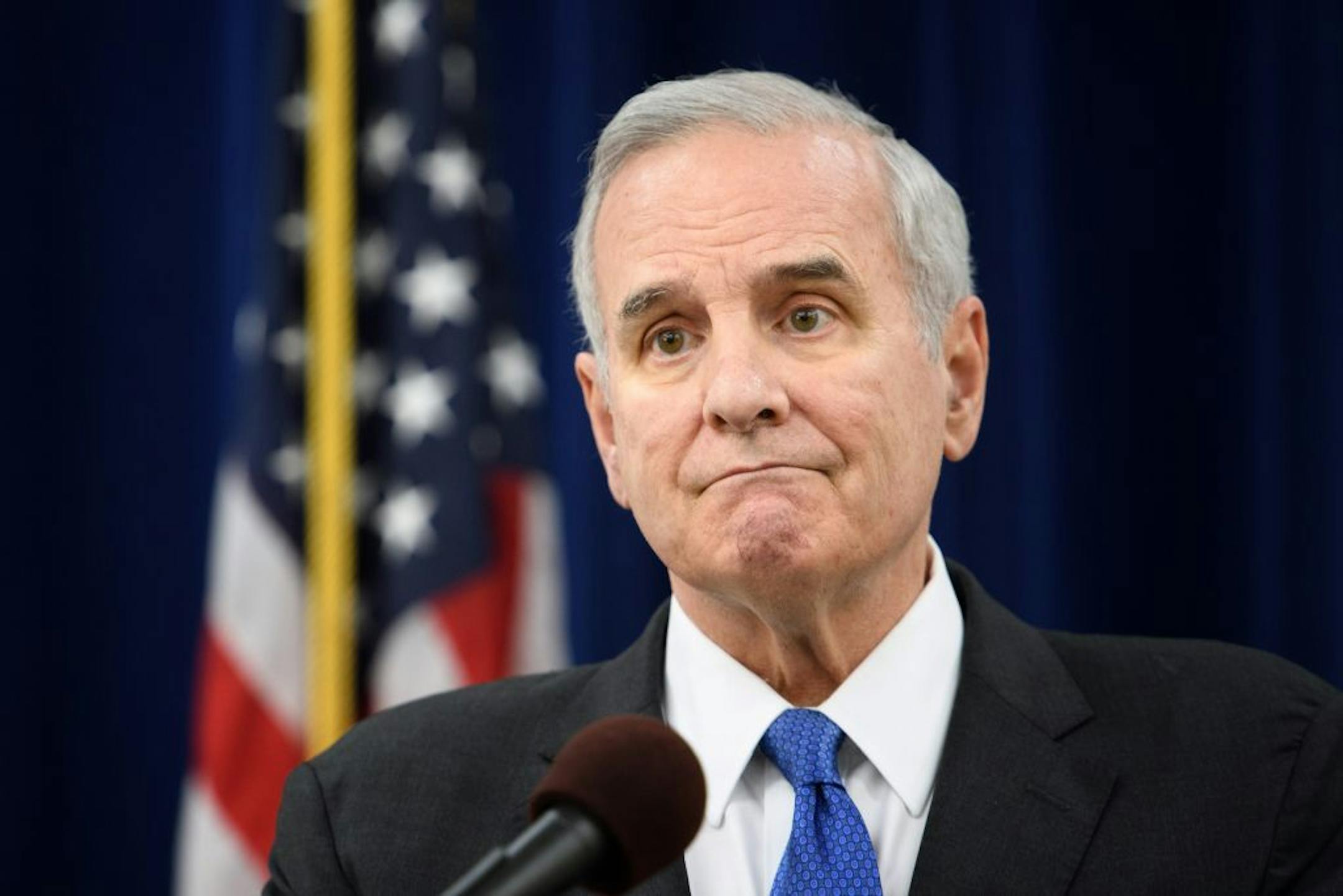
More than a billion dollars in new public spending, tax relief for an assortment of Minnesotans and the public image of the state's politically divided Legislature are all at stake as Gov. Mark Dayton decides this weekend whether lawmakers should get a second chance at a successful session.
Dayton's decision is among the most consequential of his second term so far. Communities across the state stand to economically benefit from the construction bonding bill that stalled over a partisan dispute in the final minutes of the regular session a week ago, and the clamor since then by influential interests to salvage it in a special session has been intense.
"I'm open to a special session," Dayton told the Star Tribune late Friday afternoon, as he prepared for a weekend of plotting next steps in the push and pull between the executive and legislative branches. But he will only call one, he warned, if Republicans agree in advance to boost spending for the University of Minnesota and Twin Cities-based transit programs.
"To me it's about using whatever leverage I have to correct some serious shortcomings," Dayton said.
Election-year politics are in play. The entire Legislature is on the ballot this November, many from areas queued up for state dollars spread around by a bonding bill.
If Dayton and legislative leaders can't set terms for a special session, incumbents — including many members of the House Republican majority who have regularly foiled the DFL governor's agenda — would be forced to explain to local voters why the Legislature couldn't finalize funding for that crumbling highway interchange or badly needed water-treatment upgrade.
"We need to do this for the small cities," said Rep. Jeff Backer, R-Browns Valley. The freshman legislator's district includes Morris, which in the bonding bill that collapsed last weekend was made eligible for $12 million in public money to make state-mandated improvements to its water treatment plant. If the funds are not in place by the end of June, the project's $18 million estimated cost are likely to soar, lifting local water bills with them.
"The governor has been a leader on clean water," said Backer, who in November faces a rematch with the DFLer he unseated two years ago.


