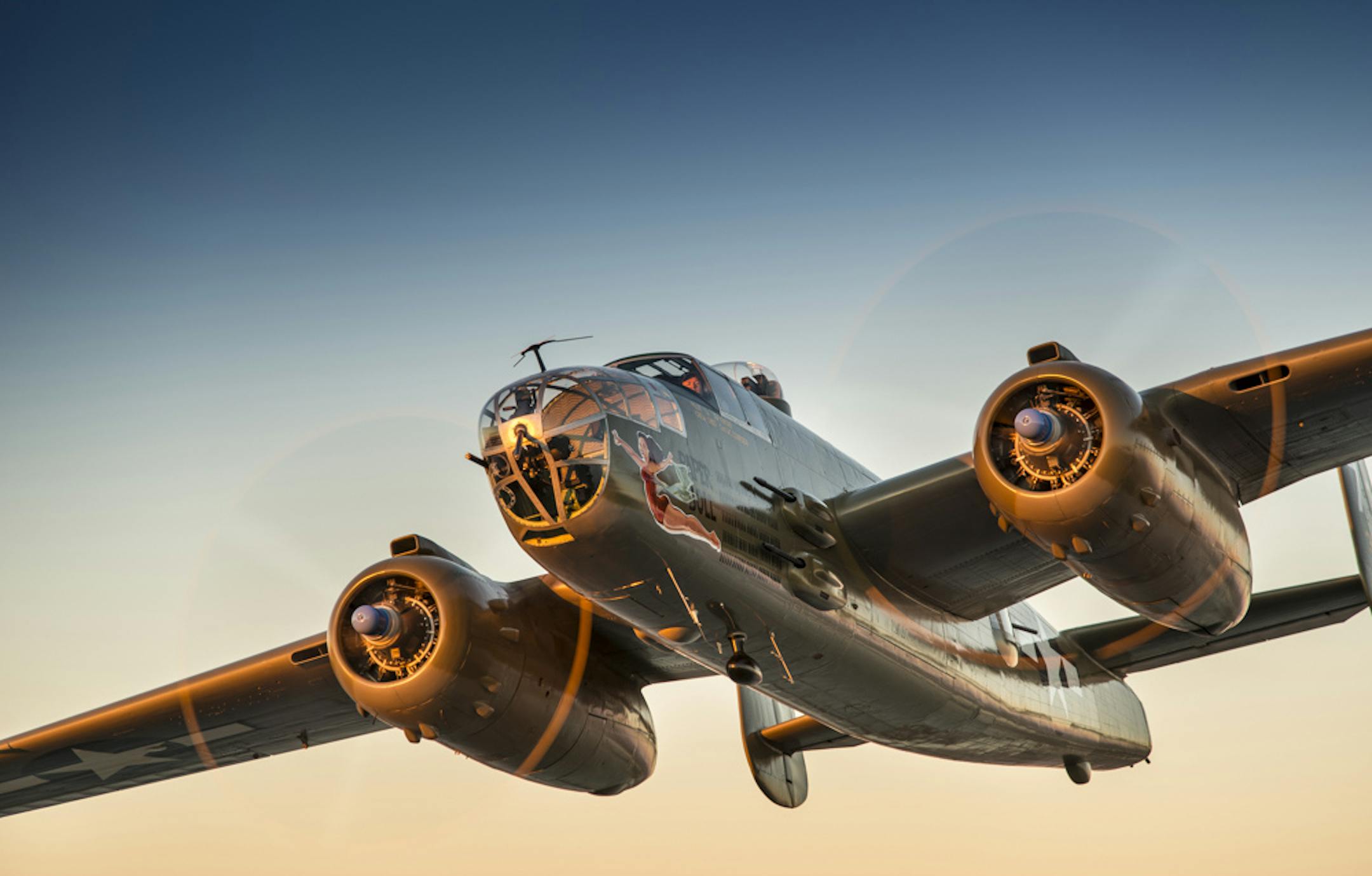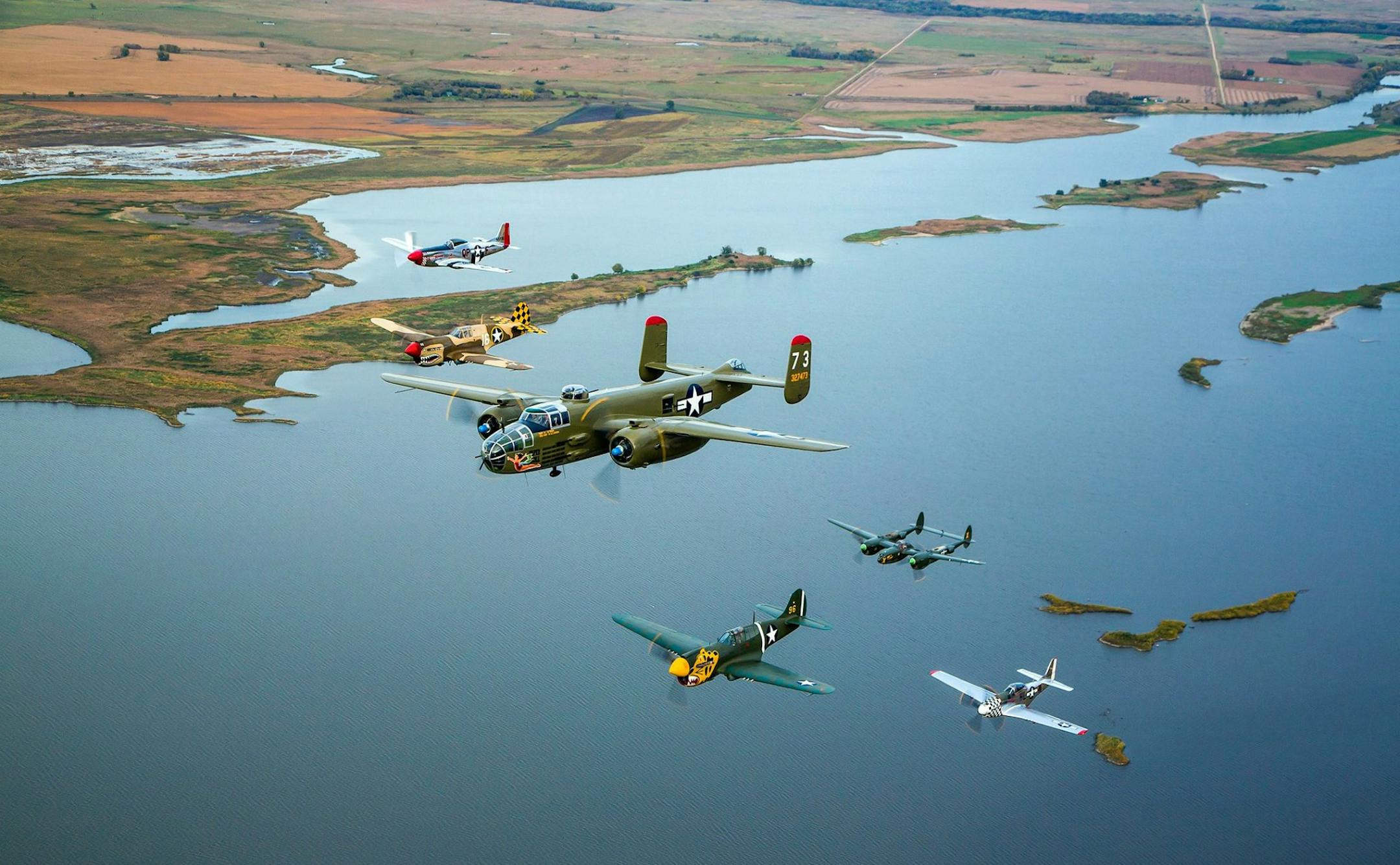
A world-class collection of vintage military planes is the main draw at the Fagen Fighters WWII Museum in Granite Falls, Minn., but this memorial to the 20th-century cataclysm has much more to offer.
Wander through a self-guided tour of the place, housed in three mammoth hangars at Lenzen-Roe-Fagen Memorial Field, and you'll see thoughtful and absorbing exhibits at every turn, all meticulously curated by the Fagen family.
Tommy guns. Flamethrowers. Radios. Knives, grenades, helmets. The paraphernalia of war is everywhere you look.
Yet the human element gets equal time. Exhibits also highlight the civilians on the homefront, with ration books, V-mail and photos of scrap drives. If you look closely, you'll see a heartbreakingly terse Western Union telegram to a family in Canby, Minn., informing them that their son was killed in action in the Philippines.
The latest addition is a boxcar of the type used by the Germans to transport Jews to the death camps and American POWs to prison. The museum's Holocaust exhibit is somber, frank and exceedingly well done. Rare photographs capture the horror of the death camps and the roundups of Jews, gypsies, homosexuals and others targeted for extermination by Hitler.
The photos of families and children being herded onto the trains, their faces frozen in shock, are a stunning indictment of the depths to which humanity can sink.
And the courage of the American soldiers who ended World War II, and the civilians who supported them, are an uplifting antidote to the Nazi atrocities.
Made in Minneapolis
In the "Voices of Valor" theater, members of the Greatest Generation tell their stories through video. Murals and timelines mark key events in the conflict. The museum includes a World War II library with scholarly works, newspapers of the era and a shelf of biographies and autobiographies of veterans from the region, men such as Walter Benjamin of Pipestone, Charles "Ace" Parker of Hecla, S.D., and Horace Hansen of St. Paul.