2:37
2:37When an old building gets rehabbed, old secrets see the light of day again. A faded sign, a stairwell walled off for decades, elegant carvings long covered by a suspended ceiling.
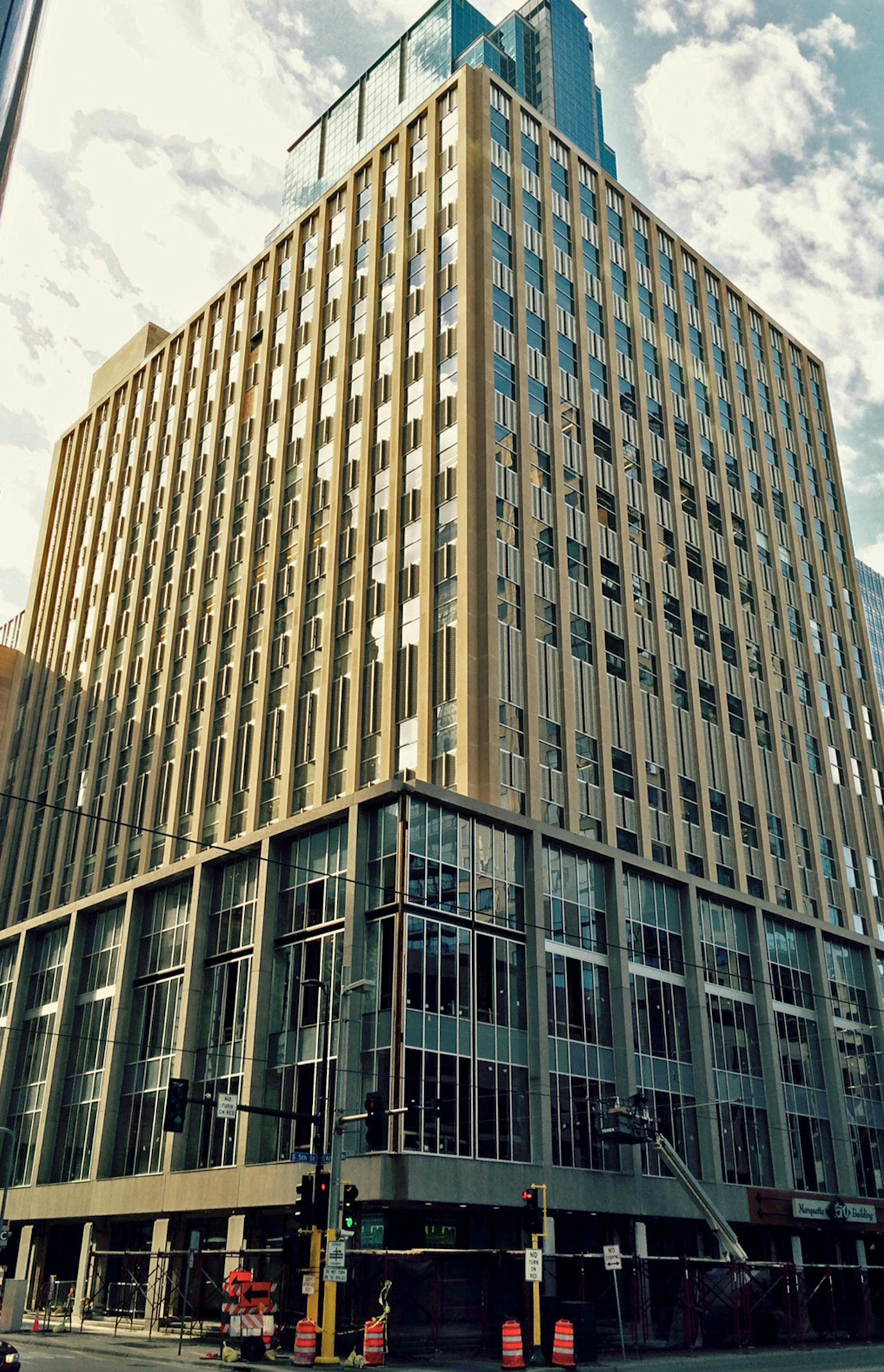
If you passed the ordinary office tower at 5th Street and Marquette Avenue S. in downtown Minneapolis recently, you may have glimpsed some ancient steel beams anchored by enormous rivets. It's not unusual — now and then a building gets stripped and its skeleton shows. They slap on a new skin and it's good for another 50 years.
But those beams were the bones of a building Minneapolis fought hard to get: the Federal Reserve. St. Paul wanted it, but when area bankers studied each town's proposal, Minneapolis won 365 votes to 93, and the Ninth District Fed was incorporated in 1914.
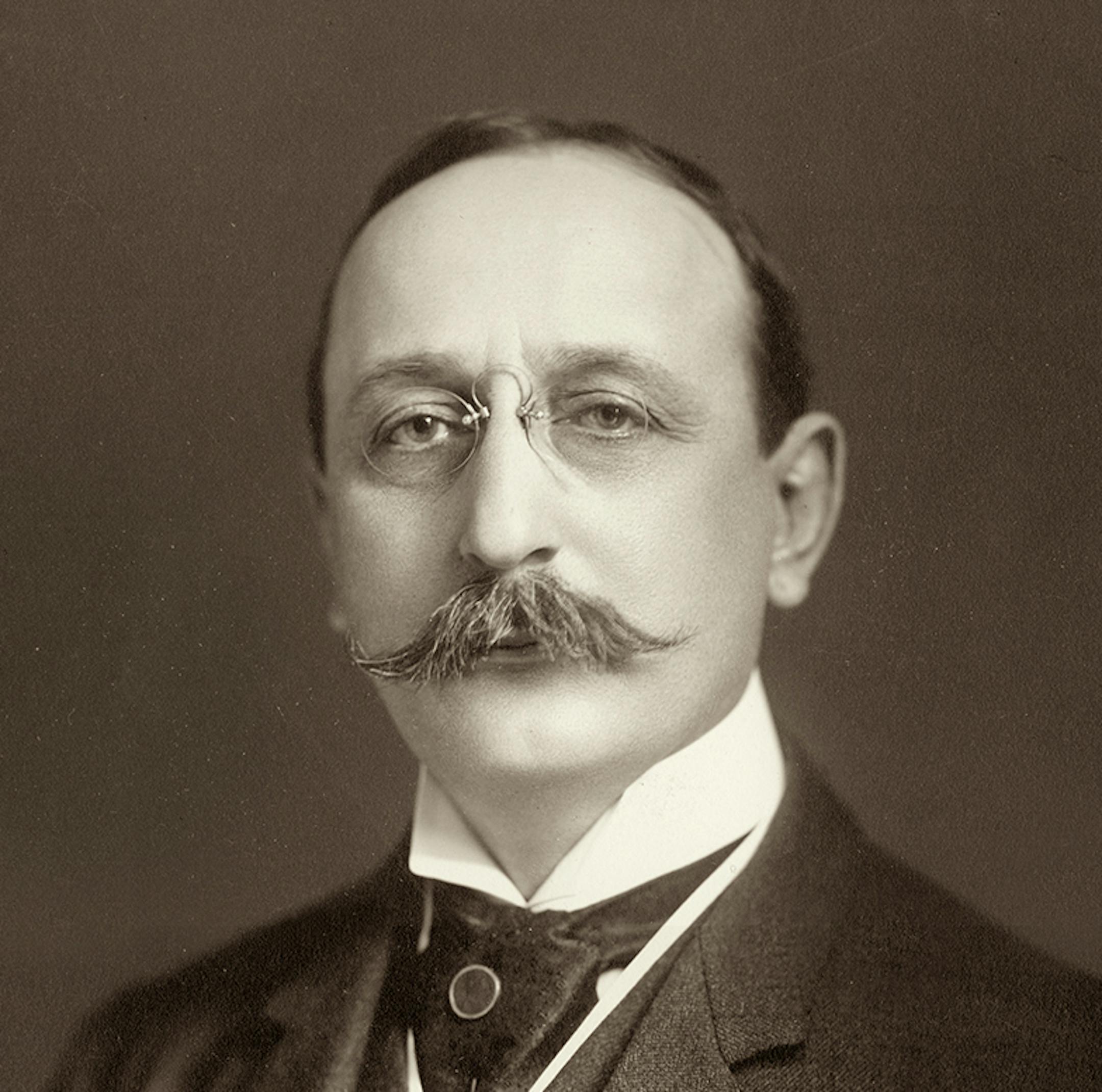
At first it was housed in offices in different buildings, including the New York Life Insurance building and the Lumber Exchange. By the start of the 1920s, a consolidated location was proposed, and who better to design the prize than Cass Gilbert? He was the great Minnesota architect who bestowed the Twin Cities with lasting gifts. The State Capitol. The great broad mall of the University of Minnesota.
You could say that each is a theatrical set for the dramas people play on their stages, and that they ennoble the participants with their historical vocabulary. You may be arguing about a petty piece of legislation or walking to class with a hangover, but the monumental style should take the slouch out of your posture, remind you that history didn't start last week. Gilbert was our great classical architect, and he left us public spaces that ennobled the city.
Except for the Federal Reserve.
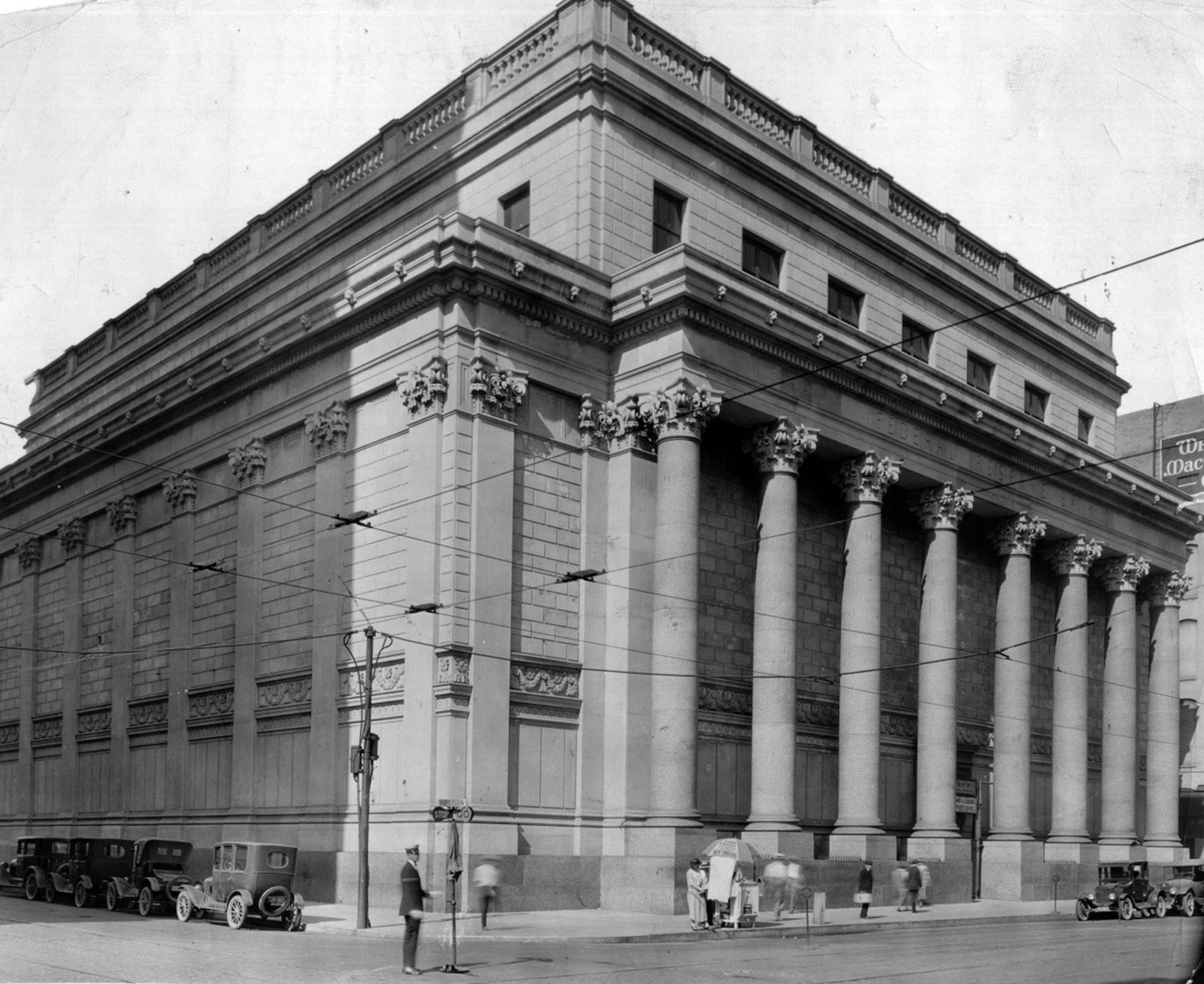
Opened in 1925, it was the meanest, haughtiest, most forbidding thing Gilbert ever did, and that was probably on purpose. When you look at old photos of its blank stone walls, you wonder if it was designed to make stupid criminals think twice about busting in with guns barking. It was impregnable. It was Gibraltar. It was the pride of Minneapolis, and it was a stone sponge that soaked up the energy of the street and glowered out a warning: Go away.
It had no windows. If you managed to batter down the front door and make it to the safe, well, good luck. The massive door to the money room extended below the floor through an ingenious system of pivoting plates and tumblers, so you couldn't roll a cylinder of gas under the gap.